

Dear COP31 Türkiye Brief Community,
Almost without noticing, we have already moved past the first month of the year. January, often associated with intention rather than momentum, marked the quiet beginning of COP31 Türkiye Brief, not through announcements or declarations, but through the deliberate work of shaping an editorial platform and a community intended to accompany the COP31 process with care and consistency.
COP31 Türkiye Brief was created as an independent editorial platform offering an open look at COP31 through Türkiye’s lens, while remaining firmly grounded in a global perspective. It brings together reporting, analysis, and expert insight to examine how international climate negotiations intersect with energy transition, public policy, finance, and implementation across regions. The publication is designed to operate before, during, and beyond COP31, recognizing that climate processes do not begin with conferences, nor do they end when they conclude.
The platform operates independently and is not officially linked to the United Nations, the COP31 event, or the Government of Türkiye. This independence serves a clear editorial purpose. It allows COP31 Türkiye Brief to create space for qualified and experienced experts whose knowledge and perspectives are essential, yet whose voices are not always directly heard within formal processes. Many of these experts work at the intersection of science, policy, finance, and implementation. Their contributions shape outcomes on the ground, even when they remain largely invisible in public debate. Bringing this expertise into view is a central ambition of the platform.
While the name reflects place and timing, the perspective of COP31 Türkiye Brief is intentionally global. It draws on international experience and cross-regional learning, recognizing that climate challenges and solutions do not respect national boundaries. Türkiye offers a vantage point, not a limit, for understanding how global negotiations resonate across different contexts.
The purpose of COP31 Türkiye Brief is grounded in a simple but demanding principle. Informed public discourse strengthens climate action. Climate change is no longer a subject of interpretation or political preference. It is a scientific reality, established through decades of research, observation, and international assessment. Rising temperatures, extreme weather events, water stress, biodiversity loss, and systemic economic risks are unfolding in real time.
For decades, the United Nations Framework Convention on Climate Change and the Conference of the Parties have provided the architecture for international cooperation. The COP process remains the backbone of global climate governance, offering a shared space for evidence, negotiation, and accountability. Yet climate outcomes are not determined by agreements alone.
What ultimately shapes success is implementation. That work unfolds across energy systems, financial markets, cities, industries, and communities. It is carried forward by engineers designing grids, financiers allocating capital, planners reshaping urban environments, and practitioners navigating constraints that rarely appear in negotiation texts. Their decisions translate ambition into reality. Ensuring that their knowledge is accurately represented, carefully contextualized, and responsibly communicated is therefore not optional. It is essential.
COP31 Türkiye Brief was created to help meet that responsibility.
Throughout January, the platform itself began to take form. Editorial structures were developed with a focus on clarity, accuracy, and continuity. Coverage was designed to respond to different needs while maintaining a shared commitment to verified information. Briefs offer curated summaries of key developments and their implications, Dispatches follow negotiations as they unfold, Voices and Community create space for expert perspective, Explainers clarify the concepts shaping the agenda, and Reports and Interviews add analytical depth and firsthand insight. Across all formats, the emphasis remains on gathering reliable information and presenting it with care.
By the end of the month, our community had grown in tangible ways. More than twenty authors have joined to the platform, bringing diverse expertise and perspective to our pages. On LinkedIn, our followership has surpassed 650, composed primarily of professionals engaged in climate, sustainability, policy, and related fields. Our website recorded over 1,000 views, a modest but encouraging sign that our effort to provide context and clarity is finding an audience.
January also marked the early formation of a community around the platform. Contributors and readers joined from climate policy, sustainability practice, academia, civil society, youth initiatives, and local governance. Growth at this stage has been intentional rather than expansive. The priority has been relevance, diversity of expertise, and a shared commitment to substance. COP31 Türkiye Brief is not built as an audience-driven channel, but as a space for informed participation.
This approach reflects a broader necessity. As the climate agenda shifts decisively from ambition to delivery, the quality of information guiding public discussion becomes increasingly consequential. Misinformation, oversimplification, and fragmented narratives weaken collective effort. Careful analysis, transparency, and open dialogue reinforce it. At a time when the stakes are high and the margins for error are narrow, the responsibility to gather, verify, and share accurate information carries real weight.
The focus on Türkiye reflects both timing and purpose. As the host country of COP31, Türkiye occupies a unique position within the global climate process. COP31 Türkiye Brief is a time-bound editorial project, accompanying this process over the course of a single year. While rooted in place, its outlook remains outward-looking, shaped by international experience and comparative insight.
Community plays a quiet but essential role in this work. Not as an alternative to formal institutions, but as a space where expertise from different disciplines can intersect, practical insights can surface, and collaboration can be grounded in evidence rather than rhetoric. A well-informed community helps connect global goals with local realities.
For those who missed some of the early conversations, here are a few pieces from January that are worth revisiting. These articles capture the editorial intention that guides us: providing clear, verifiable information, broadening perspective, and helping readers understand how global climate ideas translate into action.
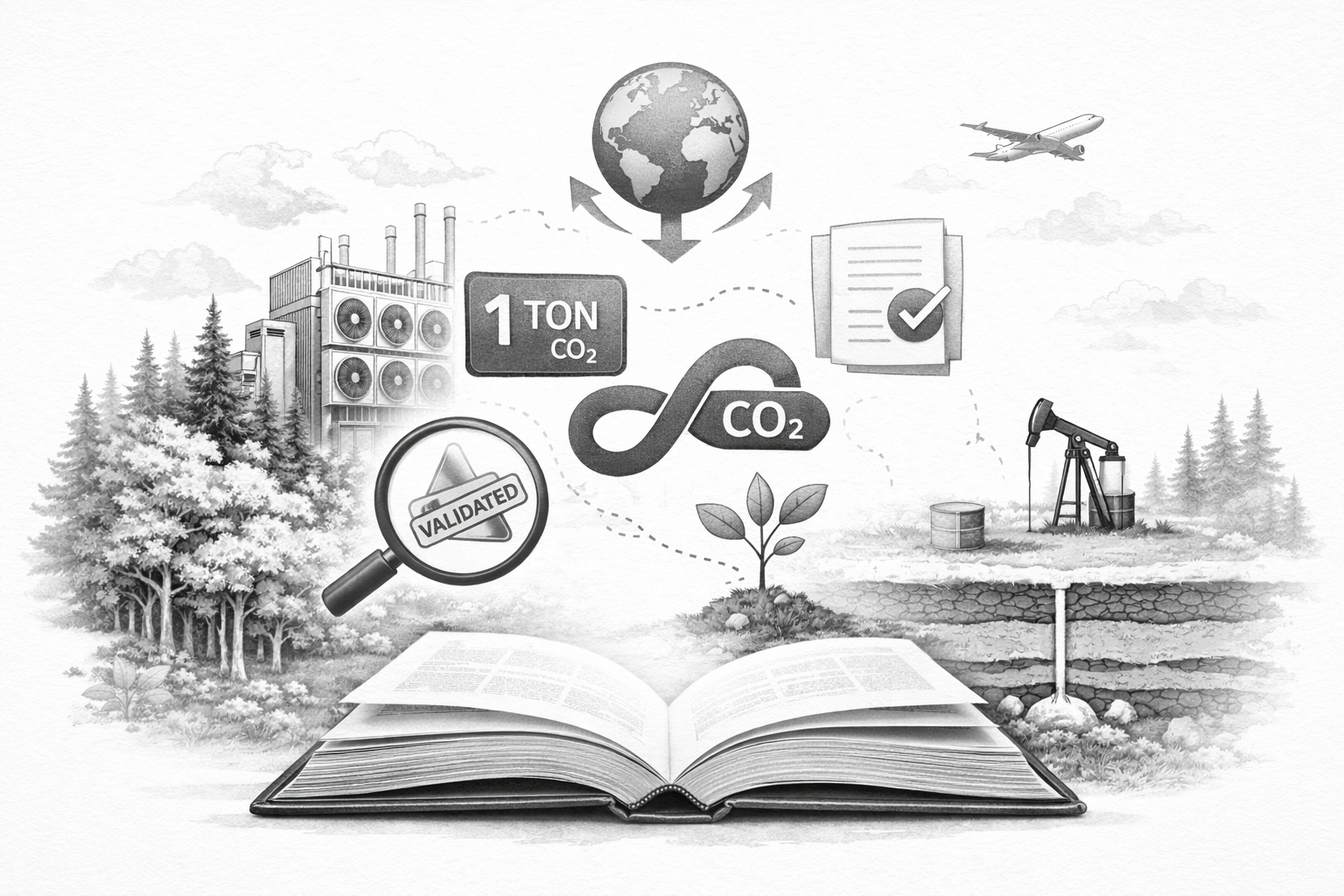
The Hidden Climate Infrastructure: A Systems View from Türkiye’s Construction Sector, by Ayşe Gizem Taş, examines how one of Türkiye’s most influential sectors sits at the center of climate risk and transition, often without sufficient public attention. In COP29: A Turning Point for Carbon Removal in Baku, Pınar Öncel reflects on how carbon removal moved from the margins toward the core of international climate discussions.
In Davos Reopens the Energy Argument, by Selen İnal, familiar tensions around energy security and transition pathways resurface, highlighting how global debates are being reshaped rather than resolved. Pathways to a Successful Climate Summit – COP31 – in Antalya, by Rahaf Ajaj, looks ahead to the year to come, considering what a credible and constructive COP31 process might require well before negotiations formally begin. And in A Major U.S. Retrenchment Just Landed on the COP31 Runway, Göker Avcı explores how shifts in U.S. positioning are already influencing expectations for the summit ahead.
Over the course of the month, we have also received numerous positive messages from readers and contributors alike. These reflections, grounded in appreciation and thoughtful engagement, have encouraged us and reinforced our conviction that we are moving in the right direction. For that, we are grateful to everyone who has read, shared, written, and signaled support.
To those who are new to our pages and to those who have been with us from the start, we extend an open invitation. If you share a commitment to informed, thoughtful climate discourse and have insights to contribute, we welcome you to join this community. COP31 Türkiye Brief is not a platform of individual voices, but of many voices, brought together to enrich the collective conversation.
This January at a Glance is also an invitation. COP31 will be a moment on the global calendar, centered in Antalya as part of the 31st United Nations Climate Change Conference in 2026. What leads up to it, the shared understanding built, and the expertise brought into the conversation will shape its impact. COP31 Türkiye Brief exists to support that process by offering context rather than slogans, amplifying expertise that is often heard too little, and contributing, in a focused and independent way, to a more informed climate conversation during a critical year for global action.
January marked the beginning. The months ahead will build upon it.