

Achieving Negative Emissions and the Role of Carbon Dioxide Removal*
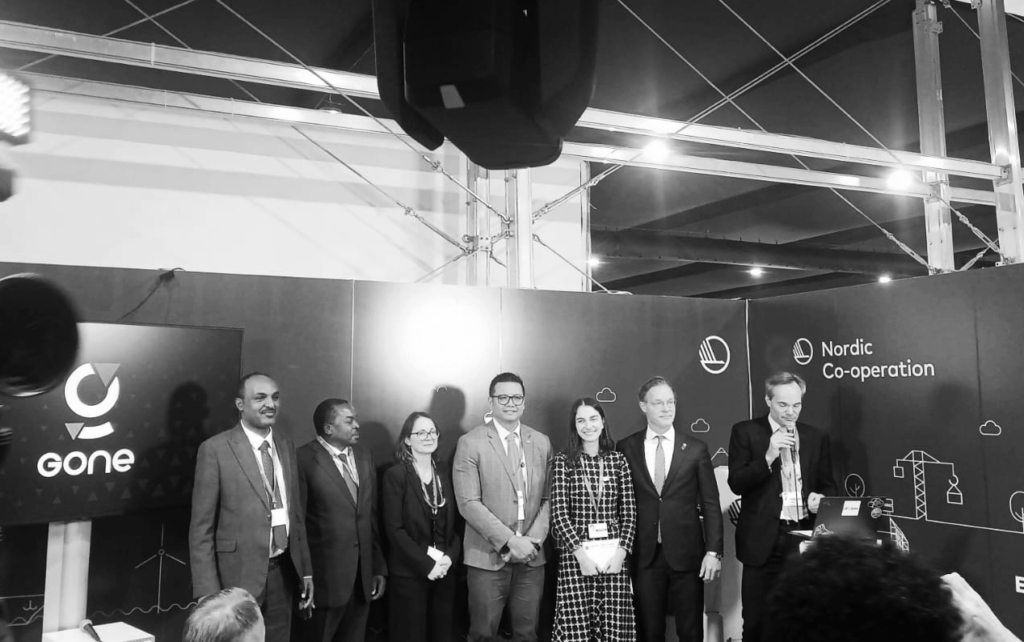
Left to right, Ethiopia, Kenya, Germany, Suriname, Sweden, Netherlands, Finland.
I traveled to Baku for COP29 with a very specific mission: to see the state of durable Carbon Dioxide Removal (CDR) within our global climate scene. I went to meet the pioneers, learn the challenges of the CDR start-ups, and see if the political will finally matches the scientific “must”. As we look toward the horizon of COP31 in Türkiye, understanding where we stand today is not just a matter of curiosity, it is a strategic necessity.
A Global Community with a Single Message
At COP29, I attended almost all the events related to CDR. I met many people and saw presentations from start-ups working on very different technologies, from a variety of engineering solutions to Marine CDR (mCDR). Many pavilions of organizations such as IETA, CRIN, Ocean, Trade and Investment House and countries like Sweden, Canada, Denmark, Nordic pavilion and Israel hosted sessions about CDR.
The goal of this community in Baku was very clear: Emission reductions and carbon removals are both required to reach net-zero targets. We must convince policymakers that CDR is not just an “extra” option. It was also discussed why it is important to have independent targets for CDR, separate from emission reductions and why “durable” (long-term) CDR is the key to real impact.
Breakthrough: Article 6.4
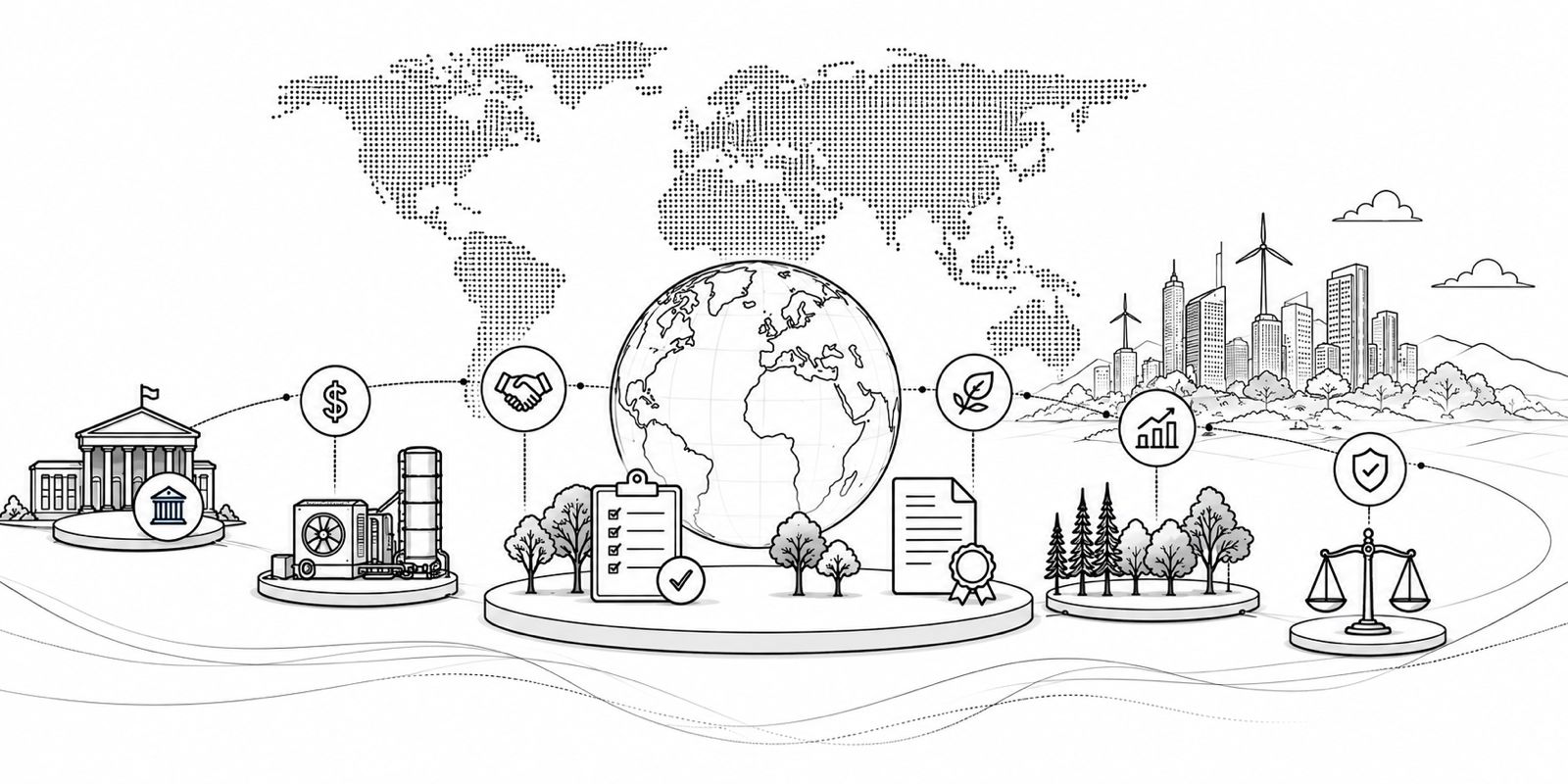
One of the most important things that happened in Baku was the progress on Article 6.4. After many years of waiting, countries finally agreed on the rules for this global carbon market. For the CDR world, this is a big step because it creates a formal UN system for certifying and trading removal credits. This should give investors more confidence and help countries create new revenue streams from their removal projects.
The Discussion on “Double Claiming”
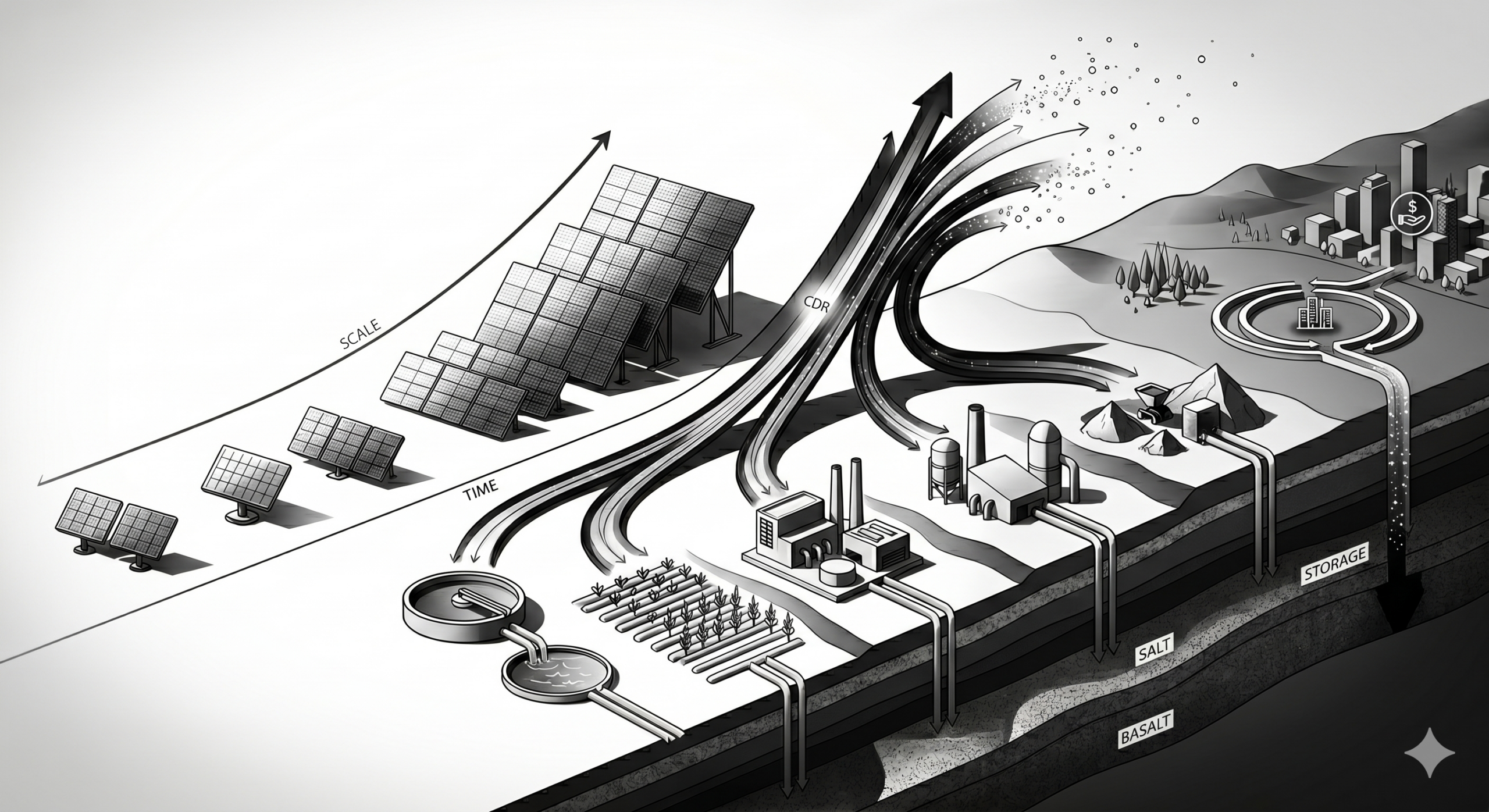
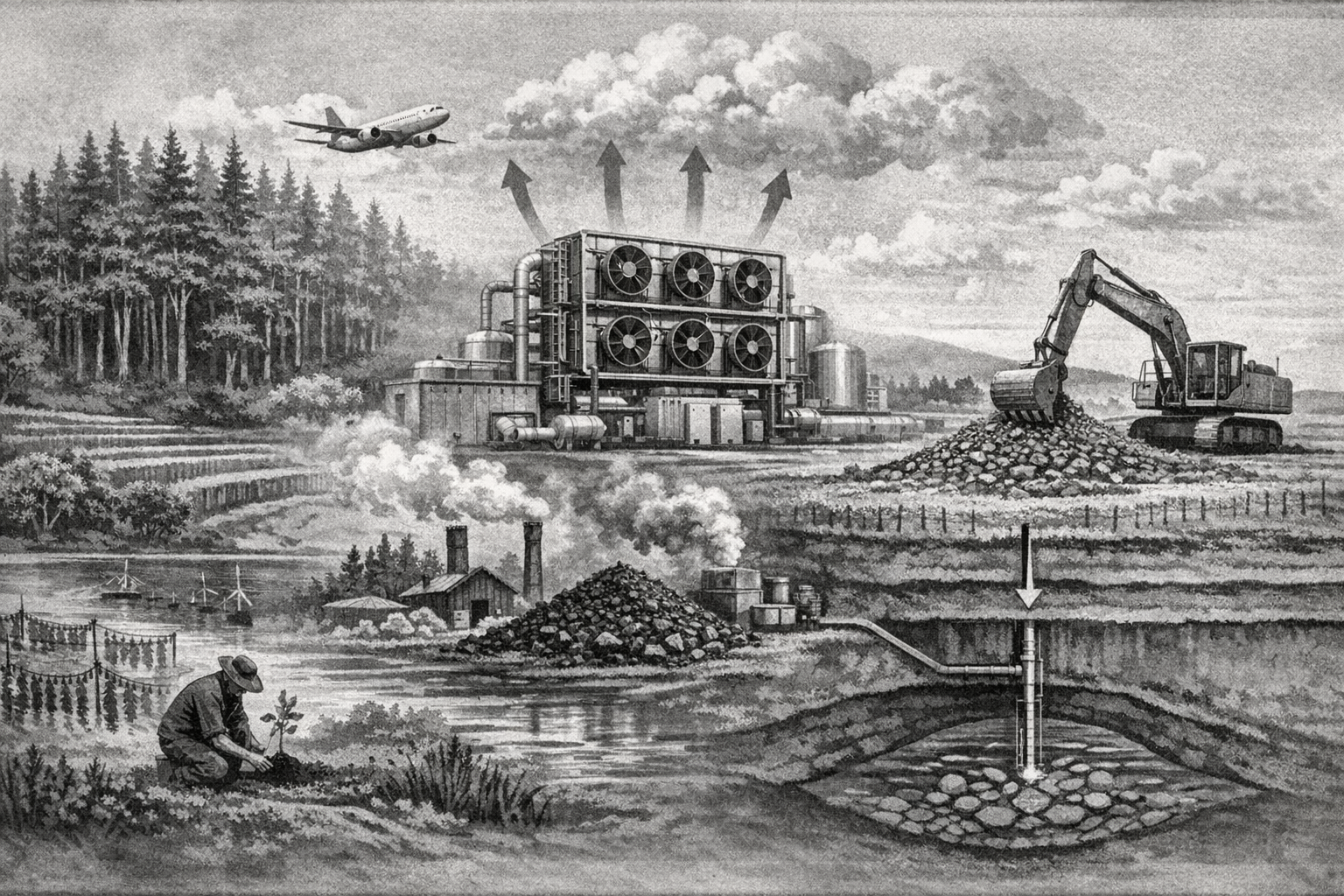
An interesting point I heard during the sessions was about double claiming; I particularly remember a discussion involving experts from platforms like Puro.earth. For durable CDR, which is very expensive today, some suggest that both a country and a company could count the removal toward their targets. The argument is that if both a country and a company can count a removal toward their respective goals, it lowers the financial barrier for expensive, high-permanence technologies like DAC (Direct Air Capture), Biochar or Enhanced Rock Weathering.
Usually, the carbon market tries to avoid this and be very strict. However, the idea here is that these new technologies need a “double incentive” to grow. While complex and controversial in a traditional carbon market sense, it highlights the desperate need for “investment enablers” to scale these technologies before 2030.
From Baku to the CDR Pavilion in Belém
While I was in Baku, the idea of a dedicated space for CDR at the next COP was already being discussed. The idea was realized at COP30 in Belém with the first CDR Pavilion “CDR30 Pavillion”, organized and hosted by the Negative Emissions Platform (NEP). Seeing this pavilion become a reality confirms that CDR is now a central part of the global climate agenda.
Moving Beyond Offsetting
I like approaches that move beyond offsets, showing companies different ways to act. The Contribution Claim Model developed by the Wuppertal Institute is an example that was presented in Baku. Instead of buying a credit to “offset” their own footprint, companies make a financial contribution to help the world reach global climate goals. They do not claim to be “net-zero” themselves. This approach is more transparent and avoids the quality issues that often come with traditional carbon offsetting.
Beyond Value Chain Mitigation (BVCM) by SBTi is another approach which encourages companies to fund climate action outside their own operations. In the latest Corporate Net-Zero Standard (Version 2.0), which is expected to be finalized in 2026, this concept is evolving into a more structured “Ongoing Emissions Responsibility” framework.
This new framework is significant for CDR because it moves removals from being a “final step” to an “ongoing duty.” Under these rules, large companies are encouraged to start taking responsibility for their current emissions now by funding high-quality removals. For example, the draft proposes that by 2035, companies should already be matching a portion of their residual emissions with durable CDR. This ensures that by the time a company reaches its final net-zero date, the durable CDR market is already mature and ready to handle the final neutralization of all residual emissions.
Looking Forward
I left Baku feeling grateful, despite all frustrations and obstacles experienced and expressed by many people. I felt a real sense of common purpose among scientists and entrepreneurs working on durable CDR. From a more general perspective, I found the level of awareness impressive; even at finance events, people talking about systemic change in an informed way was surprising.
The science is now undeniable: even to meet the “well below 2°C” goal of the Paris Agreement, emission reductions alone will not be enough. Durable CDR is an essential tool to address the “residual” emissions from sectors that are hardest to decarbonize and, eventually, to begin cleaning up the historic carbon already in our atmosphere. Recent research has put our situation into sharp focus: a major 2023 study in Science, Toward a Cenozoic history of atmospheric CO2, reveals that current CO2 concentrations are now at levels not seen on Earth for 14 million years.
CDR is no longer a luxury; it is a fundamental pillar of climate survival that must be scaled up alongside our rapid work to phase out fossil fuels. For Türkiye and the international community, the path is becoming clearer. We are moving from talking about “if” we need these novel CDR technologies to figuring out the complex rules of how to actually incentivize and enable them. This journey will take us directly to COP31 in Antalya, where Türkiye will step into a leadership role.
The establishment of a dedicated CDR Pavilion at COP31 will be more than just a space for meetings; it will be a bridge. In Antalya, we have the opportunity to connect the high-tech innovations of the West with the emerging markets and climate needs of the Global South. By hosting these critical discussions on our own soil, Türkiye can help the emerging high-integrity removal market and ensure that the “Antalya legacy” is one of turning scientific necessity into global, industrial reality.
* The Group of Negative Emitters (GONE) brought together policymakers to discuss the need for negative emissions and carbon dioxide removal, and global cooperation on these issues. The event featured the announcement of members of the alliance, followed by panels with Ministers and high-level representatives, highlighting perspectives on the need for global net-negative emissions and how to achieve them, including the challenges involved. Organizers – Danish Ministry of Climate, Energy and Utilities & the Group of Negative Emitters (GONE)