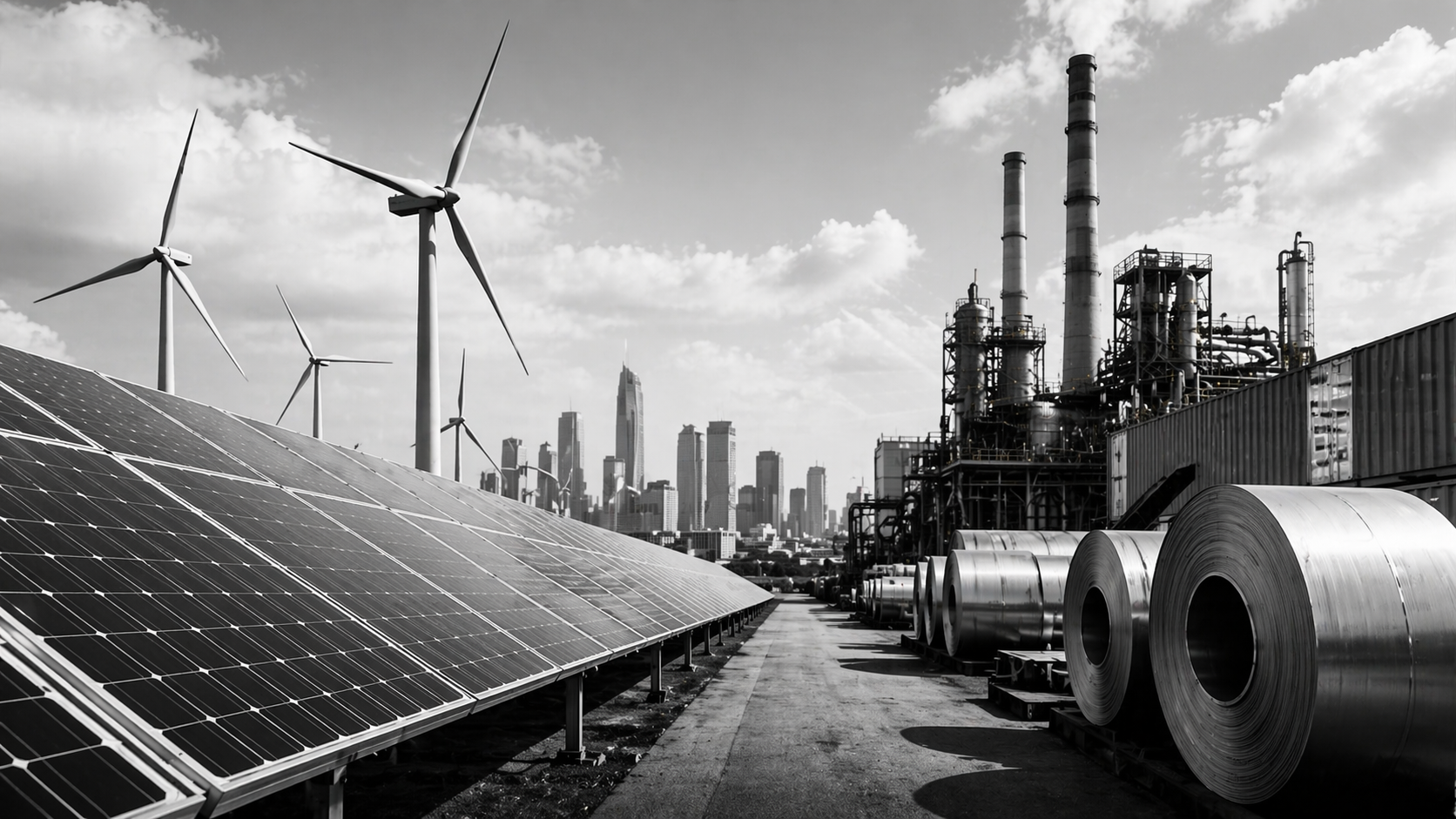

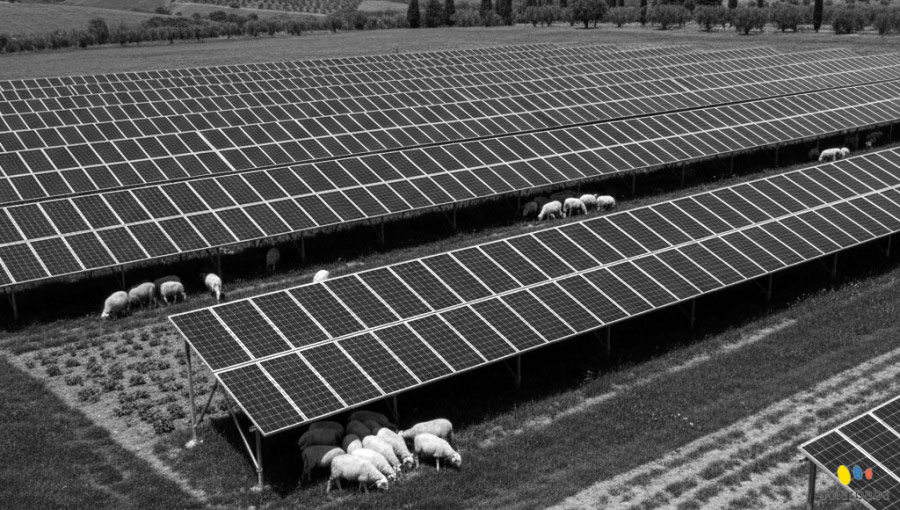

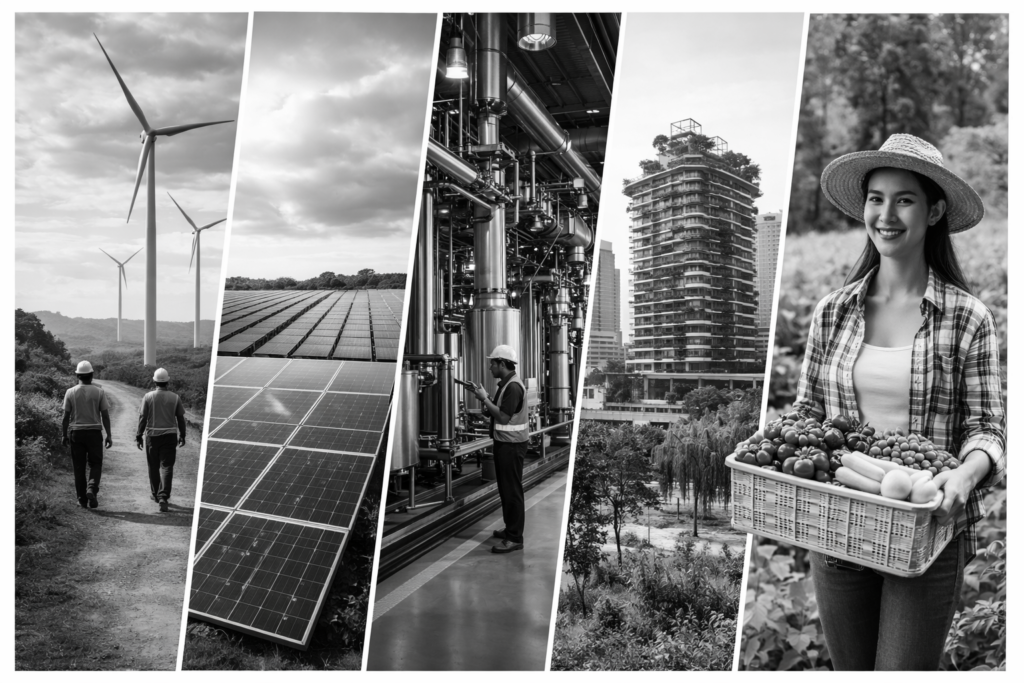
Southeast Asia has spent the past decade doing what fast-growing regions are supposed to do: expanding, industrializing and lifting millions out of poverty. But according to the Asian Development Bank’s new report “Advancing the Green Economy Transition in ASEAN“, that success has also come with a mounting ecological bill. ASEAN economies grew at an average annual rate of 4.7 percent from 2010 to 2024, even as carbon emissions, resource depletion and biodiversity loss intensified across the region. The report’s argument is not subtle: the old growth model is running into environmental limits, and the transition to a green economy is no longer optional.
The promise, the bank says, is large enough to change the political equation. By 2030, a greener regional economy could generate as much as $1 trillion a year through sectors such as renewable energy, sustainable agriculture and green infrastructure. But the report is careful not to present this as a single policy pivot. It describes the transition as a layered process, unfolding through regulation, investment, technology adoption, shifts in trade and, increasingly, private-sector action even where policy remains incomplete.
What makes the report especially useful is its insistence on differentiation. ASEAN is not one economy but several development stories moving at different speeds. Brunei Darussalam, Malaysia and Singapore are framed as advanced economies that must decarbonize through finance and technology. Indonesia, the Philippines, Thailand and Viet Nam are cast as rapidly developing countries that need to reconcile industrial expansion with cleaner infrastructure and ecosystem protection. Cambodia, the Lao PDR and Myanmar, by contrast, are presented as having a rare chance to leapfrog directly into lower-carbon growth paths.
The report also pushes past rhetoric into measurement. It notes that ASEAN still lacks a common framework for tracking green economy progress, with major gaps in data availability, valuation methods and monitoring systems. Yet some signals are already visible. The region’s trade in environmental goods rose from an average of $15 billion, or 2 percent of total trade, in 2000–2002 to $107 billion, or 3 percent, in 2020–2022. At the same time, green GDP estimates suggest that natural resource depletion has become the dominant environmental cost across the region, rising from 40 percent of total environmental costs in the 1970s to 66 percent in the 2011–2022 average.
Its most striking conclusion comes from the modeling. Under a scenario in which ASEAN countries pursue their current climate pledges alone, some of the region’s rapidly developing economies face output losses as industries absorb the cost of transition. But when climate policy is paired with productivity gains in green sectors, those losses shrink and, in some cases, reverse. The report finds stronger export performance, better energy efficiency and steep emissions cuts under the more ambitious scenario, with ASEAN’s rapidly developing and developing economies reducing emissions by more than 40 percent relative to business as usual, and advanced economies by nearly 34 percent.
The social case is just as central. Roughly 37 percent of jobs in ASEAN are tied directly to ecosystem services and natural resources, including more than 100 million workers in farming, fishing, forestry and nature-based tourism. That means environmental deterioration is not just a climate problem. It is a labor-market problem. The report argues that green investment can create millions of jobs, but only if governments take seriously the mechanics of a just transition: retraining, social protection and policies that help workers move from declining sectors into emerging ones.
On policy, the region looks committed but uneven. All ASEAN countries have quantified climate targets in their nationally determined contributions. Malaysia, Singapore and Viet Nam target net zero by 2050; Indonesia aims for 2060; Thailand for 2065; and the Philippines has no formal net-zero year, though it has pledged ambitious conditional emissions reductions. Most countries have renewable energy targets and feed-in tariffs, and all offer electric vehicle incentives. But only Singapore has implemented a carbon tax so far, while fossil-fuel subsidies continue to undercut decarbonization efforts in several economies.
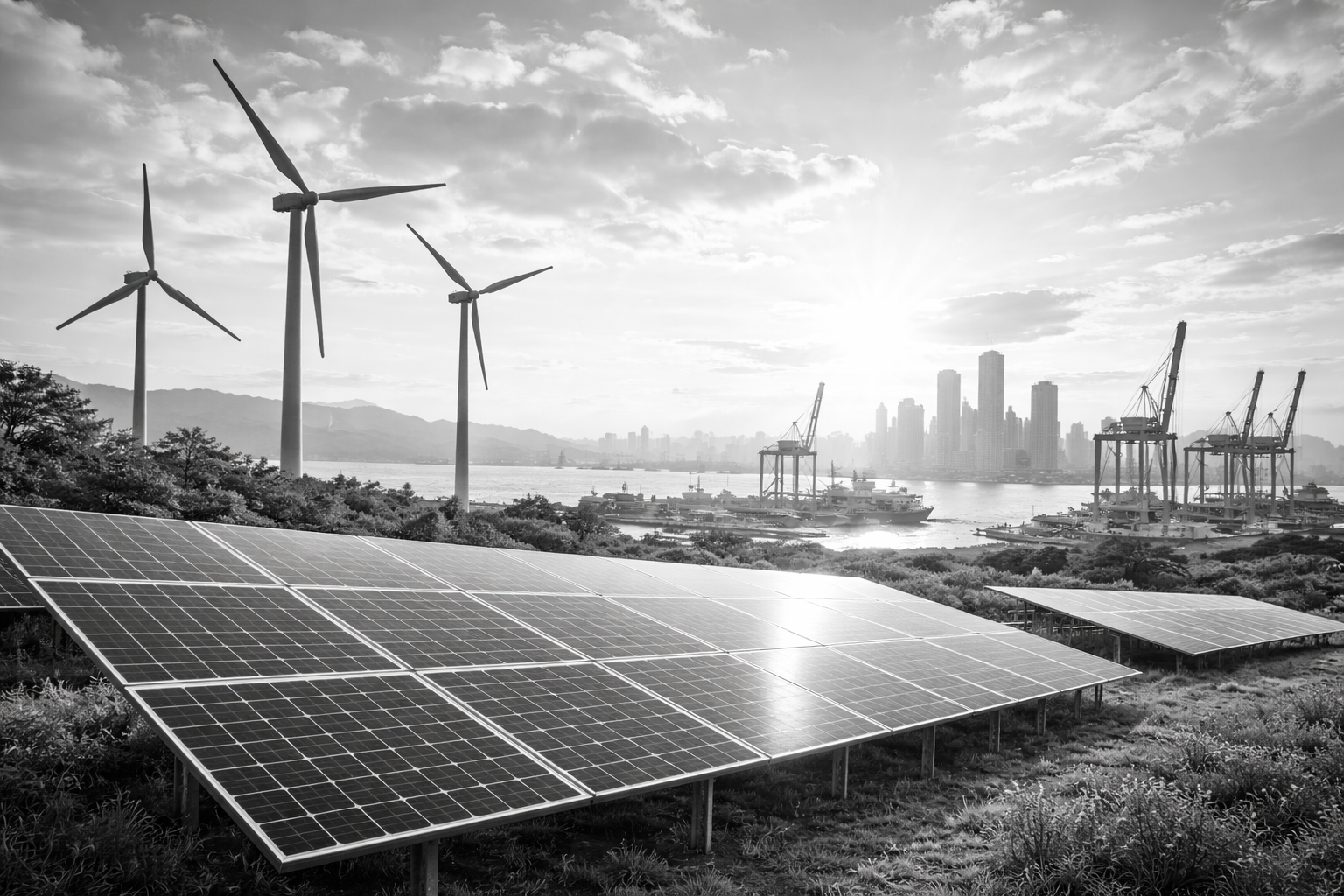
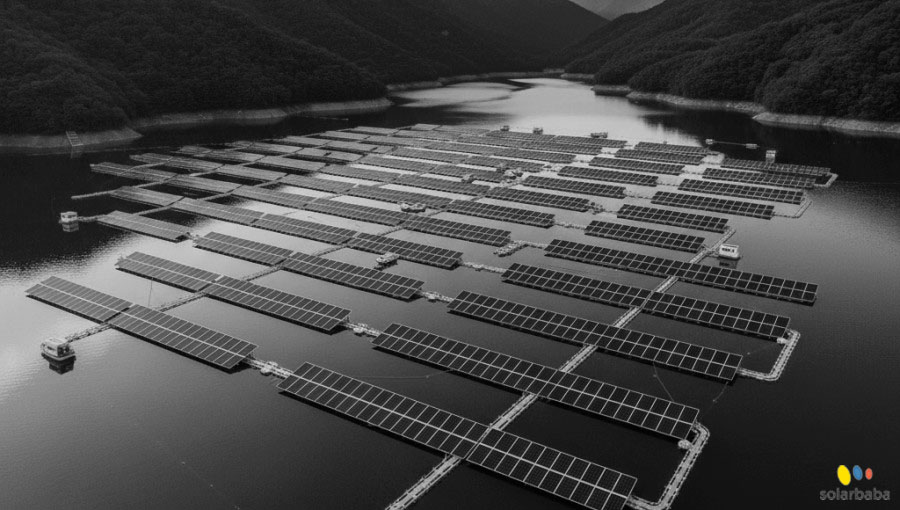
The private sector, the report argues, will determine whether the transition remains aspirational or becomes investable. It identifies major opportunities in solar photovoltaic, clean technology, critical minerals, electric vehicle manufacturing, charging infrastructure, sustainable agriculture, agri-tech, energy efficiency and green construction. But it also makes clear why progress has been slower than the headlines suggest: financing remains expensive, business cases are often unclear, and smaller firms and climate-tech start-ups face steep capital and credibility barriers.
The deeper message of the report is that ASEAN still has agency. It is vulnerable to climate shocks, and one study cited in the report suggests the region could lose more than 35 percent of GDP by 2050 from climate impacts if risks are left unmanaged. But it is also rich in renewable energy resources, industrial potential and regional leverage. The choice, as the report sees it, is not between growth and climate action. It is between a development model that grows dirtier and more fragile, and one that grows cleaner and more resilient.