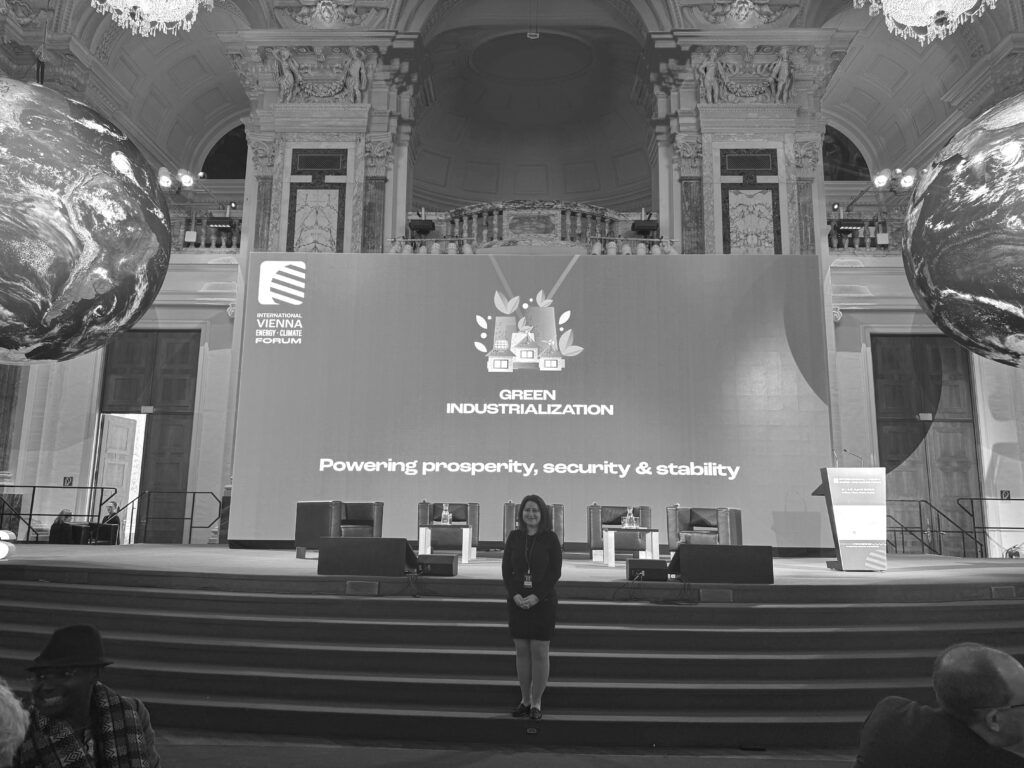
Vienna can sometimes feel like a city of memory. But at the International Vienna Energy and Climate Forum 2026, it felt unmistakably like a city of momentum.
I arrived at IVECF at a time when the global mood around climate, energy and multilateralism has become noticeably heavier. Over the past one to two years, the world has been shaped by fragmentation, insecurity, financial strain and growing political hesitation. That reality was not absent in Vienna. In fact, it was one of the Forum’s starting points. Under the broader message of prosperity, security and stability, and with the Forum co-organized by UNIDO, the Federal Ministry for European and International Affairs of Austria, the Austrian Development Agency, and IIASA, IVECF brought together a community determined to frame energy transition, green industrialization and climate resilience not as separate tracks, but as deeply interconnected priorities.
And yet, what stayed with me most was not the weight of that context, but the determination of the people in the room.
Despite everything unfolding globally, the atmosphere at IVECF was strikingly constructive. The motivation of this dedicated group created a rare sense of positive inspiration: not abstract optimism, but grounded conviction. It was the kind of energy that comes from people who understand the scale of the challenge and still choose to work on solutions. Across the Forum, the message was clear: green transformation is not a side agenda for calmer times. It is part of the answer to instability itself.
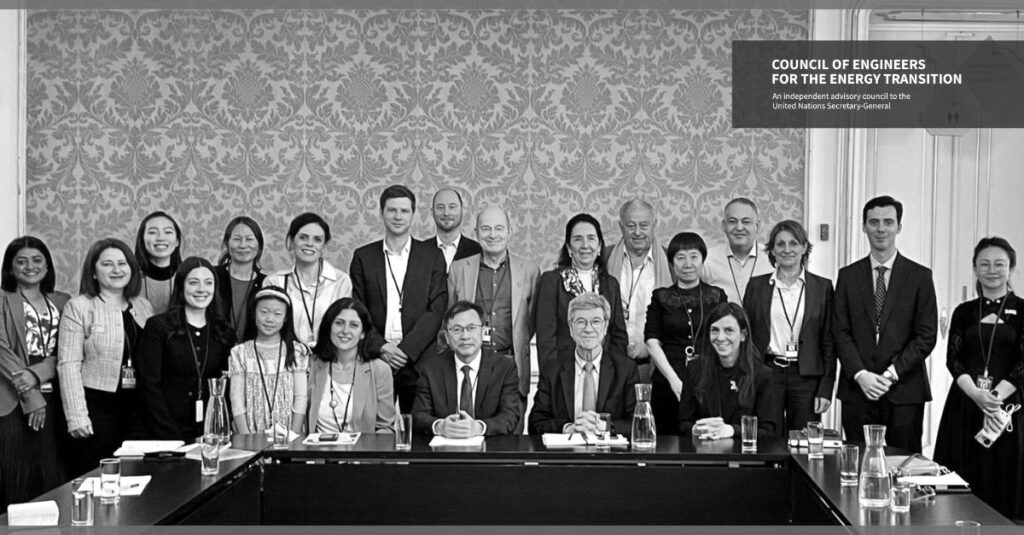
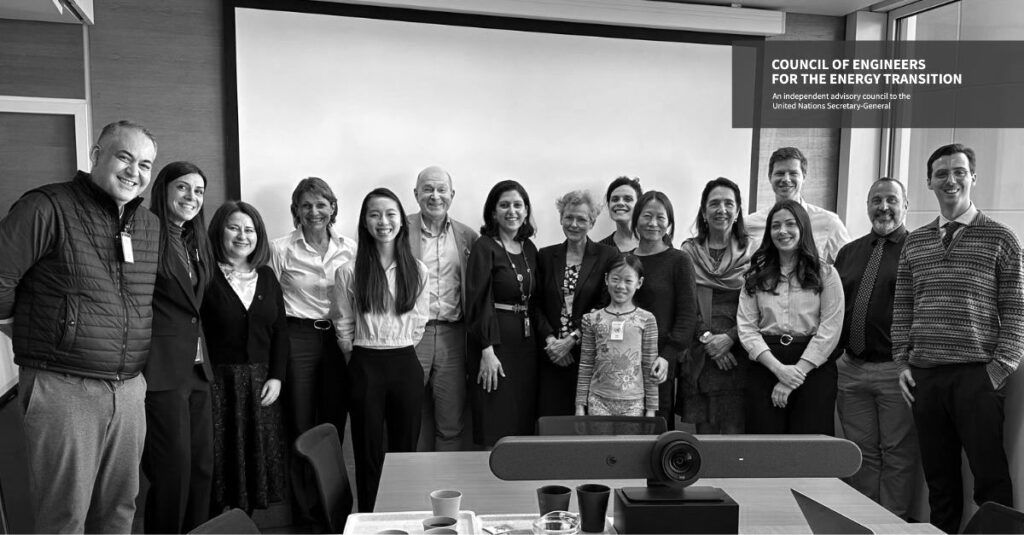
My own agenda in Vienna reflected that same spirit of delivery. Before the Forum sessions, I joined the April meeting of the Council of Engineers for the Energy Transition (CEET) at UNIDO Headquarters, where Council members gathered in hybrid format to discuss how to deepen CEET’s impact across the UN system and strengthen regional collaboration, including work linked to ASEAN and Central Africa. For me, that discussion was especially meaningful, not least because Small Island Developing States (SIDS) and Association of Southeast Asian Nations (ASEAN)-linked areas are becoming increasingly important in my own focus for the coming months.
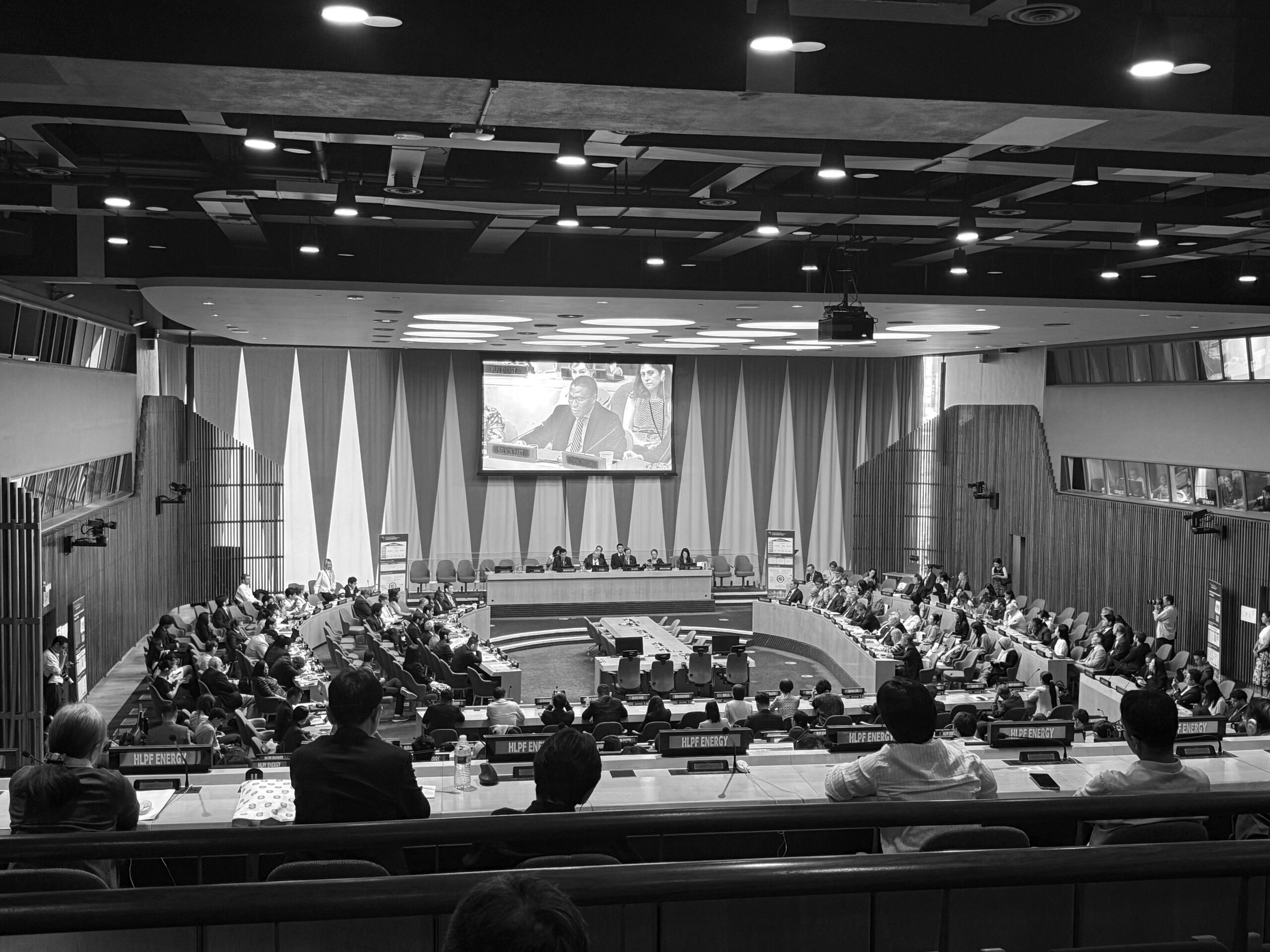
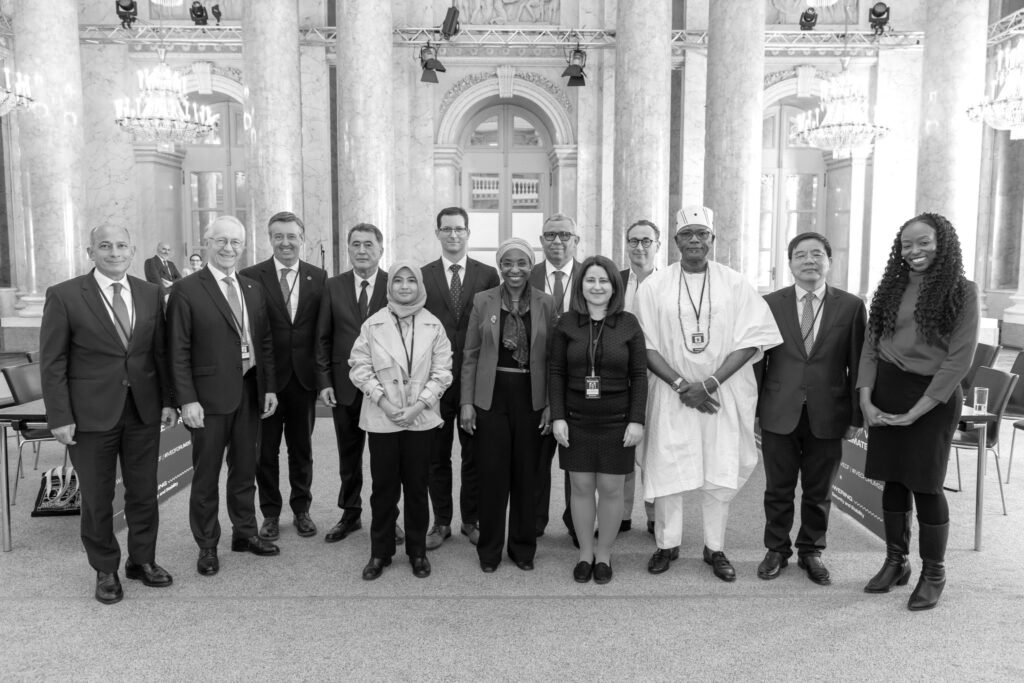
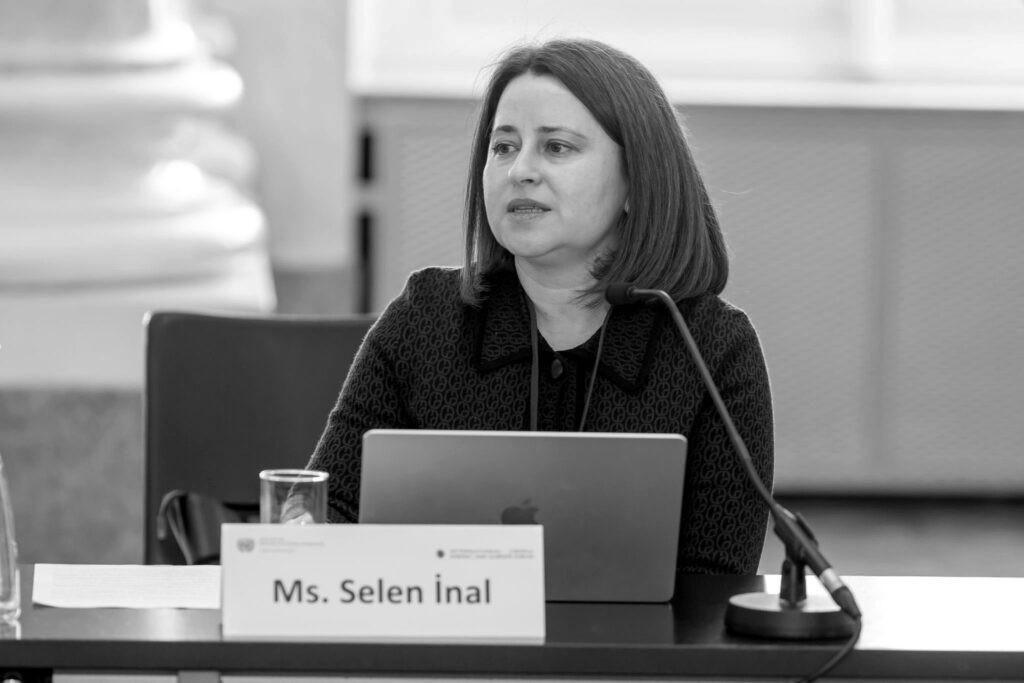
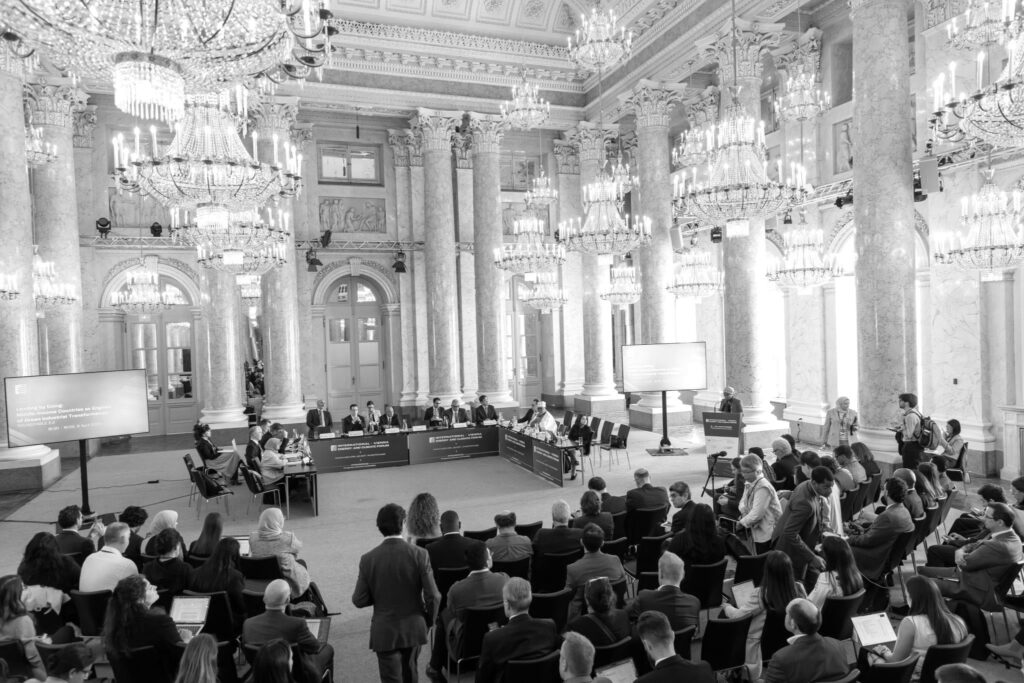
At IVECF itself, I spoke on 9 April in Roundtable 2.2, “Leading by Doing: Middle-Income Countries as Engines of Green Industrial Transformation,” held at the Hofburg Palace. The session was designed not as a presentation-heavy panel, but as an interactive, high-level exchange focused on real-world delivery challenges, financing gaps and scalable solutions.
I took part in the innovation segment of the roundtable, where the guiding questions asked what kinds of innovative approaches have proven most effective in middle-income countries and which of them could be replicated or adapted elsewhere. My intervention centered on a point I believe even more strongly after Vienna: in middle-income countries, innovation is rarely about technology alone. More often, it is about the architecture that allows progress to scale, including business models, institutions, financing structures, partnerships and implementation capacity.
I was also encouraged by the substance of the roundtable outcomes. The session note made clear that the discussion would feed into the IVECF 2026 Outcome Report and follow-up processes, including a publication on how middle-income country practices can inform wider global application. It also pointed toward a practical call to action: building a Decarbonization Practitioners Network and fostering South-South and triangular cooperation among middle-income countries, least developed countries, landlocked developing countries and higher-income economies.
That point connected closely with the wider tone and outcomes of the Forum. Again and again, discussions returned to implementation. The emphasis was not on producing more pilots or better slogans, but on building bankable project pipelines, aligning finance with industrial policy, and ensuring that the transition creates local value, jobs and resilience. What I found especially encouraging was that this was not framed as a distant aspiration. It was discussed as practical work already underway, with all its complexity, trade-offs and urgency.
Another powerful message from the Forum was that green industrialization is becoming a delivery agenda, not merely a vision statement. IVECF’s structure itself reflected that shift, with one track focused on the global political dialogue and another on country and regional implementation, practical learning and partnerships. The emphasis on Least Developed Countries (LDCs), Landlocked Developing Countries (LLDCs), Small Island Developing States (SIDS), emerging economies and crisis contexts reinforced that this was not a conversation about abstract transition pathways, but about how different parts of the world can move with agency and dignity through different starting points. That framing stayed with me, especially as I think ahead to the areas that will require deeper engagement in the months ahead.
This is why the positivity I felt in Vienna mattered. It was not naïve. It was not detached from the political and economic headwinds around us. It came from seriousness. From people who are still committed to multilateral cooperation, still working to connect policy with implementation, and still making space for innovation, youth, inclusion and regional learning. In that sense, the Forum’s message was not simply hopeful. It was disciplined: progress is still possible, but only if we build it deliberately, collectively and at scale.
So my main impression from IVECF is this: green positivity is still alive. But it has matured. It is no longer optimism for optimism’s sake. It is grounded in action, shaped by today’s geopolitical and economic realities, and carried forward by people who continue to build despite them.
And in Vienna, that felt real.