
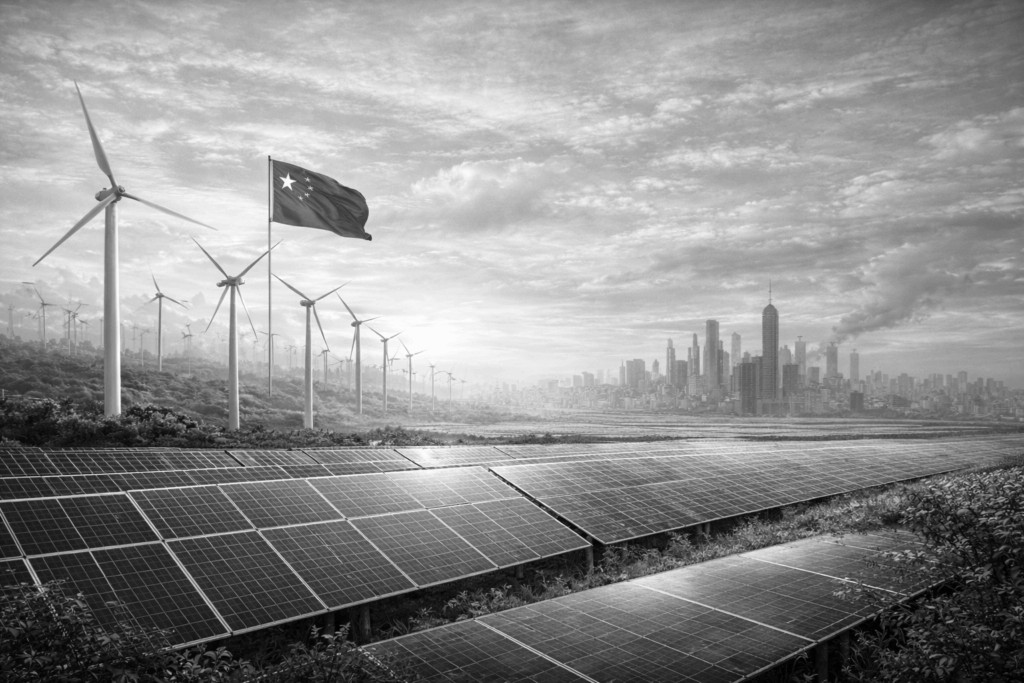
In 2025, China delivered a historic expansion of green power infrastructure that will shape global energy and climate discussions in advance of COP31.
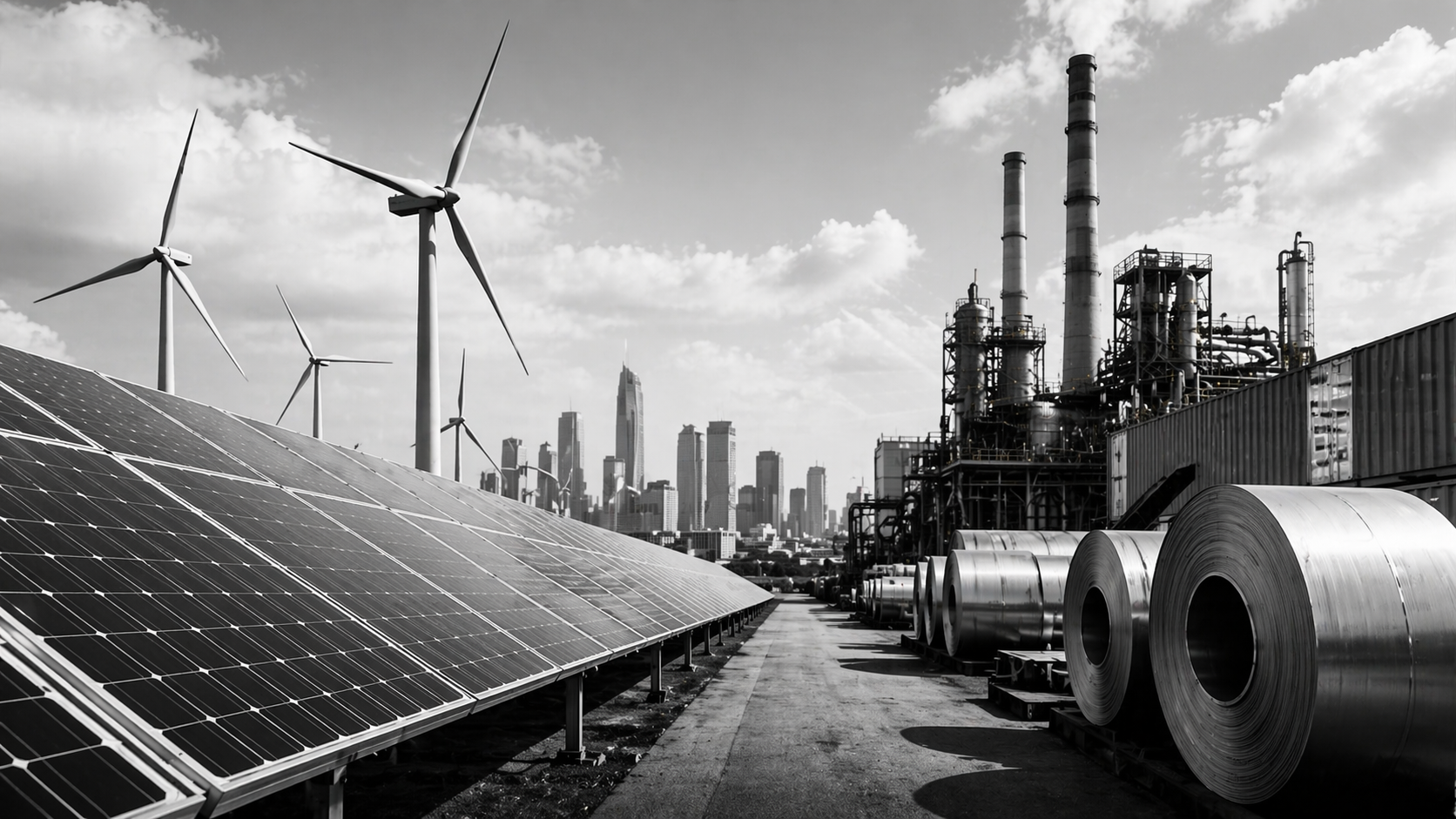
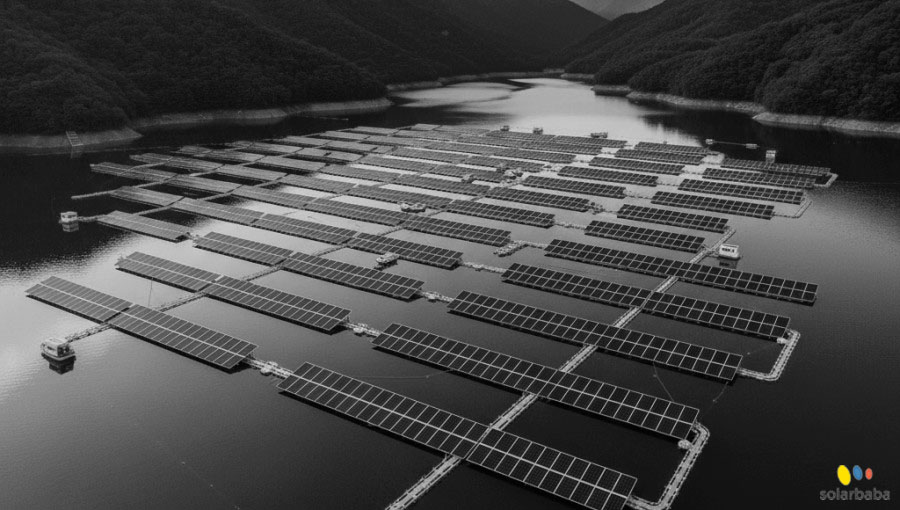
According to official statistics from China’s National Energy Administration released in January 2026, China added 315 GW of solar capacity and 119 GW of wind capacity in 2025 — both annual records. These additions were part of a total 543 GW of new power capacity from all energy sources, including renewables and fossil fuels.
By year-end, China’s cumulative installed PV capacity stood at about 1.20 TW, while wind reached around 0.64 TW, and combined solar + wind accounted for nearly half of the country’s total power capacity. Including hydropower and nuclear pushed non-fossil generators above 60 % of total installed capacity — a historic crossover.
This pace underscores a structural shift in China’s energy mix: renewables are now far more central to capacity growth than in past decades, even as fossil capacity continues to be added.
How China’s 2025 Compares Globally
China’s 2025 totals stand in sharp contrast to what we can confidently say about other large markets with public data:
India: In 2025 India added about 48 GW of new renewable capacity, including large hydropower — with around 45 GW from non-hydro renewables. This marked a record year for the country’s clean energy deployment, driven mainly by solar and wind.
United States: Reliable national figures for total U.S. renewable additions in 2025 are not yet consolidated, but renewables accounted for the majority of new generating capacity through at least September 2025, with solar in particular growing strongly. Between January and September 2025, wind and solar represented about 88 % of new U.S. capacity additions tracked by FERC.
European Union: Latest available IEA data suggests the EU continues robust renewables deployment, building on strong performance in 2024 (which saw more than 70 GW added), but definitive 2025 totals by country or region remain pending.
Global context: The International Energy Agency’s Renewables 2025 report projects that clean power capacity will continue expanding rapidly through 2030, with solar and wind dominating additions. While the IEA’s data sets focus on multi-year trends rather than precise 2025 country totals, they show the world entering a decade of strong clean growth.
What This Means for Global Climate Action
China’s performance in 2025 is notable not just for scale, but for the concentration of global renewable deployment it represents. Independent analysis shows China accounted for a majority share of global solar and wind installations in the first half of 2025, at times doubling the rest of the world combined.
Yet the picture is nuanced. China’s total new power capacity also included significant additions of coal and gas, highlighting the complexity of its energy transition even as clean capacity surges.
For COP31 negotiators, these developments underline two realities:
- Rapid clean energy build-out at scale is feasible and already underway in the world’s largest emitter.
- That transition must be paired with broader and faster deployment in other major markets, alongside accelerated fossil phase-down, if global climate goals are to remain within reach.
In conclusion, China’s 2025 renewable achievements demonstrate that large-scale clean energy deployment is feasible — but sustaining this momentum globally, with equitable ambition and rapid fossil phase-down, will be essential to meeting the world’s climate goals.