

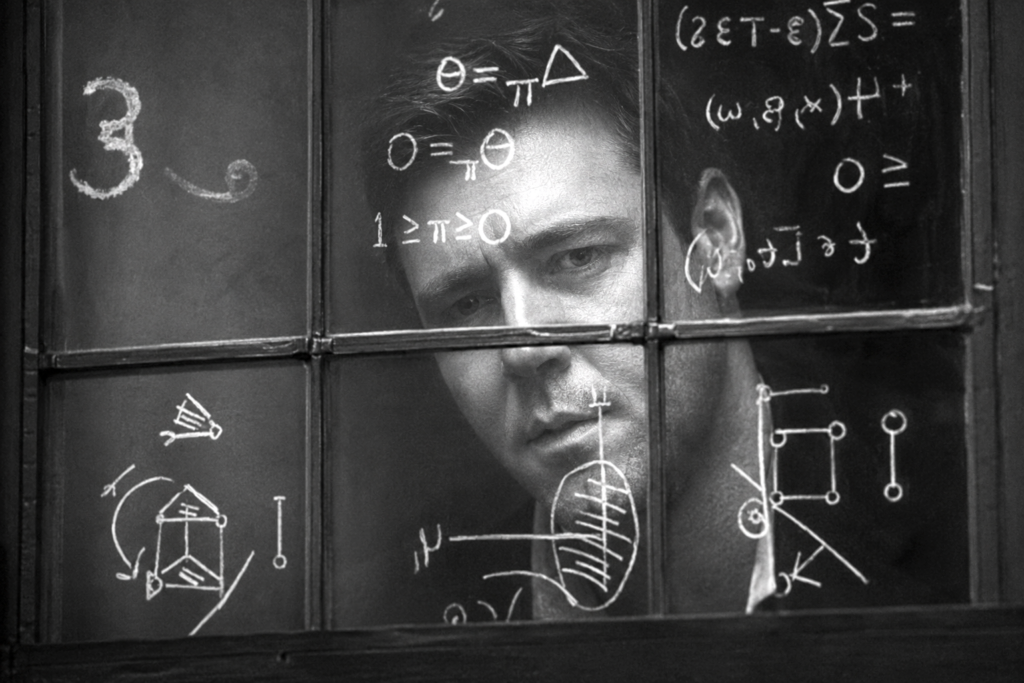
There’s a scene in the movie A Beautiful Mind I keep coming back to — and I’d recommend you watch it first here.
Four students in a bar. A group of women walks in. Every one of the men wants the same prize, and the conventional wisdom of the day — Adam Smith, father of modern economics — says: every man for himself, individual ambition serves the common good.
Then John Nash freezes mid-thought and says: incomplete.
If we all go for the blonde, we block each other. Nobody wins. The best result comes from everyone in the group doing what’s best for himself — and the group.
Hollywood compressed years of mathematics into ninety seconds. But I haven’t found a better ninety-second explanation of why climate negotiations keep stalling — or what it will take for COP31 in Antalya to succeed.
Swap the bar for a negotiation hall
Replace the students with the nearly 200 nations that will gather in Antalya this November 2026. Replace the prize with what every government actually wants: growth, energy security, jobs, stability.
The Adam Smith play is the one we ran for decades. Every country chases its own short-term interest — burn the cheapest fuel available, grow first, let someone else cut emissions. Pure self-interest, fully rational at the individual level.
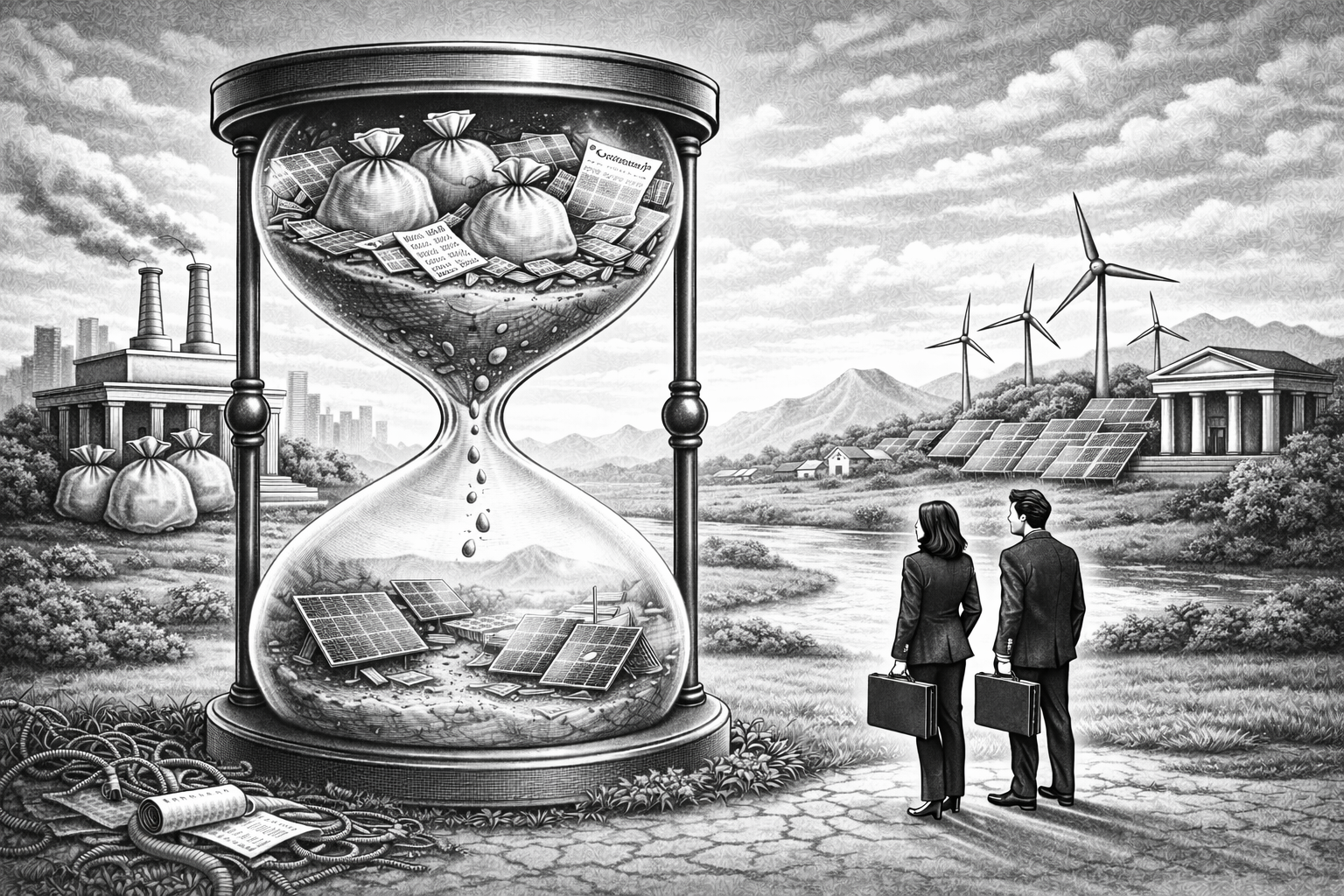
And it produces exactly what Nash predicted: we block each other. The atmosphere is shared. If everyone defects, everyone loses — droughts, floods, supply chain shocks, and energy systems built for a climate that no longer exists. Nobody gets the prize. The prize being a planet that stays well below 2°C of warming by the end of the century, and as close to 1.5°C as we can manage.
But here’s the part people miss: the opposite play fails too. No government will decarbonize purely for the sake of the group. Climate altruism doesn’t survive an election cycle. A strategy built on countries sacrificing their own interests collapses the moment it gets expensive.
Nash’s answer is neither. Do what’s best for yourself and the group. Find the overlap, and play there.
The overlap is bigger than it has ever been
This is what I see from inside the energy industry, and it’s the reason I’m not cynical about this process.
Fifteen years ago, cutting emissions genuinely was a sacrifice — clean technologies were expensive, decarbonization technologies were emerging and acting first meant paying first. That math is gone. Solar and wind are now the cheapest new electricity in most of the world. Technology has never been this accessible. Countries that electrify reduce their exposure to volatile fuel imports. The manufacturing, the jobs, the grid technology — they land in the countries that move, not the ones that wait.
Decarbonization stopped being what’s best for the group at the expense of yourself. For most countries, most of the time, it is now both. That is the Nash condition — and it’s why the energy transition keeps accelerating even when the politics wobble.
Türkiye itself is a live example of this play
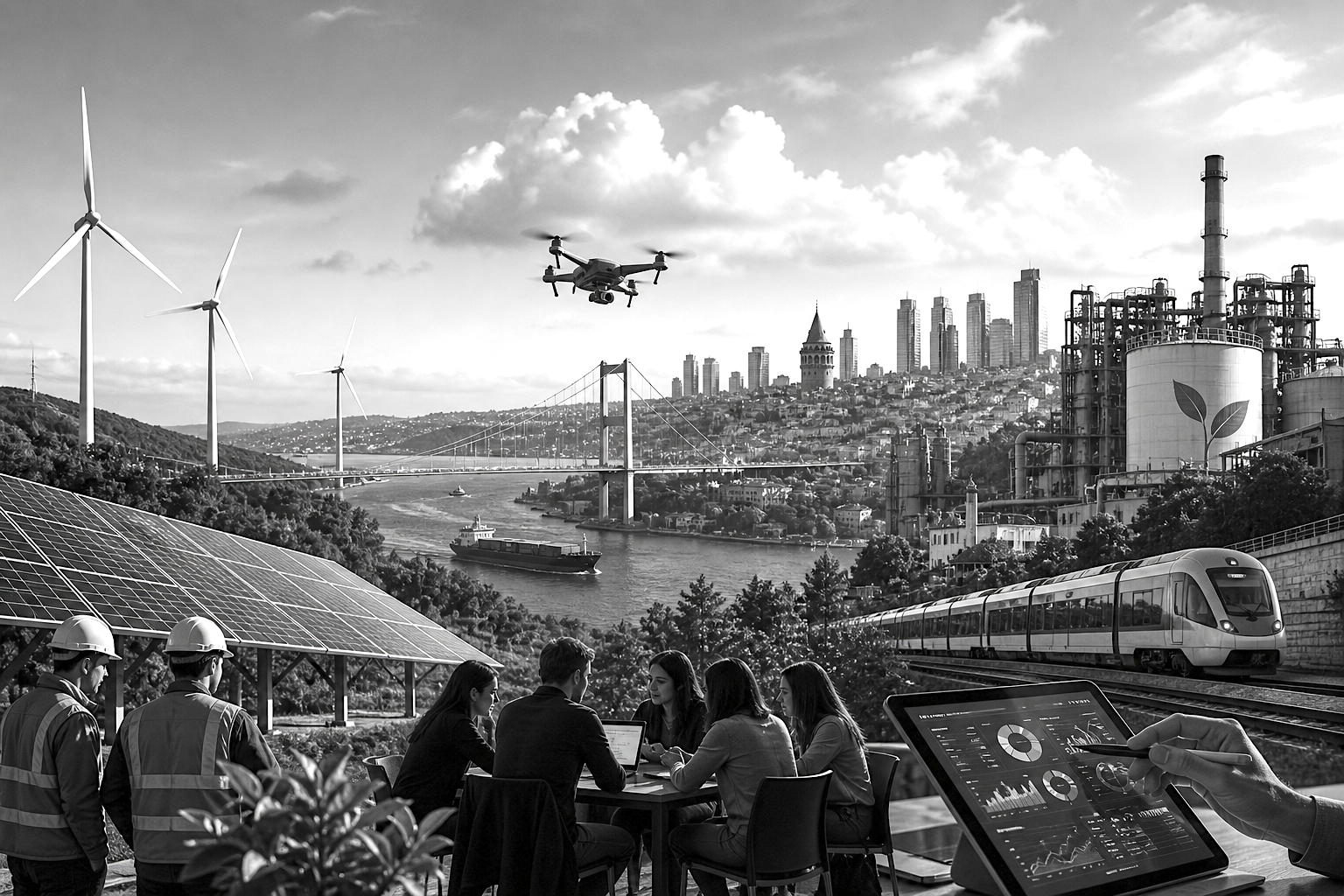
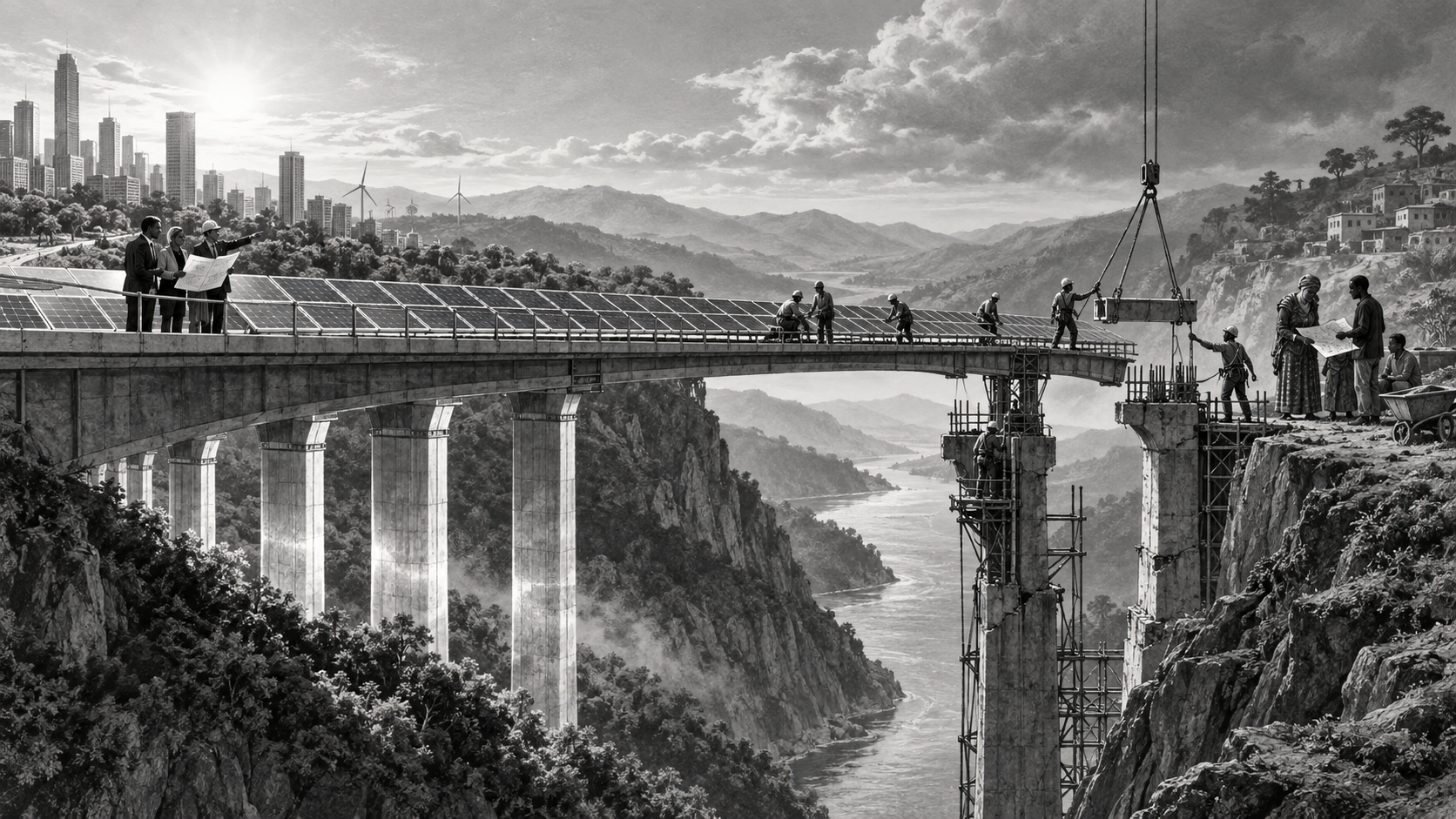
The 64 GW of renewable capacity in its pipeline isn’t charity to the climate; it’s energy security, industrial strategy, and export positioning for a country sitting between European capital, Middle Eastern energy demand, and Central Asian resources. Best for itself, and the group — at the same time. That’s exactly the story the COP31 host should be telling, because it’s the story every hesitant negotiating bloc needs to hear.
The free-rider problem — and what a presidency is actually for
Game theorists will tell you the bar scene has a flaw: if everyone else ignores the blonde, one defector can swoop in and win. The same temptation exists in climate — let everyone else cut emissions, enjoy the stable climate for free, keep burning.
This is exactly why the Paris Agreement is built the way it is. Nationally determined contributions: each country sets its own target, based on its own interests — the “best for himself” half. Global stocktakes and transparency rules: everyone sees who is delivering and who is free-riding — the “and the group” half.
But an equilibrium doesn’t hold on its own. Someone has to engineer it. That is what a COP presidency actually does — and it’s the lens I’d offer for Antalya.
In my first article in this series, I named the three things I’ll be watching at COP31: turning the $300 billion finance pledge into actual project finance, proving Article 6 can pull private capital into emerging markets, and making the Just Transition specific enough to plan around. Look at them again through Nash’s eyes. Every one of them is an overlap-builder — a mechanism that makes the self-interested choice and the collective choice the same choice. Finance changes the payoff for emerging economies. Article 6 changes the payoff for private capital. Just Transition specificity changes the payoff for the workers and regions who otherwise have every reason to resist.
That is the presidency’s real job in Antalya: not to extract sacrifices, but to redesign the game so that defection stops being the winning move.
Adam Smith wasn’t wrong. He was incomplete.
Every country acting only for itself: we block each other, and we all lose. Every country asked to act only for the group: nobody moves. The only stable strategy — the only way we all win — is the one Nash scribbled on a bar napkin: best for yourself, and the group, at the same time.
For the first time in history, the economics agree with the mathematics. The overlap is real, it’s growing, and Türkiye has the chance to preside over the COP that finally builds the mechanisms to lock it in.
Governing dynamics. The window is open. And let’s never forget: action fuels hope, hope fuels action.
The views expressed in this article are solely my own and do not represent the positions of any employer, company, or institution with which I am or have been affiliated.