

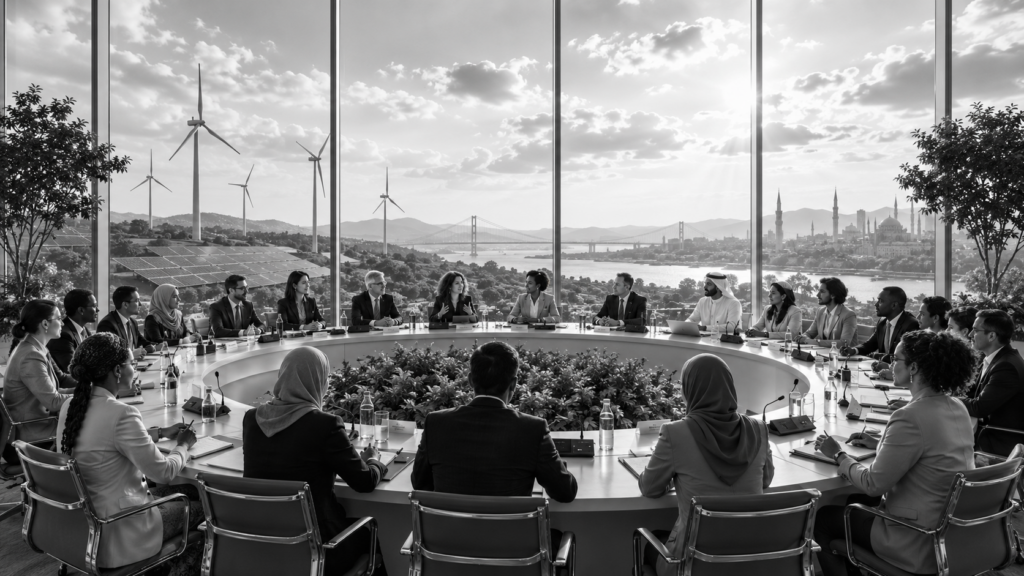
Every year, the world’s nations gather under one roof and commit to something no single country can solve alone: governing a planetary crisis together. No binding treaty automatically enforces the outcomes. No financial penalty punishes inaction. And yet, the agreements reached in these rooms — from Paris to Glasgow, from Sharm El Sheikh to Dubai, from Baku to Belém — have reshaped national energy policies, redirected trillions in capital, and set the terms under which industries like mine operate every single day.
COP is the most consequential multilateral process on Earth. Not because it always delivers but because there is no other forum where 200 nations, civil society, the private sector, and communities on the frontlines of climate change sit in the same building and negotiate a shared future. When it works, it moves the world. When it falls short, the impact is measured in livelihoods, generations and decades of lost time.
COP31 in Antalya carries that weight — and it arrives at a moment that actually feels different.
I’ve sat at both ends of this table. As a Senior Advisor for Energy Transition during the COP28 presidency in Dubai, I watched the machinery of multilateral climate diplomacy from the inside. Now, leading decarbonization efforts covering the Middle East and Africa, I live with the daily consequences of what these negotiations produce — or fail to. That’s a rare position to write from — and one that shapes everything I see in these negotiations.
Two cycles ago, much of what we needed didn’t exist; today it does. The Loss and Damage Fund is operational. Article 6 carbon markets have a working rulebook. And for the first time since Paris, we have a framework capable of connecting climate finance to measurable outcomes — not just pledges.
Türkiye’s position in this moment is historic — and I don’t use that word lightly.
The country has 64 GW of renewable capacity in the pipeline, a generation mix of diverse technologies underpinning there is no silver bullet when it comes to technology. Industrial infrastructure that can anchor regional clean energy supply chains. A geography that sits between European capital, Middle Eastern energy demand, and Central Asian resources. And now, the presidency of the world’s most important climate forum. Türkiye doesn’t arrive in Antalya as a passive host. It has the tools, the talent, and the platform to shape outcomes that will echo for decades.
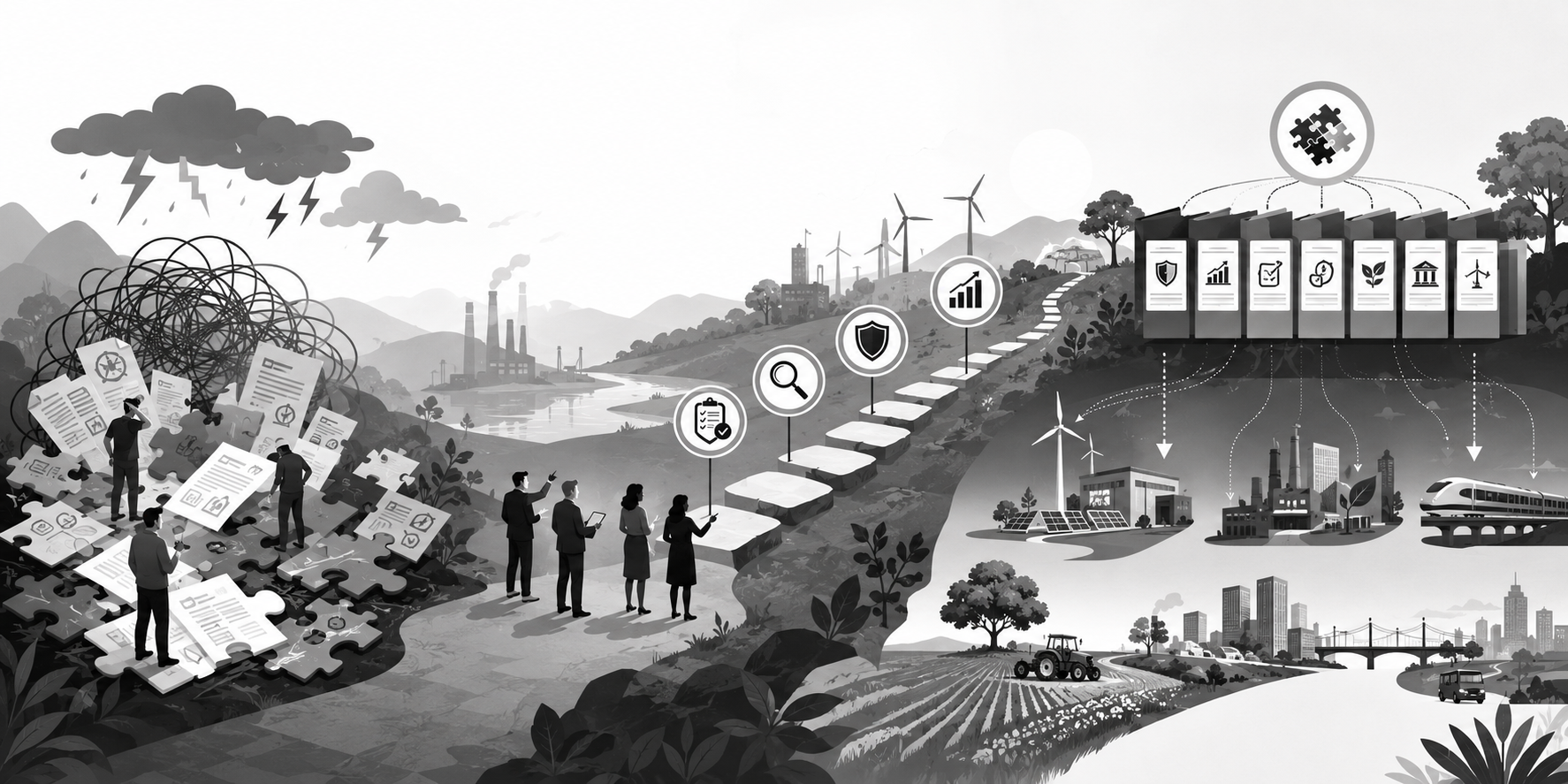
To policymakers entering this process: the world doesn’t need another well-worded commitment. It needs a delivery mechanism. The $300 billion climate finance pledge from COP29 has to move from a political number to actual project finance. Article 6 needs to show it can pull private capital into emerging markets, not just function as a technical achievement. And the Just Transition conversation has to get specific enough that a grid operator or a local government can actually plan around it — not just reference it.
These are the three things I’ll be watching in Antalya. Not the speeches. Not the ceremonies. These.
The Bonn intersessionals begin June 8. You can see the overview schedule of SB64 meetings here. That’s where the real shape of COP31 starts to emerge.
The energy trilemma — security, equity, sustainability — is not a concept I debate in conference rooms; it’s a constraint that I work inside every day. Every project decision involves trading off at least two of those three. What I want from COP31 is an outcome honest enough to acknowledge those tradeoffs, rather than one that smooths them over with language designed to get everyone’s signature and no one’s commitment.
That outcome is possible. Türkiye has a real shot at making it happen.
The window is open. Let’s make this count and let’s never forget. Action fuels hope, hope fuels action.
The views expressed in this article are solely my own and do not represent the positions of any employer, company, or institution with which I am or have been affiliated.