


The rising global demand for electricity, fueled by digitalization and artificial intelligence technologies, is turning the energy sector towards the seas. Following wind energy, floating solar panels, offering high energy density, are emerging as a strong alternative to land constraints. However, research conducted by Deltares shows that these systems lead to significant physical and biological changes in marine ecosystems. The presence of solar panels covering the water surface reduces light penetration, altering water temperature and air-sea interaction. This is said to directly affect the marine food chain and hydrodynamic structure.
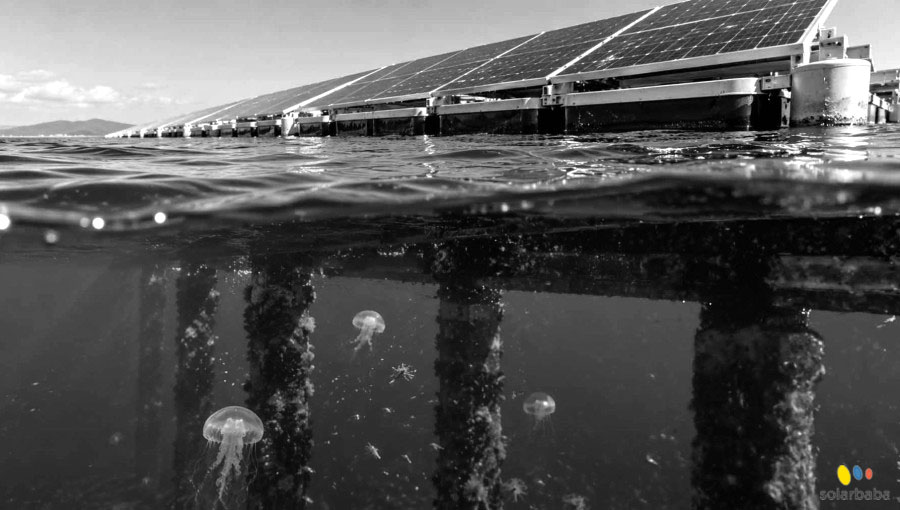
Floating solar panels, with their large surface area, create an artificial reef effect in the marine environment, providing a habitat for the colonization of organisms such as mussels, anemones, and jellyfish. This dense biological layer that forms beneath the structures alters plankton consumption, transforming the local food web. At the same time, the additional weight created by these organisms increases the mechanical stress on the installations, accelerating corrosion and raising maintenance costs.
Experts emphasize that for this technology to be adopted sustainably, environmental monitoring processes must be implemented from the very first stages of the project. While leveraging the high energy potential of floating solar panels, it is critical to incorporate the structural weight of artificial reef effects and biological pollution into legal regulations to protect marine biodiversity. Achieving clean energy goals in the future will only be possible through intelligent maritime planning that balances energy production with the protection of marine ecosystems.
Source: Solarbaba – In Turkish