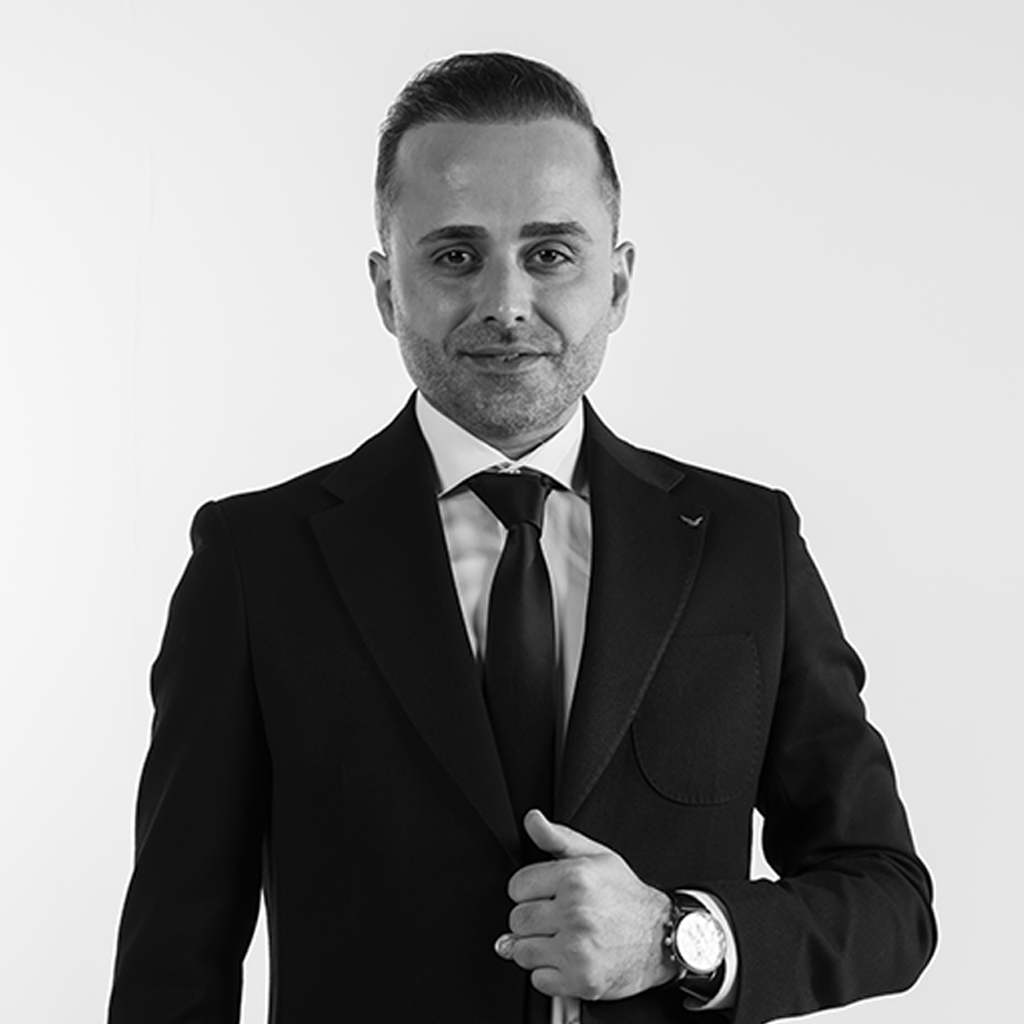
Samet Meriçli is a senior sustainability and ESG professional with nearly 15 years of experience across leading industrial organizations in Türkiye, particularly within the energy sector. His expertise covers corporate sustainability, ESG governance, reporting standards, climate action, corporate social responsibility (CSR), social impact management, gender equality, and communication-driven initiatives. His work focuses on embedding sustainability into corporate strategy and decision-making processes, with a strong emphasis on climate transition, ESG reporting, and long-term value creation.
Having spent many years at SOCAR Türkiye, he played a central role in shaping the group’s sustainability and climate vision. He led the development of the Net Zero by 2050 Roadmap, supported the design of sustainability strategies and policies, and contributed to the establishment of governance structures aligned with corporate strategy. During this period, he managed sustainability and integrated reporting processes and coordinated ESG data management and stakeholder disclosures for global ESG platforms. His technical expertise includes Life Cycle Assessment (LCA), greenhouse gas management, and energy efficiency initiatives. He also led regulatory alignment efforts related to the European Green Deal and CBAM, represented SOCAR Türkiye at international and national platforms, and developed partnerships with the UN Global Compact and sector-specific sustainability initiatives. His responsibilities further included CSR, employee volunteering programs, integration of the UN Sustainable Development Goals (SDGs) into corporate strategy, and the implementation of the Women’s Empowerment Principles (WEPs).
Prior to SOCAR Türkiye, he worked at Bursagaz in the field of business excellence and management systems, gaining experience in strategic planning, the EFQM Excellence Model, integrated management systems, risk management, carbon footprint assessment, and energy efficiency.
He believes that achieving lasting sustainability impact requires climate and environmental goals to be embraced as a shared responsibility by institutions, markets, and society. From this perspective, he approaches sustainability not merely as a technical process, but as a holistic transformation integrated with culture, the arts, and societal values, and pursues interdisciplinary initiatives through a voluntary social initiative, alongside his professional career.