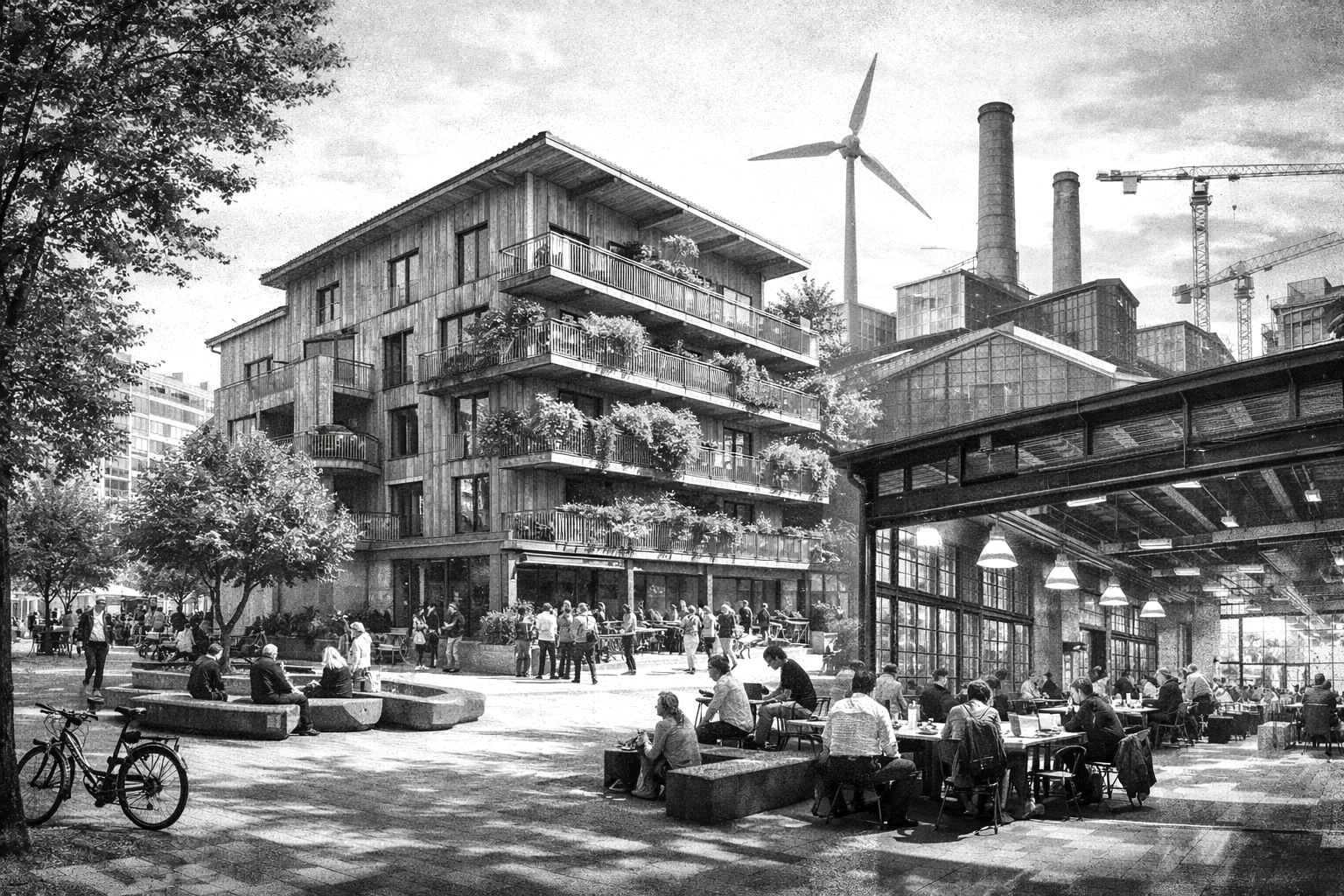





The 15-minute city is, at heart, a modest promise: that daily life should not require a long commute.
In a 15-minute city, most essentials like work, school, groceries, parks, and healthcare sit within a short walk or bike ride from home. The point is not to restrict movement, but to reduce forced travel, the kind that quietly consumes time, money, and air quality. It is an urban model built on proximity and choice, where people can move easily without defaulting to a car.
Supporters frame it as a practical response to modern pressures: congestion, rising emissions, and unequal access to services. When neighborhoods are designed to be self-sufficient, mixed-use, walkable, and bike-friendly, cities often see less traffic, stronger local economies, and healthier residents.
Paris has become one of the clearest symbols of this shift. During the first wave of Covid-19 lockdowns, Mayor Anne Hidalgo’s administration expanded temporary bike lanes and street closures, then turned many of them into permanent infrastructure. In 2023, Paris had more than 1,000 kilometers of cycling routes, reflecting a broader attempt to make daily life easier at the neighborhood scale.
Barcelona’s answer has been the superblock. The city reorganized streets so that through-traffic is pushed to the edges, while interior streets become quieter, safer, and more usable for people. The aim is not speed, but livability, turning streets into shared civic space rather than simple corridors for cars.
In Melbourne, the idea shows up as the 20-minute neighbourhood, built around “living locally.” The Victorian Government describes it as enabling people to meet most daily needs within a 20-minute return walk from home, supported by safe cycling and local transport options.
Portland has followed a similar logic through its own 20-minute neighborhood planning, connecting the concept to long-term goals on climate, accessibility, and everyday services.
The controversy around 15-minute cities says as much about politics as planning. The idea is simple, but its rollout can raise questions about equity and public trust. In practice, it works best when it feels like expanded access, not enforced lifestyle.