



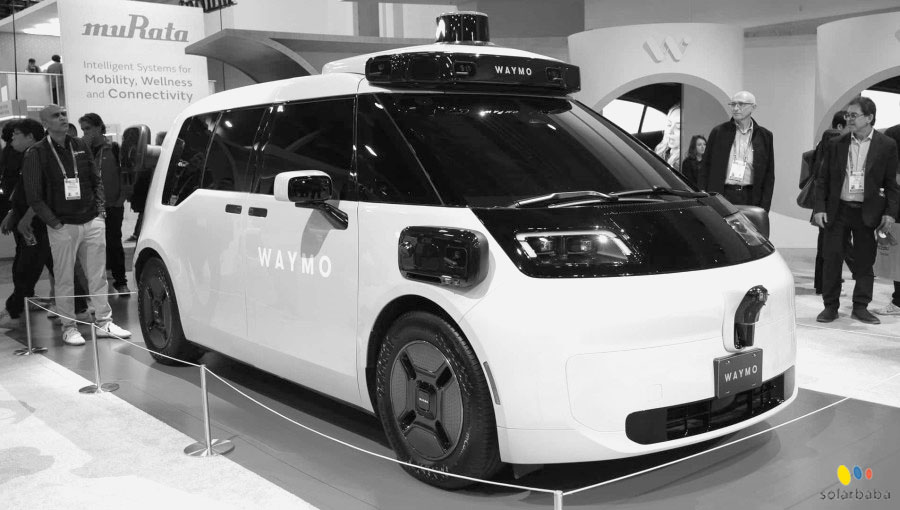
Alphabet subsidiary Waymo has surpassed the milestone of 500,000 paid weekly rides, marking a major achievement in the robotaxi industry. Having doubled its passenger volume since April of last year, the company has expanded across 10 major U.S. markets, further strengthening its leadership in autonomous mobility. With a target of reaching one million weekly rides by the end of 2025, Waymo aims to transform autonomous transportation into a global commercial powerhouse through the addition of new vehicle models and ambitious international expansion plans. This milestone demonstrates that self-driving vehicle technology is rapidly evolving from an experimental concept into a fully established industry.
Waymo’s rapid growth momentum is largely driven by its aggressive strategy to expand its service network. At the beginning of 2025, the company operated only in limited regions such as Los Angeles, San Francisco, and Phoenix. Within a short period, however, it expanded into major metropolitan areas including Dallas, Houston, San Antonio, and Orlando. Now operating across 10 different cities, Waymo continues to improve the reliability of its autonomous driving system by testing it under varying traffic densities and diverse weather conditions.
While Waymo maintains its dominance in the autonomous vehicle market, competitors are accelerating their efforts to close the gap. Zoox announced that, alongside expanding its presence in Las Vegas and San Francisco, it has also launched new testing operations in Austin and Miami. Meanwhile, Tesla’s robotaxi program remains limited to Austin for now. The continued need for human supervision and the relatively small operational fleet place Tesla behind Waymo in terms of technological maturity.
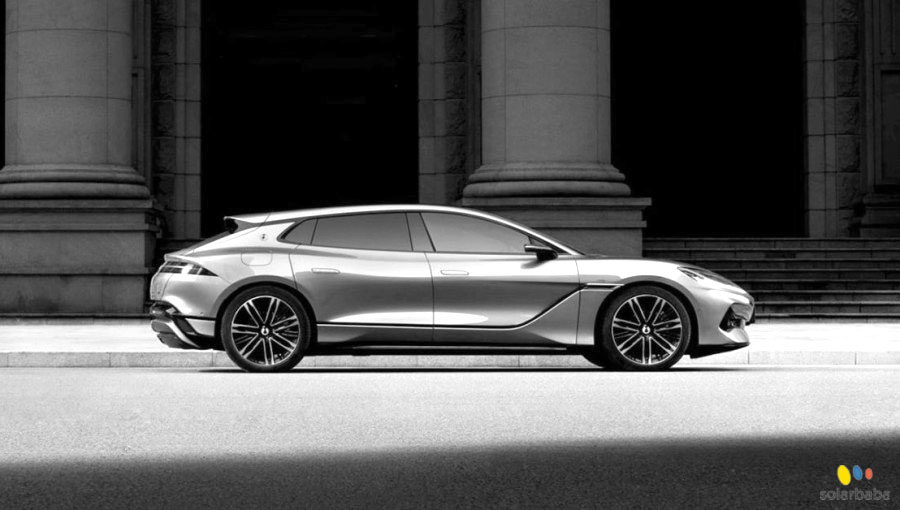
Expanding its long-term vision, Waymo has identified 21 additional locations for future operations, including densely populated cities such as New York City, Chicago, and London. The company also plans to diversify its fleet, which currently consists primarily of Jaguar I-Pace models, by adding custom-built Zeekr minibuses and Hyundai Ioniq 5 vehicles in the near future. Company executives state that the biggest challenge ahead will be adapting the software seamlessly to international traffic dynamics and varying climate conditions without compromising safety standards.
Source: Solarbaba – In Turkish