
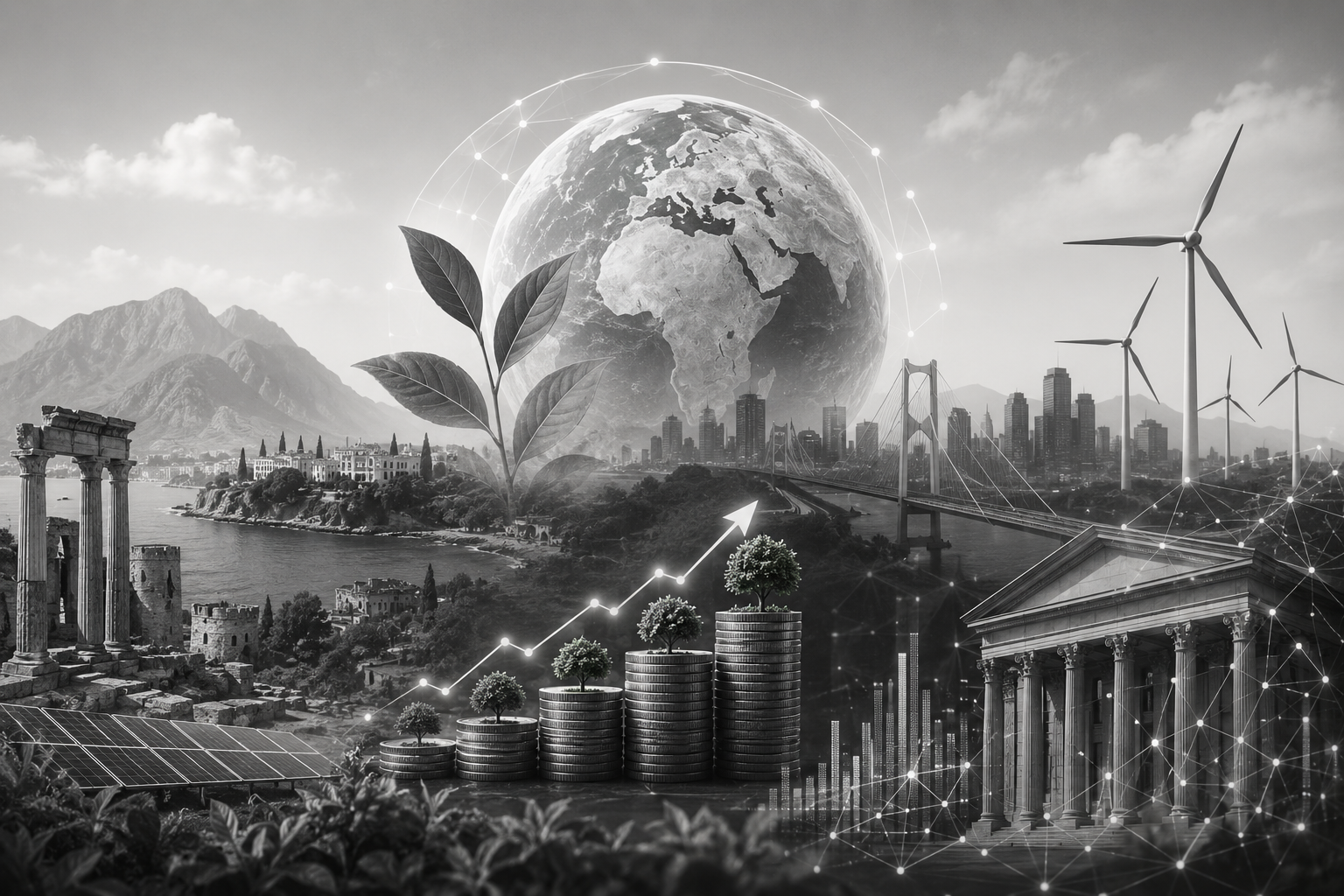
The world is entering a defining new era, one in which electricity is no longer simply a service in the background but the central engine of economic growth. In its February 2026 flagship outlook, Electricity 2026, the International Energy Agency says the Age of Electricity has arrived, and with it comes a challenge that may shape the transition as much as solar panels or electric vehicles: the grid itself.
Global power demand is accelerating quickly. Electricity consumption is forecast to grow at an average rate of 3.6 percent annually through 2030, adding roughly 1,100 terawatt-hours each year, far faster than the pace of the past decade.
What makes this moment different is that electricity is beginning to outgrow the economy. For the first time in three decades outside crisis years, global electricity demand has started to outpace GDP growth. Through 2030, electricity use is projected to expand at least 2.5 times faster than overall energy demand.
The forces behind the surge are unmistakably modern. Data centres and artificial intelligence are reshaping consumption in advanced economies. Electric vehicles, cooling demand in a warming climate, and electrified industry are pushing demand higher across emerging markets. In the United States, about half of electricity demand growth through 2030 is expected to come from the rapid expansion of data centres.
Emerging economies remain the main pillar of this growth. Nearly 80 percent of additional demand through 2030 will come from developing markets, with China alone accounting for close to half of the global increase. Over the next five years, China is expected to add electricity demand equivalent to the entire European Union’s current consumption.
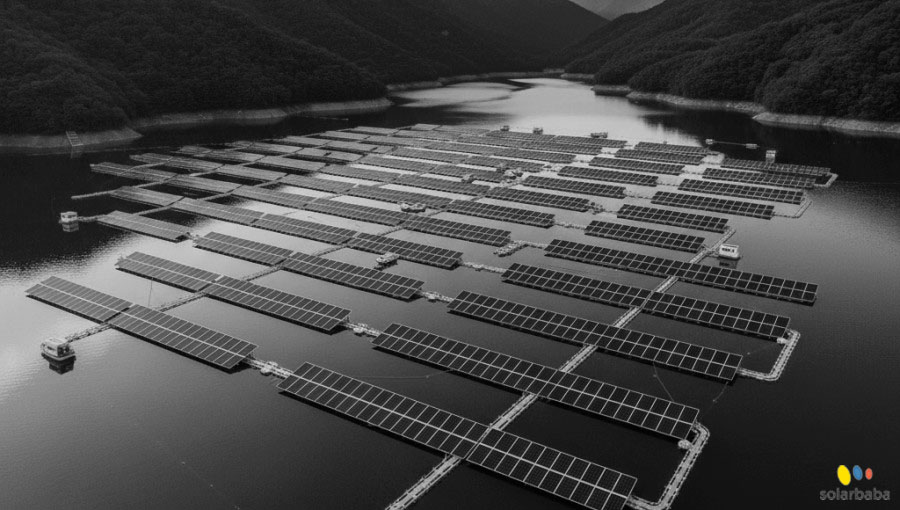
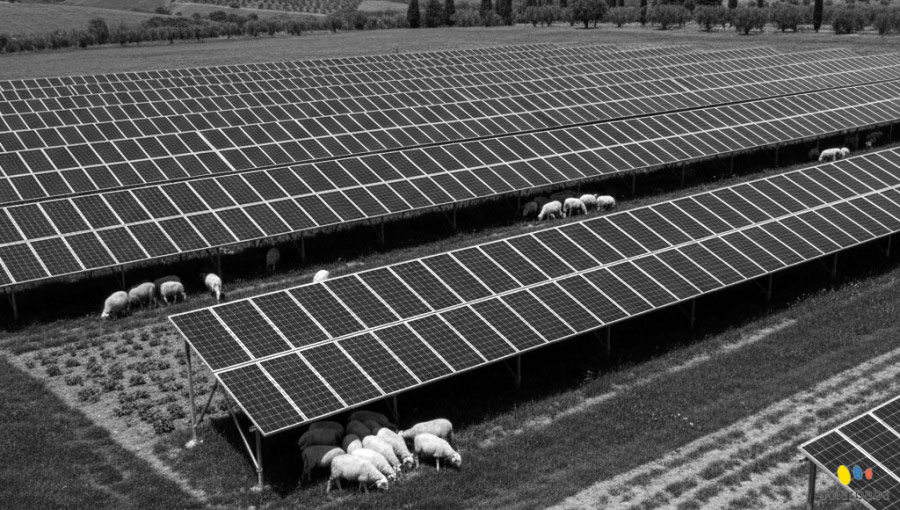
Supply is transforming rapidly. Renewable generation is overtaking coal, driven by record solar expansion. Solar power alone is expected to add more than 600 terawatt-hours of generation each year through 2030. By the end of the decade, renewables and nuclear together are forecast to provide around half of global electricity.
And yet coal remains stubbornly present. Even as its share declines, it is still projected to be the single largest source of electricity generation in 2030. 
This is where the grid becomes the next great test.
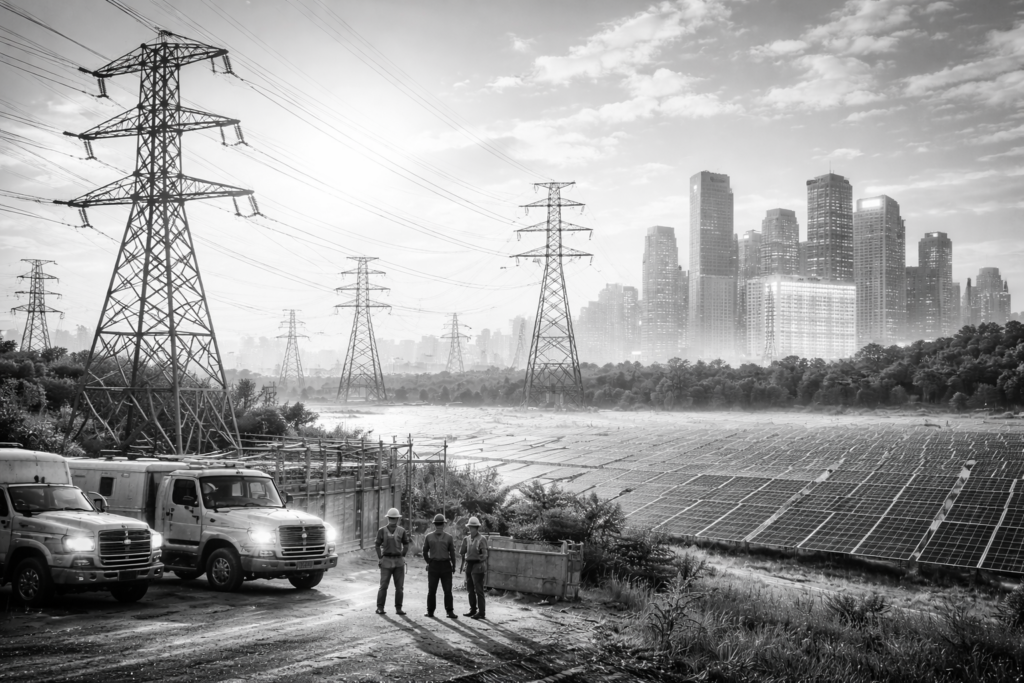
More than 2,500 gigawatts of renewable, storage, and large-load projects are currently stalled in grid connection queues worldwide. In many regions, grid congestion is already forcing curtailment of clean energy and delaying new capacity.
The IEA warns that meeting electricity demand through 2030 will require annual grid investment to rise by roughly 50 percent from today’s $400 billion. Transmission lines can take a decade to plan and build, while solar farms, battery projects, and data centres can come online in just a few years.
Flexibility is becoming as important as generation itself. Utility scale batteries are expanding rapidly in markets like California, Germany, Texas, and Australia, helping stabilize systems as solar and wind rise from 17 percent of global generation today to 27 percent by 2030.
Even with the growth of low carbon power, electricity remains the largest source of energy related emissions, producing nearly 13.9 billion tonnes of CO₂ each year. Emissions are expected to plateau through 2030, but the transition will depend on whether grids can expand fast enough to support cleaner supply and rising demand at the same time.
The Age of Electricity is no longer a forecast. It is unfolding now. The next question is whether the infrastructure behind the plug can keep up.