


Southeast Asia’s electricity demand is rising at extraordinary speed.
Over the past two decades, power consumption across the Association of Southeast Asian Nations has tripled. In several countries, annual generation has grown by more than 5 percent since 2000, and in Cambodia, Lao PDR and Viet Nam it has exceeded 10 percent per year.
Economic growth, urbanization and industrial expansion are driving the surge. The question is no longer whether demand will increase. It is how it will be met.
A new International Energy Agency report, Accelerating Renewable Energy Growth in ASEAN: Challenges and Policy Suggestions, argues that the region stands at a decisive moment. Renewable resources are abundant. Climate targets are increasingly formalized. But structural barriers are slowing the transition just as the climate clock ticks louder.
Coal remains dominant. In 2024, coal-fired power plants supplied 47 percent of ASEAN’s electricity. These plants are relatively young, with an average age of about 15 years. That youth complicates decarbonization. The infrastructure of yesterday is not close to retirement.
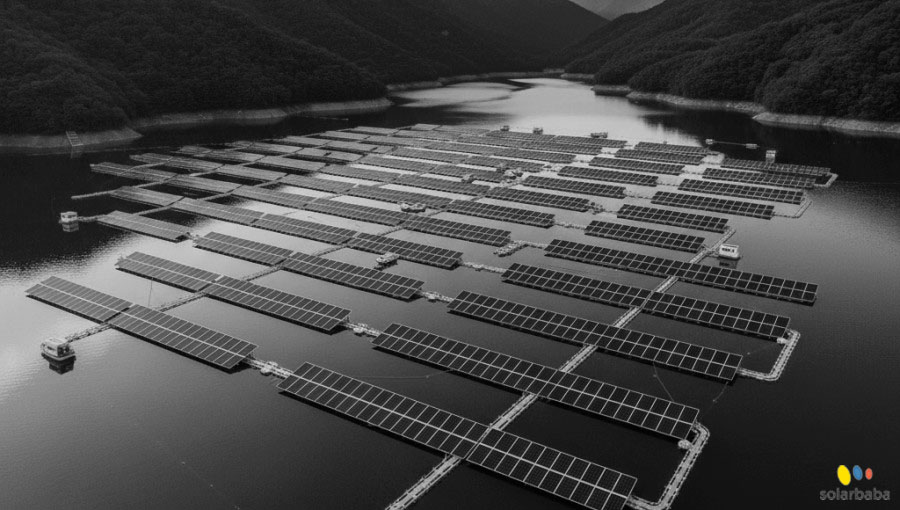
Renewables are growing, but not yet fast enough to reshape the system. Solar capacity has increased sixfold since 2018, reaching nearly 35 gigawatts. Still, renewables accounted for only 25 percent of total electricity supply in 2024. Solar and wind together provided less than 5 percent of generation in every member state except Viet Nam.
The contrast between potential and performance is stark. ASEAN holds around 20 terawatts of technical solar and wind potential, more than 55 times its current installed capacity. The region does not lack sunshine or wind. It lacks system acceleration.
Eight of ASEAN’s eleven member states have adopted net-zero emissions targets. Under the ASEAN Plan of Action on Energy Co-operation 2026 to 2030, countries aim to increase renewables to 45 percent of installed power capacity by 2030, up from roughly 35 percent today.
National plans go even further. Malaysia targets 70 percent renewable capacity by 2050. Thailand aims for at least 50 percent renewable generation by 2037. Viet Nam’s revised power plan envisions renewables reaching up to 75 percent of generation by mid-century.
Ambition, however, is colliding with structural constraints.
In much of the region, utility-scale solar costs remain above USD 60 per megawatt-hour, higher than global auction averages. Financing costs are elevated, reflecting perceived risks and policy uncertainty. Inconsistent procurement schedules and unclear timelines increase investor hesitation.
Electricity markets in several countries rely on single-buyer models where financially constrained state-owned utilities raise credit risk and capital costs. Corporate power purchase agreements, which have driven renewable growth elsewhere, remain limited.
Grid flexibility is another challenge. Inflexible fossil-fuel contracts, limited remuneration for flexibility services and fragmented permitting processes slow deployment.
Even geothermal, one of the region’s most promising dispatchable renewable resources, faces high exploration risk. ASEAN is expected to account for nearly 30 percent of global geothermal capacity additions by 2030, largely in Indonesia and the Philippines. Yet drilling uncertainty increases financing costs and deters investment.
The IEA’s message is not that ASEAN is falling behind, but that the window for alignment is narrowing. Electricity demand will continue to surge. If renewable deployment does not accelerate at the same pace, coal will continue to fill the gap.
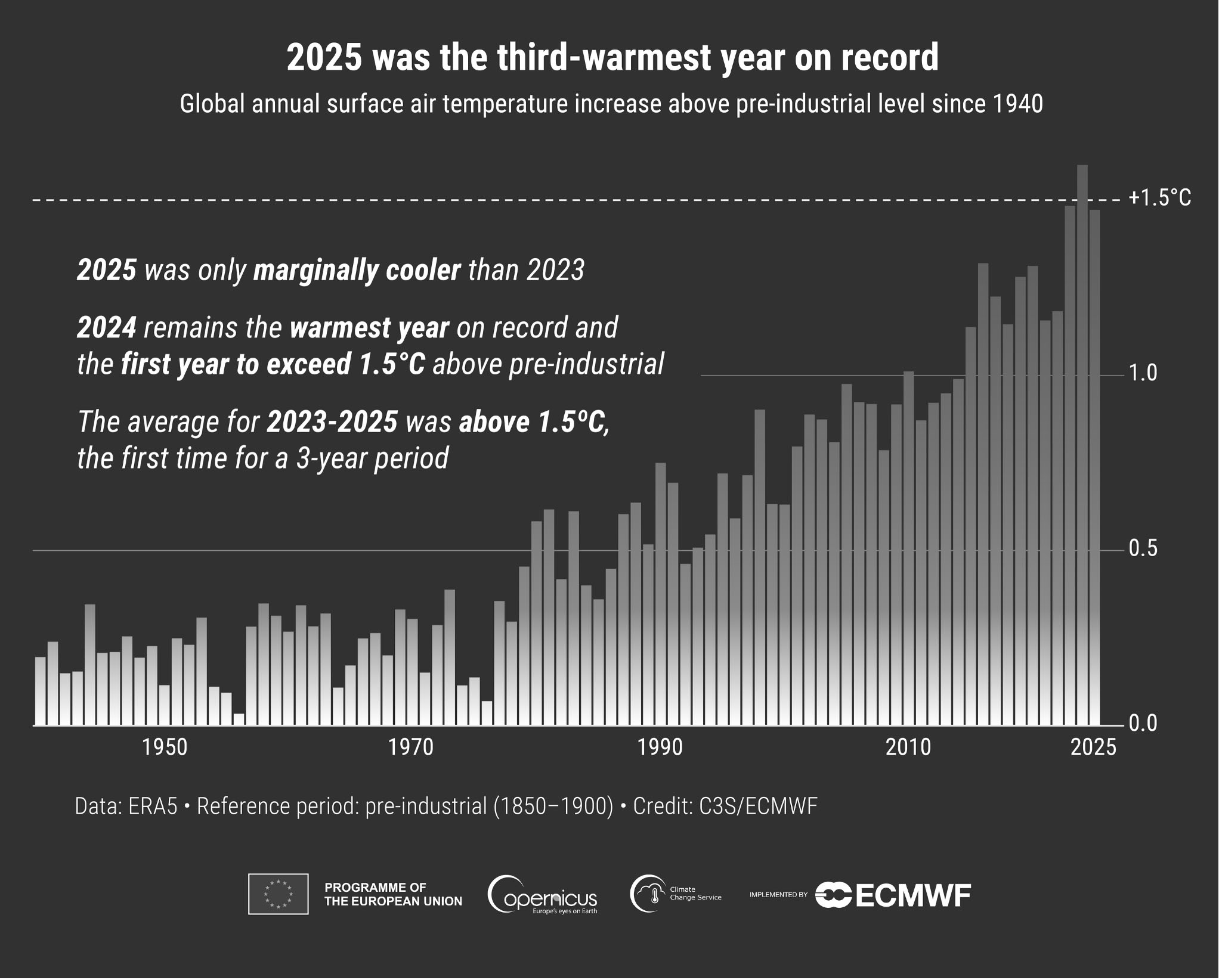
The climate clock does not pause for permitting reform or tariff adjustments.
ASEAN’s growth story is already underway.
Whether its energy story aligns with global climate goals remains the region’s defining test.