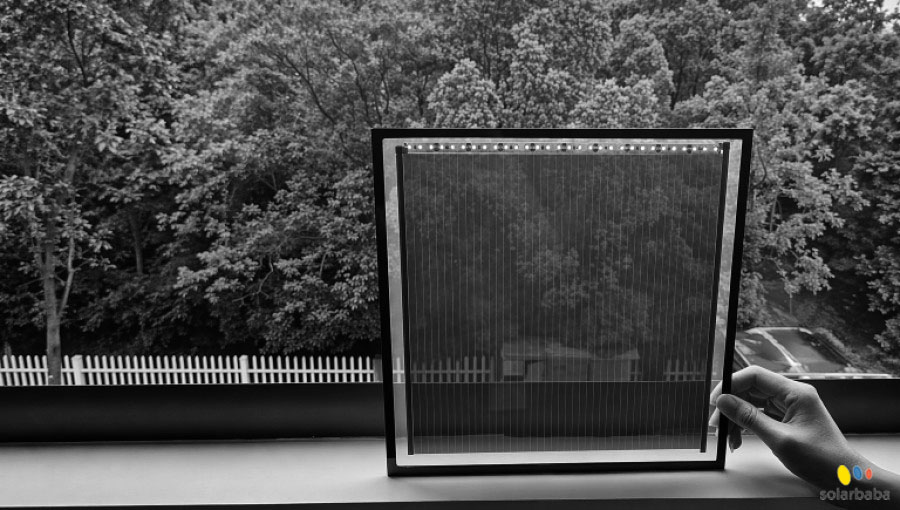

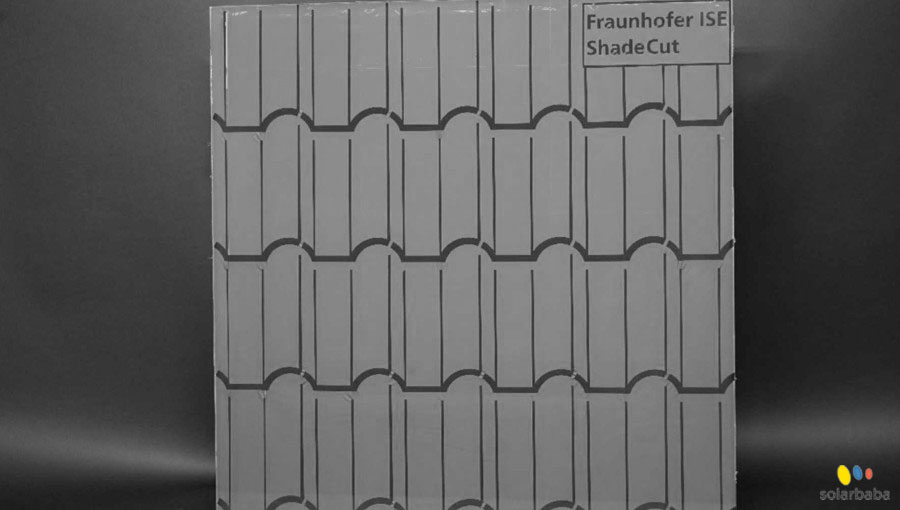
Researchers at the Fraunhofer Institute for Solar Energy Systems (ISE) in Germany have developed a new solar panel technology designed to integrate seamlessly into the architectural fabric of historic buildings and aesthetically sensitive environments. Dubbed “ShadeCut,” this technology allows photovoltaic panels to mimic the appearance of roof tiles, brickwork, or natural stone, effectively eliminating the harsh industrial look associated with conventional panels. Drawing bio-inspiration from the structural coloration of the Morpho butterfly’s wings, the method incurs only a minimal 5% efficiency loss, unlocking solar power adoption even in zones with stringent architectural preservation codes.
Installing standard solar arrays often faces strict regulatory resistance in heritage districts and master-planned developments due to visual impact concerns. Fraunhofer ISE’s ShadeCut addresses this challenge using “structural color” engineering. The microscopic 3D architecture of Morpho butterfly wings creates vibrant color by scattering and reflecting select wavelengths of light rather than relying on absorption. By applying this physical principle to the front glass of solar modules without paints or pigments, researchers achieved custom coloration without blocking the sunlight needed by the underlying photovoltaic cells, thereby preserving peak power conversion efficiency.
In the ShadeCut manufacturing process, a MorphoColor-coated film is patterned using precision laser or computer-aided cutting methods. When laminated onto the panel, the module visually blends into its surroundings from a distance, indistinguishable from a conventional tile roof or masonry wall. Independent performance metrics verify that this technology retains approximately 95% of a standard solar panel’s energy output.
This innovation offers an impactful solution not only for rooftops but also for vertical building facades. Exterior walls where conventional solar cladding would be visually unacceptable can now be transformed into clean-energy-generating surfaces with the authentic appearance of brick or masonry. Furthermore, custom patterning allows for the seamless integration of logos and typographic elements. Now reaching commercial maturity, ShadeCut aims to dismantle one of the key aesthetic barriers facing the renewable energy transition in protected urban landscapes.
Source: Solarbaba – In Turkish