


Introduction: Building on the Belém Milestone
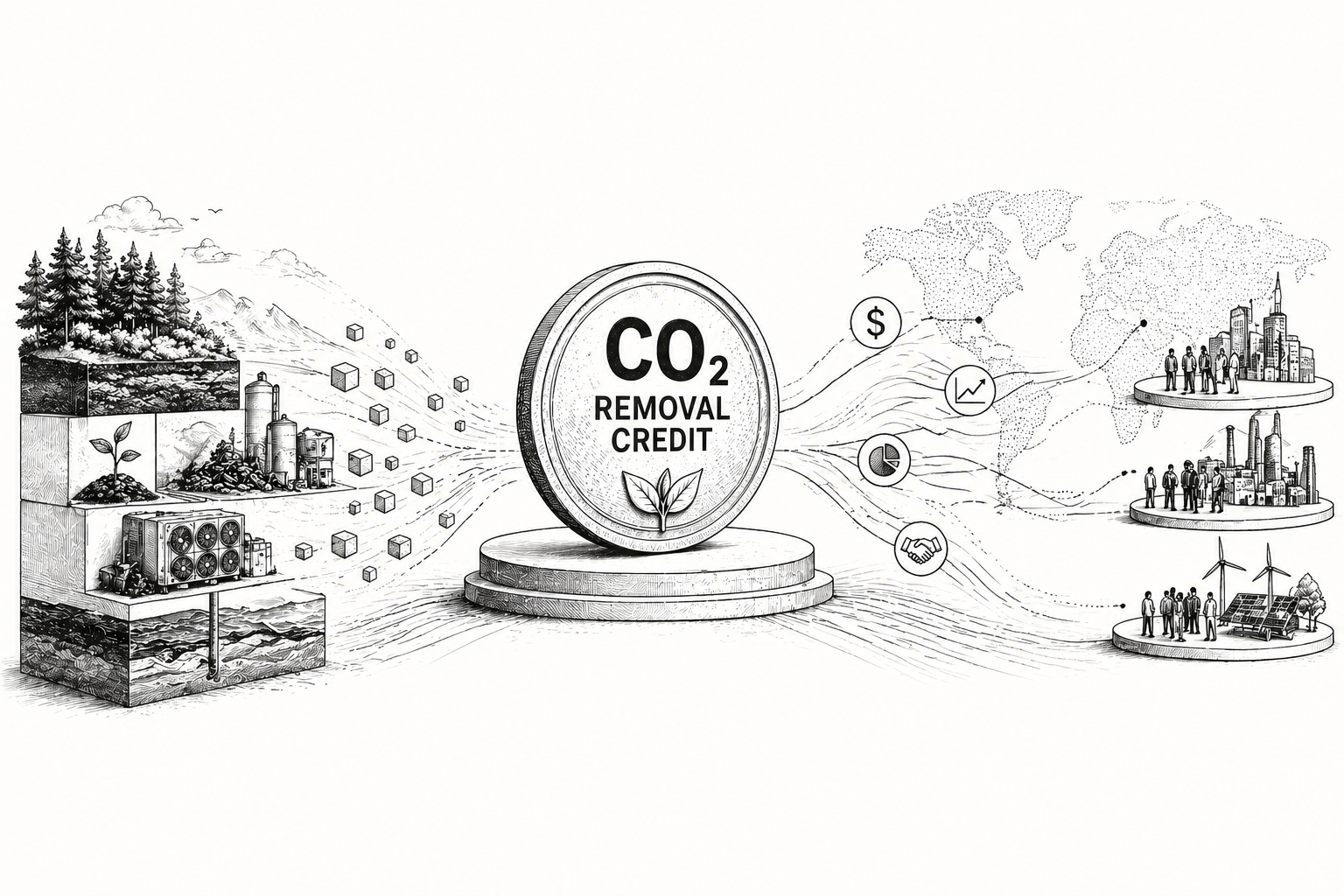
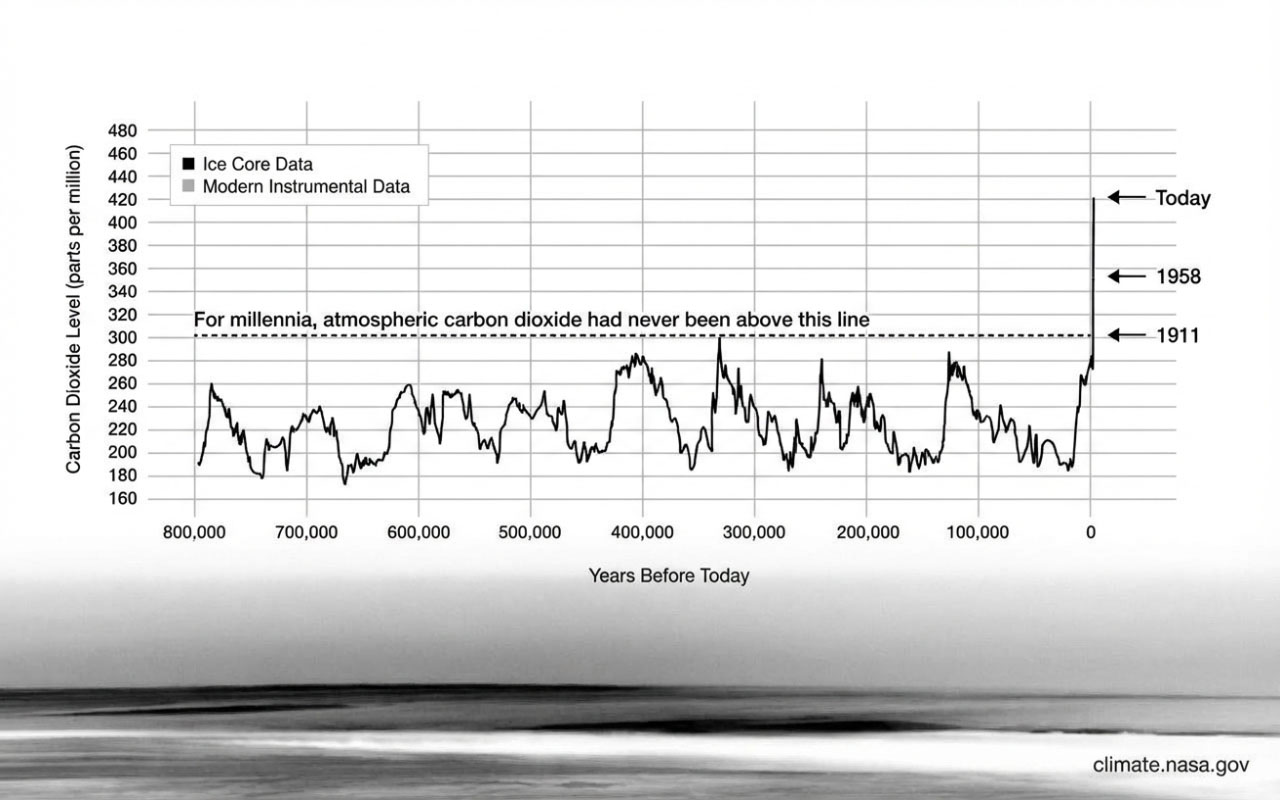
The UN Climate Change Conference in Belém (COP30) marked a structural turning point for carbon dioxide removal within international climate negotiations. For the first time in COP history, a dedicated Carbon Removals Pavilion brought the sector directly into the Blue Zone, establishing a unified physical presence for developers, policymakers, researchers, and climate finance providers. Beyond visibility, Belém provided an institutional mandate by integrating CDR into Axis 1 of the formal UN Global Climate Action Agenda. This momentum led to the launch of the CDR2030, which establishes a near-term global implementation benchmark for 2030: scaling novel, durable carbon removal to 100 million tonnes per year alongside 3 gigatonnes per year of conventional, nature-based removal, aligned with scientific assessments from the IPCC WGIII AR6 Summary for Policymakers and The State of Carbon Dioxide Removal 3rd Edition Report. Because novel, durable pathways currently represent less than 0.1 percent of active global removal, the five-year window leading to 2030 is critical to establish the policy, commercial, and verification frameworks required to scale.
As the global climate community turns toward COP31 in Antalya, the task moves from securing multilateral recognition to driving real-world deployment. Building on the foundation laid in Belém, the Think Negative Coalition will host the second dedicated Carbon Removals Pavilion in the Blue Zone. Hosted under Türkiye’s COP Presidency, the Antalya Pavilion serves as a platform to bring together carbon removal solution providers with policymakers, industry leaders, civil society, researchers, investors and financial institutions on practical deployment. According to the coalition’s programming guidelines, the pavilion’s agenda centers on four core themes: integrating carbon removal into national policy, ETS frameworks, and compliance markets; connecting CDR to industrial decarbonization and host-country regional strengths; building resilient demand and attracting capital beyond early corporate buyers; and expanding deployment across geographies beyond traditional North American and European focus areas.
While COP31 is a global multilateral summit, hosting the conference provides Türkiye with a distinct opportunity to showcase how its industrial assets, biomass resources, and geographic position, alongside the wider region, can act as an active delivery platform for carbon removal. This introductory article examines how COP31 can bridge the gap between scientific necessity and operational execution of CDR.
Strategic Foundations: Türkiye and Regional Delivery Platforms
Deploying carbon dioxide removal at megatonne scale requires moving beyond standalone, isolated facilities and embedding removal processes directly into existing industrial and agricultural systems. Carbon removal operates most effectively when integrated as an operational function within established supply chains. Türkiye has significant structural advantages across core heavy industries, including cement, concrete, steel, mining, construction, geothermal energy, and agriculture, which provide immediate physical delivery platforms to deploy CDR pathways such as biochar, mineral carbonation, enhanced rock weathering, and direct air capture.
A critical opportunity lies in transforming industrial residual streams and biomass waste into long-term carbon storage mediums. Demolition concrete, industrial slags, coal ash, mine tailings, and municipal biosolids contain reactive minerals that can be carbonated to permanently sequester carbon dioxide while producing lower-carbon aggregates and construction inputs. Similarly, Türkiye’s agricultural sector produces millions of tonnes of unutilized biomass residues annually. Processing these residues into biochar provides dual benefits: removing atmospheric carbon for centuries while improving soil moisture retention, nutrient efficiency, and agricultural resilience under Mediterranean climate conditions.
Combining these industrial streams with Türkiye’s logistics infrastructure, mineral reserves, and geological formations creates a natural hub for regional carbon management. The country’s ports, transit corridors, and industrial zones provide the operational backbone required to handle material flows and carbon management at scale. By connecting domestic capabilities with surrounding Eurasian and Mediterranean markets, Türkiye can serve as a regional implementation bridge, connecting emerging technology developers with industrial deployment assets and long-term storage routes.
Aligning Carbon Removal with COP31 Presidency Priorities
Aligning carbon removal with the broader Green Industrialization agenda creates a direct link between national climate policy and industrial execution. As governments prepare updated Nationally Determined Contributions (NDCs) ahead of COP31, incorporating high-integrity, durable removal targets alongside deep emissions reductions provides the regulatory certainty required for industrial investment. For heavy manufacturing sectors like cement, steel, mining, and geothermal energy, adopting durable CDR pathways (such as biochar, mineral carbonation, and BECCS) transforms decarbonization from a regulatory constraint into an opportunity to enhance long-term competitiveness. Utilizing existing industrial assets and material streams for carbon management allows participating economies to build lower-carbon supply chains that remain resilient against emerging international carbon border adjustments and global compliance frameworks.
The intersection of carbon removal with Zero Waste and circular economy principles opens vital opportunities to convert material waste streams into permanent storage mediums. Agricultural residues, forestry trimmings, municipal biosolids, demolition waste, and industrial slags are often treated as economic or environmental liabilities. Through biochar thermal conversion and mineralization technologies, these residual materials are transformed into carbon-storing inputs and high-value secondary resources. Linking material efficiency with atmospheric carbon removal converts traditional waste management into a value-generating circular system.
Urban transformation, agricultural management, and coastal governance offer direct avenues to scale deployment and create early demand signals. In built environments, specifying carbonated aggregates and carbon-storing concrete in infrastructure procurement creates structured, long-term demand for permanent removal. In agriculture, applying biochar and enhanced rock weathering strengthens soil structure, improves moisture retention, and reduces reliance on synthetic fertilizers, supporting food security across Mediterranean farming regions. In marine environments, establishing responsible research, governance, and measurement frameworks for ocean-based CDR methods provides the necessary structure to safely evaluate marine carbon removal opportunities.
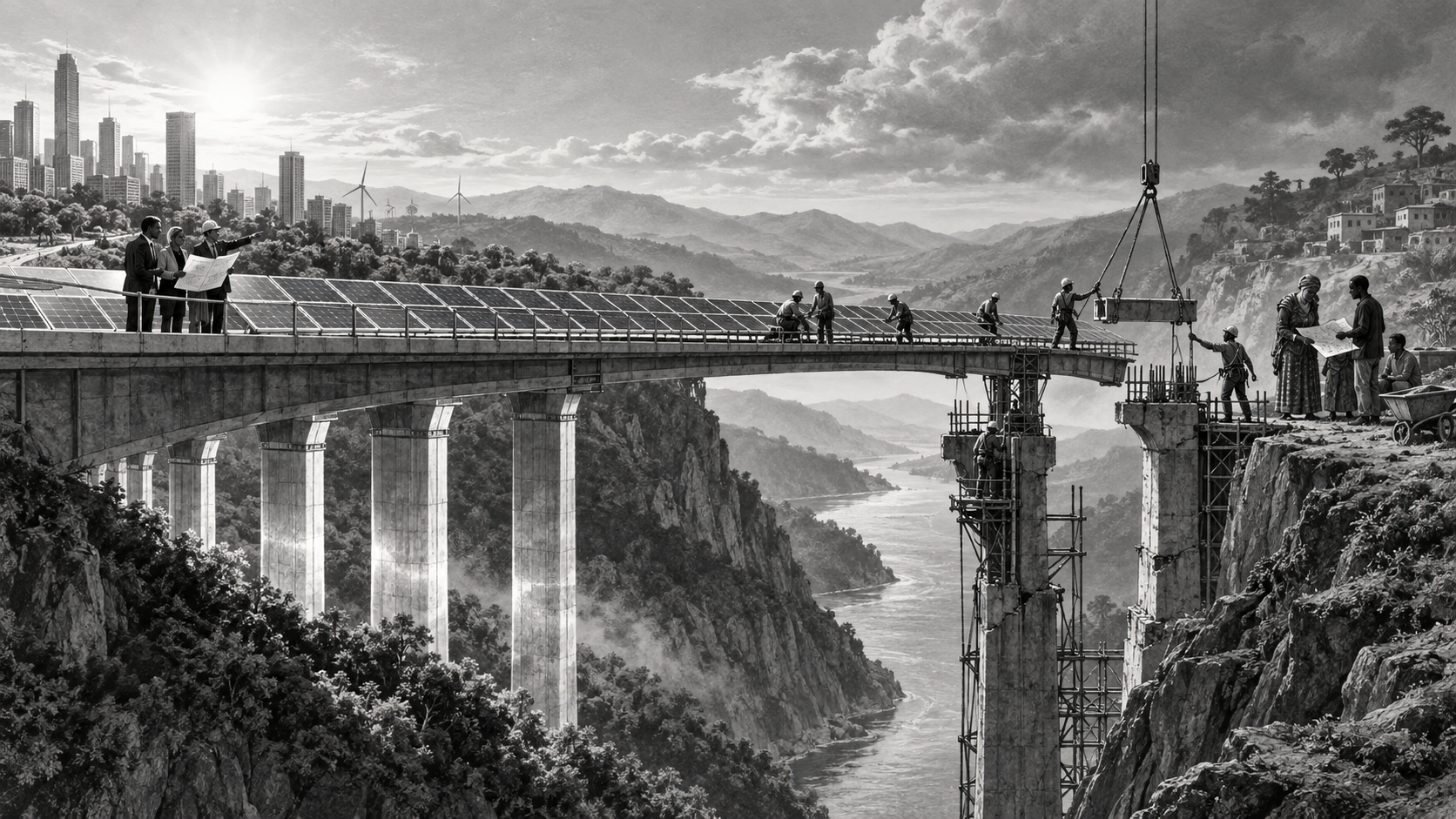
Connecting carbon removal with the COP31 Presidency’s Climate Implementation Bridge (BRIDGE) addresses one of the main bottlenecks facing early deployment: access to structured capital and project preparation. As detailed in the UNFCCC COP31 Presidency Statement, the BRIDGE initiative aims to channel climate finance, concessional funding, and private investment into investable, bankable project portfolios under the broader scope of the UN Global Climate Action Agenda. Embedding durable carbon removal into this mechanism provides a pathway to de-risk early demonstration projects, connect regional biochar and mineralization projects with international technology partners, and establish blended finance structures. Linking project pipelines with forward offtake agreements and public procurement frameworks allows BRIDGE to help turn carbon removal from isolated pilot projects into bankable, scalable assets, as examined in CDR Brief Issue 7.
Proposed COP31 Presidency Actions and Implementation Mechanisms
Building on the momentum from Belém, COP31 offers a concrete opportunity to elevate the CDR2030 Implementation Target within formal Presidency programming. Formally recognized under Axis 1 of the UN Global Climate Action Agenda, embedding carbon removal into official communications and deliverable milestones establishes durable removal as a core component of implementation rather than a side conversation.
Moving from targets to real-world projects requires dedicated financial and technical mechanisms. Deploying the Presidency’s proposed Climate Implementation Bridge (BRIDGE) as an operational framework allows participating countries to connect finance-ready demonstration projects with technology partners, project preparation support, and international capital. With Türkiye and neighboring Mediterranean and Eurasian economies serving as a primary regional example, structuring a portfolio of early-stage projects across biochar, mineralization, and industrial carbon management creates investable opportunities that de-risk future deployment.
To build political momentum, a High-Level Ministerial Roundtable focused on scaling carbon removal through green industrialization could convene governments, industry leaders, and financial institutions to align policy support with industrial demand. Alongside these high-level discussions, a proposed session application for the Türkiye Pavilion, titled “Unlocking Türkiye’s Regional Leadership in Durable Carbon Dioxide Removal,” aims to showcase priority domestic applications and convene partners around an implementation roadmap through 2030, pending final selection by the Türkiye Directorate of Climate Change.
Looking Ahead to Antalya: Moving from Frameworks to Delivery
This introductory analysis outlines how COP31 can serve as a practical turning point for carbon dioxide removal, connecting scientific imperatives with the UN Global Climate Action Agenda and Türkiye’s Presidency priorities. The path forward for CDR relies on integrating durable removal pathways directly into existing industries, especially hard-to-abate sectors, circular waste management, and infrastructure development, which are in harmony with the Presidency’s priorities.
During COP31, we will follow the evolving role of carbon removal across policies and international negotiations, compliance markets, and regional deployment. Ahead of the gathering, a subsequent article will evaluate the finalized program of the Think Negative Carbon Removals Pavilion, and concrete regional deployment cases across heavy industry and biochar integration. Following the summit, a CDR Brief article will evaluate conference outcomes, negotiated texts, and the practical implementation commitments emerging from Antalya from the lens of CDR.
For further discussion on integrating carbon removal into industrial pathways, see Beyond Abatement: The Role of CDR in Industrial Decarbonization. This panel discussion explores the practical integration of carbon dioxide removal within industrial decarbonization strategies leading up to COP31.