

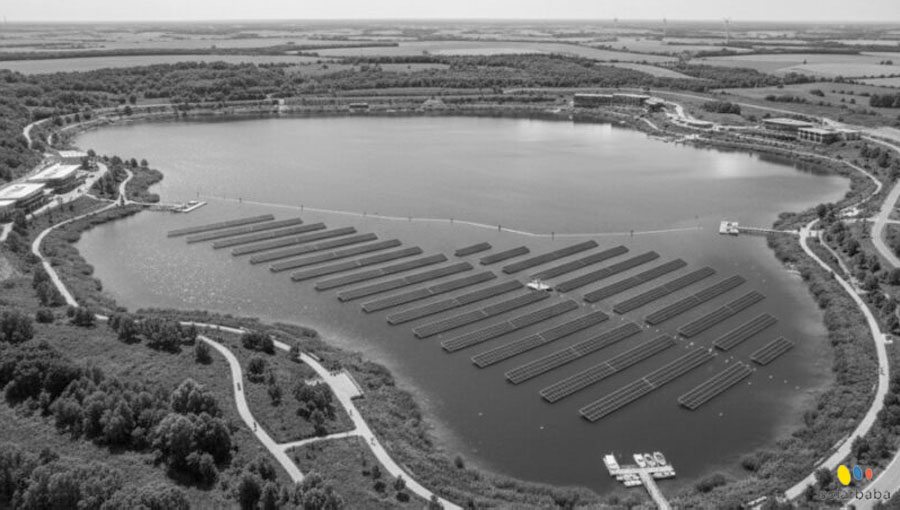
In the German state of Brandenburg, the Cottbus-Nord site, which operated as a lignite mine for more than three decades, is being transformed into the country’s largest artificial lake through a massive redevelopment project. Under the project known as “Cottbuser Ostsee” the former open-pit mine is turning into a multifunctional recreational destination with a surface area of 19 square kilometers and a 26-kilometer shoreline. With the flooding process that began in 2019, the region is preparing to host a new ecosystem that will serve a wide range of purposes, from tourism and fishing to nature conservation areas and floating solar power facilities.
After supplying coal to the Jänschwalde power plant for more than thirty years, the Cottbus-Nord open-pit mine ceased operations at the end of 2015 and entered a large-scale ecological restoration process. Through this extensive rehabilitation project led by LEAG, the site once the region’s smallest active mining area has now become Germany’s largest post-mining artificial lake. As part of the project, millions of cubic meters of soil were moved in a major engineering operation to reshape the lakebed and stabilize the shoreline.
More than 80 percent of the lake’s water supply comes from the Spree River, while the remainder is provided through rising groundwater levels. The water intake process is strictly regulated by state authorities in order to protect the ecological balance of the river. Water transfer operations are carried out mainly during winter months and periods of high river flow, with the aim of maintaining the lake’s water quality without the need for additional treatment. Current projections indicate that the lake will achieve an ideal pH value between 7 and 7.8, along with water clarity reaching depths of up to eight meters.
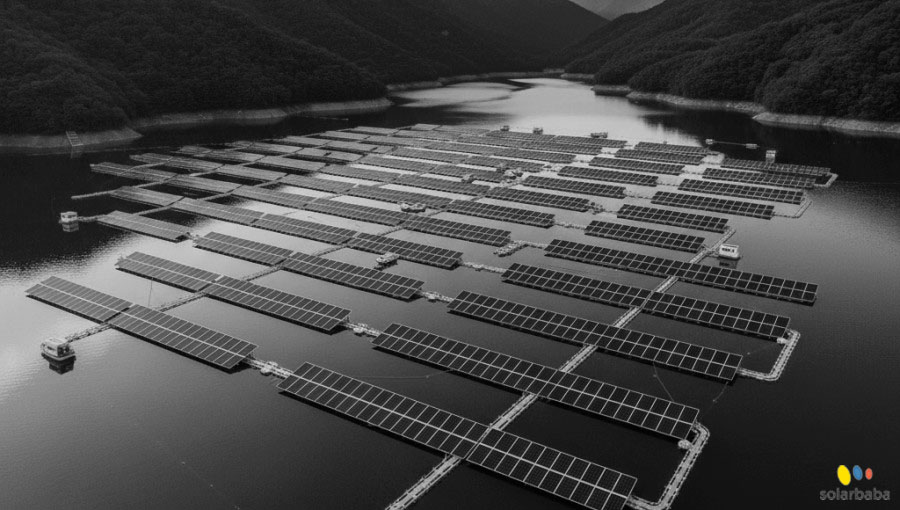
Cottbuser Ostsee is being planned with a multifunctional vision that extends far beyond being merely a body of water. The western and southern shores are expected to support tourism with harbors, water-skiing facilities, and cycling routes, while the eastern shore has been entirely designated for wildlife and nature conservation. This protected area will provide a safe habitat for migratory birds and various aquatic species. In addition, the lake’s vast surface area offers significant potential for floating solar panel installations designed not to interfere with local recreational activities.
As of late 2024, the lake reached its target water level for the first time, while shoreline stabilization works and the construction of outlet structures connecting the lake to the regional water network continue. Observation points such as the 30 meter viewing tower in Merzdorf already allow residents and visitors to witness the scale of the transformation project. However, official approvals are still required before the lake can be opened to public use. For safety reasons, access to the lake area will remain prohibited until all permits are finalized.
Source: Solarbaba – In Turkish