



As 2026 begins, the global climate calendar is already taking shape around a defining milestone. Following its agreement with Australia, Türkiye will host COP31 in Antalya, placing the country at the center of international climate diplomacy as attention transitions from pledges to delivery. Under the arrangement reached at COP30 in Belém, Türkiye will serve as the official host and COP President, responsible for the overall conference, logistics, and leadership of the World Leaders Summit. In parallel, Australia has been appointed President of Negotiations, with delegated authority to guide the negotiations agenda, draft texts, and convene consultations on behalf of the COP31 process from the end of COP30 through the summit itself. This partnership also includes a pre-COP gathering in the Pacific, reflecting a commitment to elevate the voices of climate-vulnerable island nations.
For Türkiye and the broader region, hosting COP31 represents more than a diplomatic achievement. It creates a rare platform to demonstrate how emerging economies can lead on climate ambition while pursuing economic resilience, competitiveness, and social well-being. From energy systems to industrial transformation, finance to workforce development, and climate resilience to international cooperation, the summit will bring global attention to the full spectrum of the transition challenge.
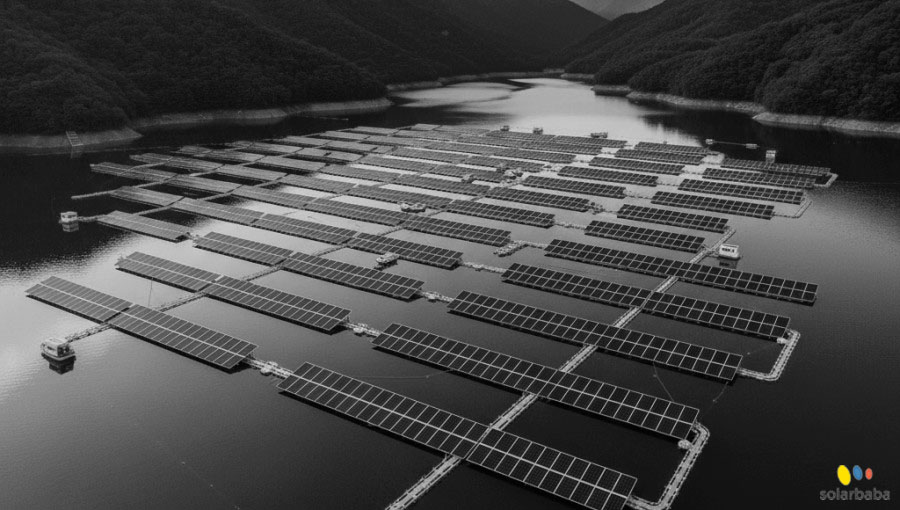
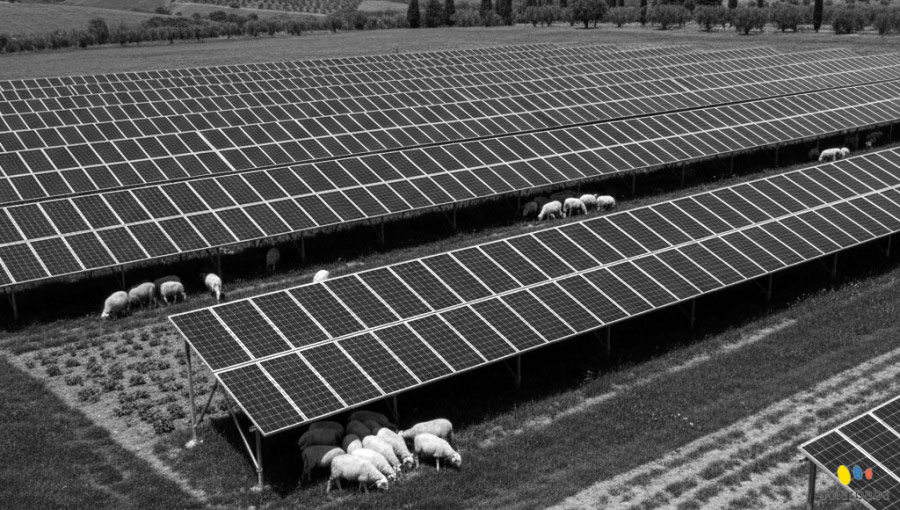
At the heart of the agenda will be energy. Renewable deployment, energy storage, grid flexibility, and emerging clean fuels are no longer peripheral topics but central to national and regional strategies. Industrial decarbonization will be a priority, particularly for sectors where emissions are hardest to abate and where innovation and policy must converge to unlock transformation.
Cities and communities will also be in focus. Sustainable mobility, resilient infrastructure, and nature-based solutions reflect the growing recognition that climate action is increasingly local in its impacts and implementation. Finance will remain a cross-cutting theme, with emphasis on mobilizing investment that supports adaptation, innovation, and equitable growth — particularly in emerging markets and regions facing acute vulnerabilities.
Equally important will be the social dimensions of climate action. COP31 is poised to emphasize job creation, skills development, and inclusive access to opportunity, ensuring that climate measures support youth, women, and historically underserved communities. International cooperation will tie these strands together, connecting governments, businesses, local authorities, and civil society around practical and scalable solutions.
Against this backdrop, COP31 Türkiye Brief has been launched as an editorial platform designed to follow the process with clarity and independence. It offers an open look at COP31, through Türkiye’s lens, with voices from across the field. The aim is not advocacy, but context and insight: to examine how global climate negotiations intersect with energy transition, policy design, and implementation across regions before, during, and beyond the summit.
The publication’s formats are structured to meet different reader needs. Briefs provide clear, curated summaries of key developments and their implications. Dispatches capture real-time reporting from the conference floor. Voices and Community create space for expert perspectives that span disciplines and contexts. Explainers untangle complex terms and issues shaping the agenda, while Reports and Interviews add analytical depth and firsthand insight.
As the world enters another year defined by climate urgency, the task ahead is familiar but unforgiving. The measure of success will no longer be ambition alone but tangible progress, measurable impact, and real-world implementation. For Türkiye and its partners, hosting COP31 presents an opportunity to demonstrate that collective action — grounded in practical cooperation and clear intent — can move the needle in the decade of delivery.