
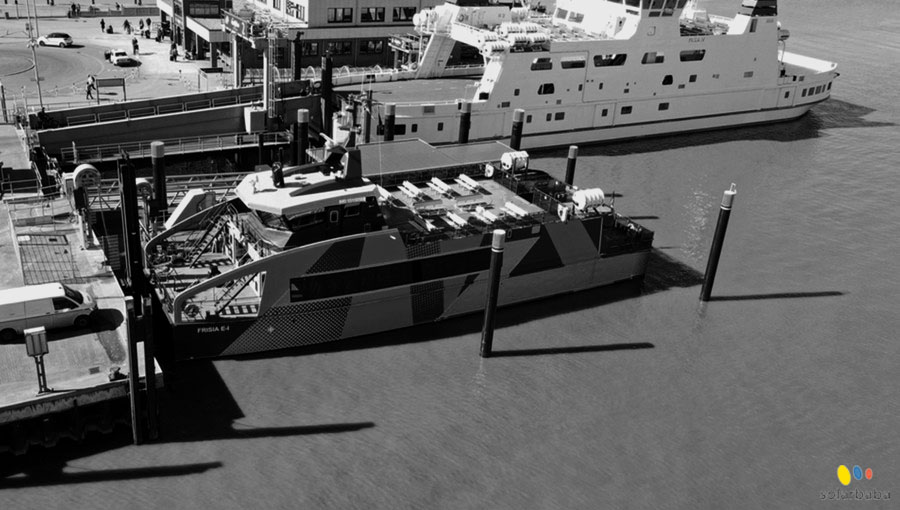
Germany is launching an innovative project that uses the batteries of parked electric vehicles to help power electric ferries. The initiative, called “BIDI-EL,” utilizes Vehicle-to-Grid (V2G) technology to transform port parking areas into decentralized energy hubs. Led by Osnabrück University of Applied Sciences in cooperation with AG Reederei Norden-Frisia, the project combines solar power with energy stored in electric vehicle batteries to create a sustainable infrastructure for the CO2-neutral ferry Frisia E-I, which will operate between the East Frisian Islands.
Designed to support the decarbonization of maritime transport in Germany’s North Sea region, the BIDI-EL project treats electric vehicles as mobile energy storage units. Supported by approximately $200,000 in funding from the German Federal Environmental Foundation (DBU), the initiative converts ferry terminal parking lots into active energy centers. While parked, electric vehicles can feed energy back into the port’s charging infrastructure, creating a decentralized storage network capable of meeting the high energy demands of electric vessels.
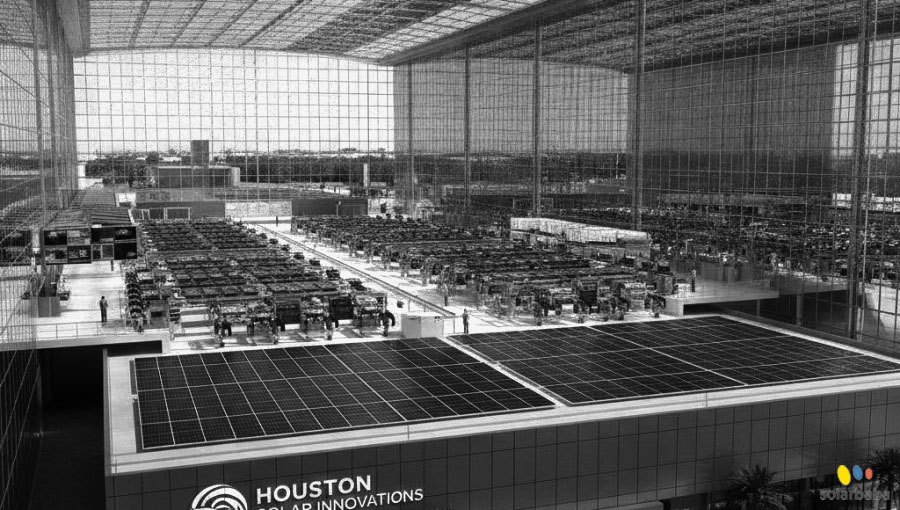
At the heart of the system is the fully electric passenger ferry Frisia E-I, scheduled to enter service in early 2025. The 32-meter catamaran is designed to transport up to 150 passengers on the 30-minute route between Norddeich Mole and the island of Norderney. To maintain its CO2-neutral operation, the port infrastructure includes a large 1,700-kilowatt-peak (kWp) solar installation and stationary battery storage systems commissioned in 2024. Energy supplied by parked vehicles helps maximize the use of locally generated renewable electricity while reducing pressure on the regional power grid.
The research team, led by Professor Hans-Jürgen Pfisterer and Kai-Michael Griese, stated that the project will continue until January 2027 and will focus on evaluating both its commercial and environmental viability. By demonstrating that bidirectional charging technology can support heavy transportation applications, the team hopes to provide a scalable blueprint for the decarbonization of global maritime transport. With more than 140 years of history, AG Reederei Norden-Frisia is using the project to accelerate its transition from conventional fuels to future-ready sustainable mobility solutions.
Source: Solarbaba – In Turkish