
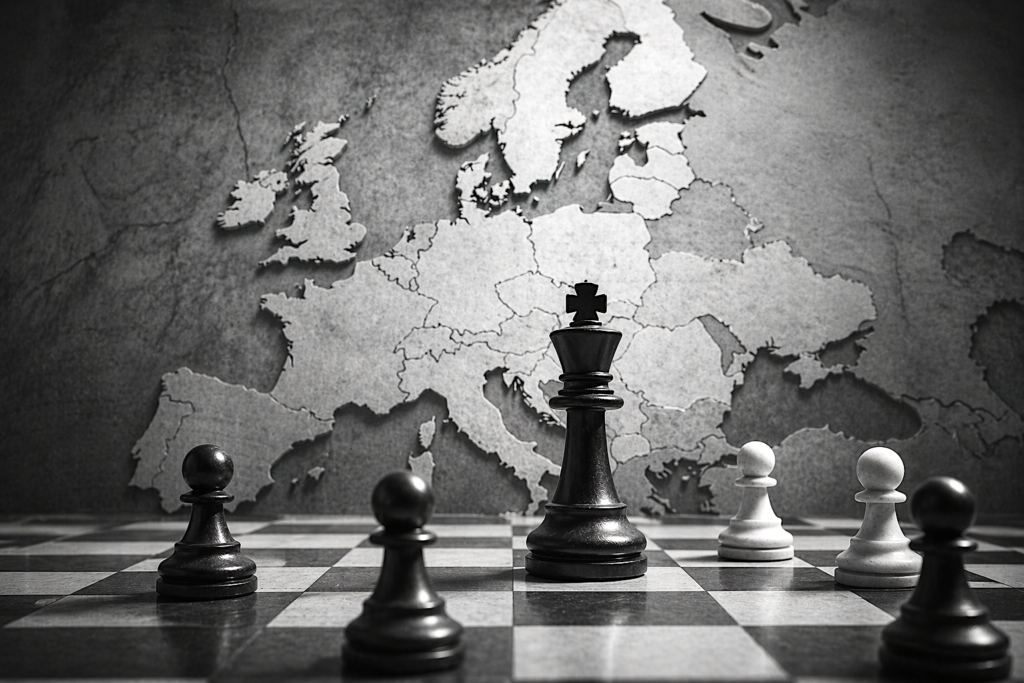
Issued by the European Commission in Brussels on 29 January 2025, A Competitiveness Compass for the EU is presented as a roadmap for growth. But its real subject is power. Beneath the language of productivity, innovation and market reform lies a deeper anxiety: that Europe is losing the economic foundations of its political influence. The world that once supported the European model — cheap energy, open trade, relative geopolitical calm — is gone. What replaces it is harsher: subsidy races, technological rivalry, fragile supply chains and strategic competition between major powers.
The Commission’s diagnosis is unusually direct. Europe still has enormous strengths: a highly skilled workforce, world-class research, deep pools of savings, and the scale of the Single Market. But it is no longer converting those advantages into industrial leadership. It produces patents, yet too few become commercially successful technologies. It nurtures start-ups, yet too few grow into firms of global scale. It sets regulatory standards, yet often struggles to lead in the industries those standards are meant to shape. At the same time, European companies are squeezed by high energy prices, regulatory complexity and intensifying competition from economies willing to spend more aggressively to back their industries.
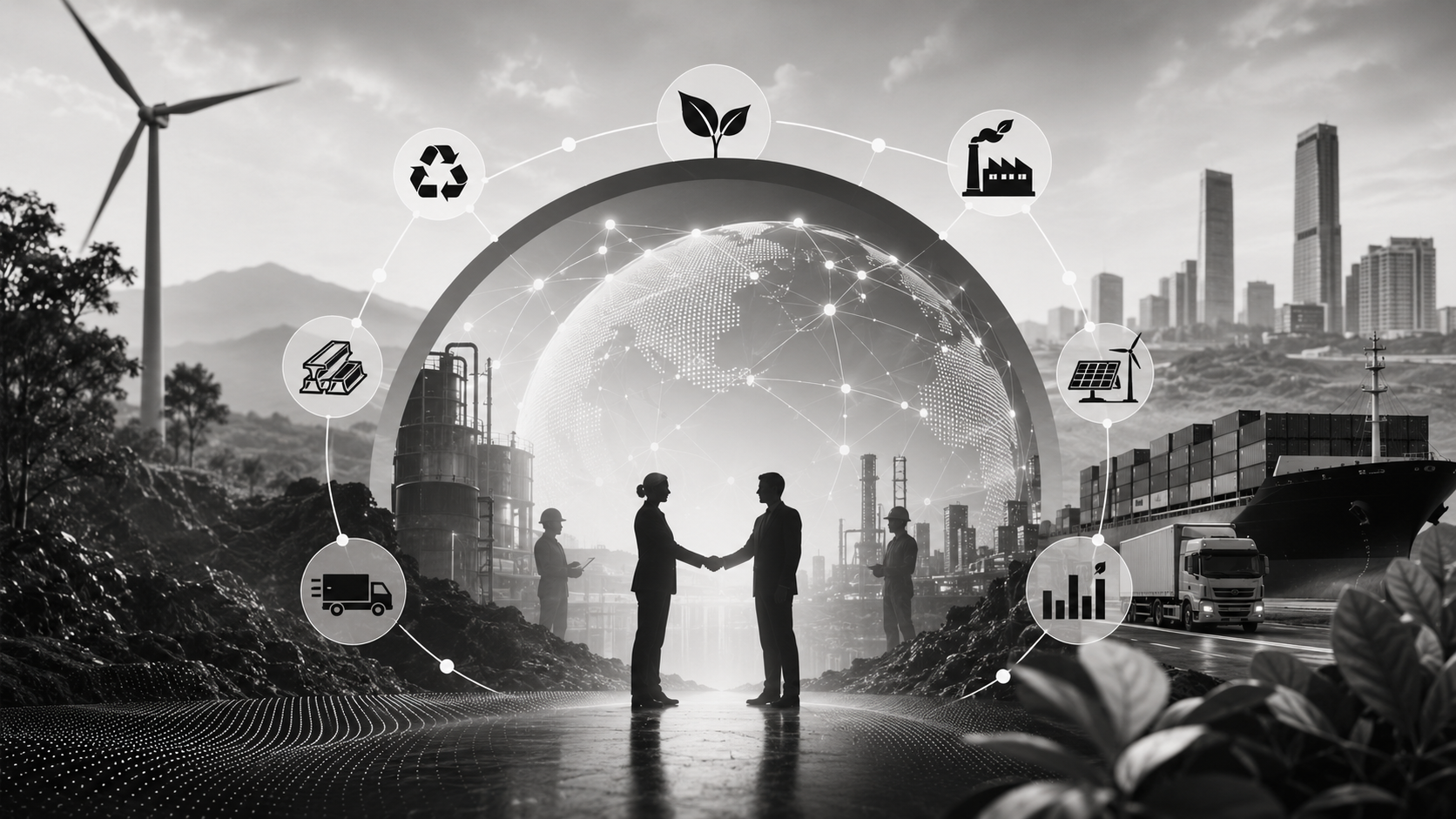
That is why the Compass is structured around three large priorities. The first is closing the innovation gap. The second is aligning decarbonisation with competitiveness. The third is reducing excessive dependencies and strengthening security. Together, these pillars reflect a new European consensus: that innovation policy, industrial policy, climate policy and economic security can no longer be treated as separate conversations. Europe’s ability to prosper now depends on whether it can act strategically across all of them at once.
The first pillar, innovation, is where the Commission sees Europe’s deepest structural weakness. The problem is not scientific capacity. It is commercial scale. Europe has ideas, but too often fails to build the financing, legal simplicity and industrial ecosystem needed to turn them into market power. That is why the report points to a Start-up and Scale-up Strategy, a European Innovation Act, stronger research coordination, and new initiatives around AI, quantum, biotech, advanced materials and digital infrastructure. The ambition is clear: Europe no longer wants to be merely a place where future industries are researched. It wants to be a place where they are financed, manufactured and globally deployed.
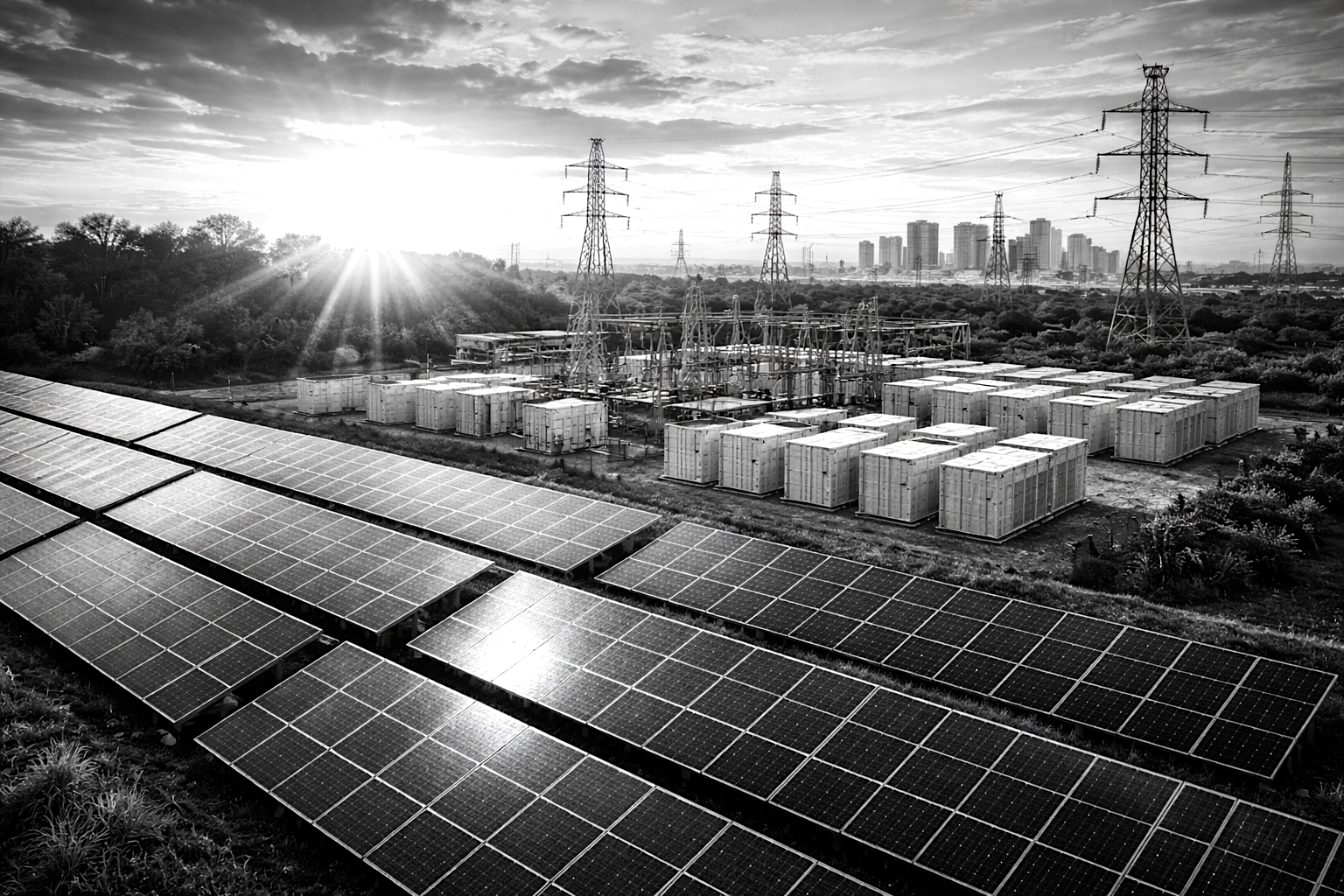
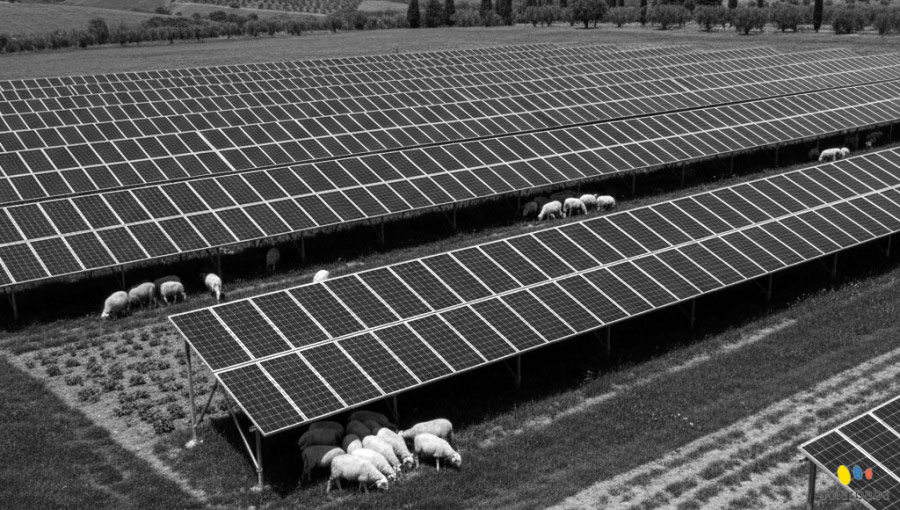
The second pillar, decarbonisation, is framed not as a trade-off against competitiveness but as a test of whether Europe can make climate ambition economically durable. The document argues that the clean transition will only succeed if it also makes Europe a stronger place to invest and produce. That is why it links the Clean Industrial Deal to lower energy costs, support for energy-intensive sectors, stronger grids, faster electrification and demand for low-carbon products. The message is subtle but important: the green transition cannot survive politically if it is seen only as a cost. It has to become a source of industrial renewal.
The third pillar reflects the geopolitical turn in European thinking. Dependence is no longer viewed simply as an economic efficiency. It is a vulnerability. The report highlights risks tied to critical raw materials, semiconductors, medicines, fertilizers and energy, while also arguing for stronger trade partnerships, joint purchasing tools and a more assertive use of public procurement and economic security instruments. In that sense, the Compass is not calling for Europe to retreat from global trade. It is calling for Europe to engage more strategically, with a clearer understanding that openness without resilience can become a liability.
What gives the document its political weight is that it does not stop at broad ambition. It also acknowledges why Europe keeps underperforming: fragmentation, slow decision-making and an excess of complexity. So alongside its three major pillars, the Commission promises simpler rules, a deeper Single Market, better use of Europe’s savings, stronger capital markets, more attention to skills and jobs, and tighter coordination between national governments and Brussels. This is an admission that Europe’s competitiveness problem is not just about having the right goals. It is about whether Europe can move with enough speed and cohesion to achieve them.
The deeper argument of the Compass, then, is not only that Europe needs faster growth. It is that Europe needs economic strength to preserve its social model, finance its transitions and remain politically relevant in a more hostile world. Competitiveness, in this framework, is not a narrow business concern. It is the condition for sovereignty. The Commission is effectively saying that if Europe cannot innovate, build and secure what matters, it will increasingly live inside a global order shaped by others.
That is why this document matters. A Competitiveness Compass for the EU may read like a policy communication, but it is really a statement about Europe’s place in the world. Its central claim is that prosperity, resilience and power now depend on the same thing: whether Europe can regain the capacity to act economically at scale. The question is no longer whether the bloc understands the challenge. It is whether it can respond before strategic decline hardens into the new normal.