



Energy efficiency has long been recognized as one of Türkiye’s most cost-effective tools for reducing energy imports and emissions. Yet despite supportive policies and public incentives, the market has struggled to scale.
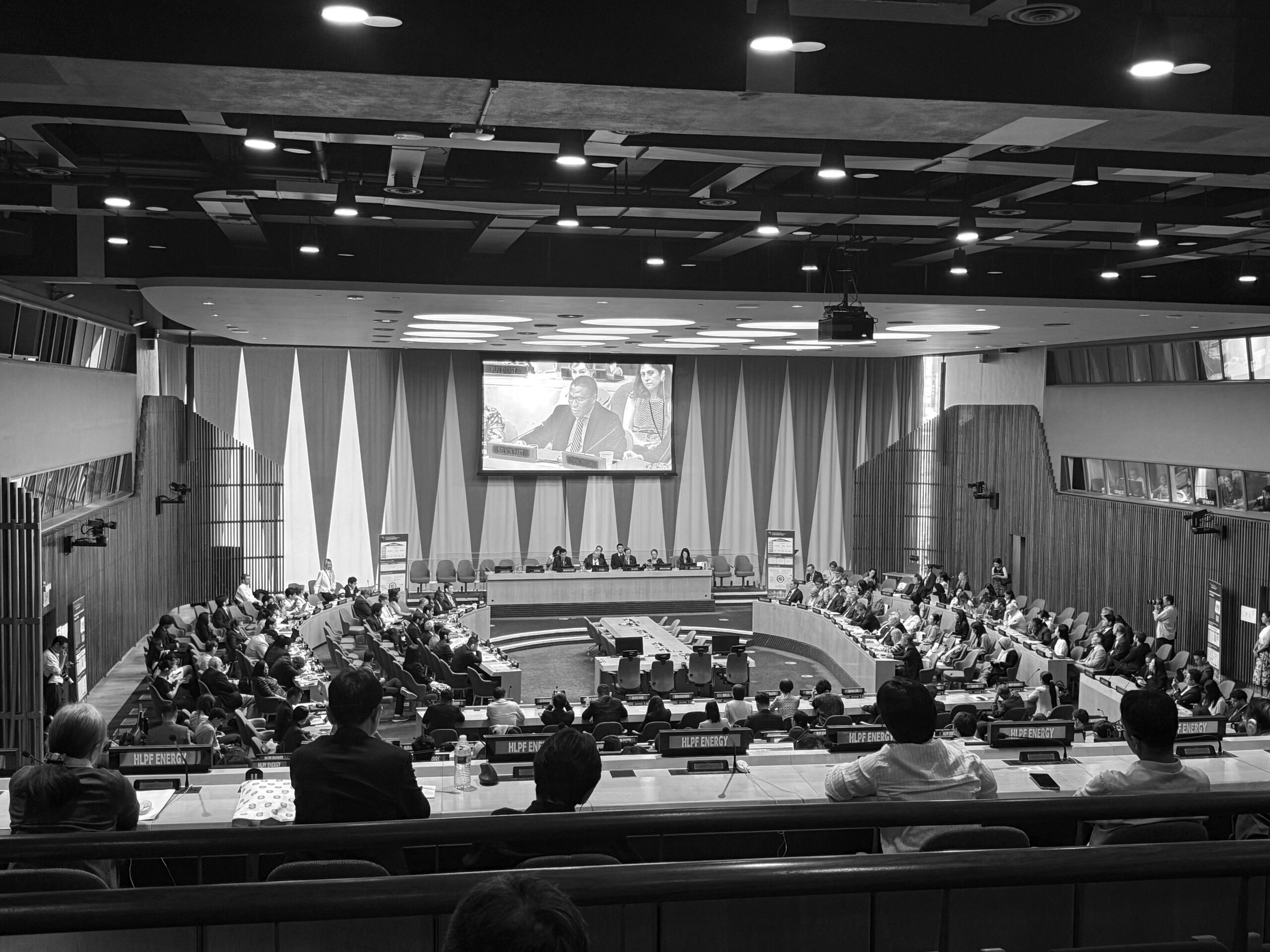
The EYODER 15th Anniversary Workshop, held on 9 January 2026 with broad participation from public authorities, industry, finance, academia, and civil society, offers a clear diagnosis of why.
The core problem, participants concluded, is not a lack of funding. It is a lack of trust.
Why Projects Fail to Scale
Across sectors and stakeholder groups, the same barriers surfaced repeatedly. Energy efficiency projects stall not because they are uneconomic, but because they are difficult to trust, compare, and verify.
Participants identified four structural obstacles holding the market back:
- Inconsistent quality of energy audits and project proposals
- Unclear baseline consumption definitions and acceptance criteria
- Weak measurement and verification practices
- Insufficient payment security and unbalanced risk allocation in contracts
Together, these issues prevent the formation of a bankable project pipeline. The workshop’s most widely shared conclusion was succinct:
Without standardization, there is no trust. Without trust, there is no financing.
When Incentives Are Not Enough
The workshop paid particular attention to Energy Efficiency Improvement Project (VAP) supports. While these incentives remain important, participants noted that in a high-inflation, high-interest environment, VAPs often fail to trigger investment decisions.
Uncertainty around approval timelines and payment schedules erodes confidence, even when technical savings are clear. As a result, public support risks becoming symbolic rather than catalytic.
Proposed remedies focused on cash-flow certainty and financial integration, including advance payments, milestone-based disbursements, dedicated financing lines, and closer coordination with commercial banks.
The message was consistent: speed and predictability matter as much as subsidy levels.
From Consultants to Energy Service Companies
Another recurring theme was the transition from energy efficiency consultancy (EVD) models to full energy service company (ESCO) structures.
Participants emphasized that this shift requires more than technical competence. Financial literacy, risk management, contractual capability, and creditworthiness are equally critical. Without a clear framework defining minimum ESCO qualifications and responsibilities, performance-based models remain difficult to finance and scale.
Can Public Contracts Lead the Market?
Public-sector energy performance contracts (EPCs) were widely seen as a potential market-making instrument, but only if redesigned.
Standardized tender documents, transparent price adjustment mechanisms, balanced penalty and guarantee structures, and clear payment security were identified as prerequisites. Without these elements, public EPCs risk reinforcing uncertainty rather than reducing it.
Properly designed, however, they could set benchmarks for the private sector and accelerate market maturation.
A Systemic Challenge, Not a Technical One
Perhaps the most important insight from the workshop is that energy efficiency is not primarily a technical challenge. It is an institutional and market-design challenge.
Trust, transparency, and verification emerged as the true levers of scale. Participants repeatedly returned to the same principle:
Scalability depends on credibility, and credibility depends on verifiable savings.
The EYODER workshop demonstrates that Türkiye’s energy efficiency potential remains substantial. Unlocking it will require less focus on new instruments and more attention to making existing ones reliable, predictable, and bankable.
In that sense, the path forward is not about reinventing policy, but about fixing the market architecture that policy relies on.