

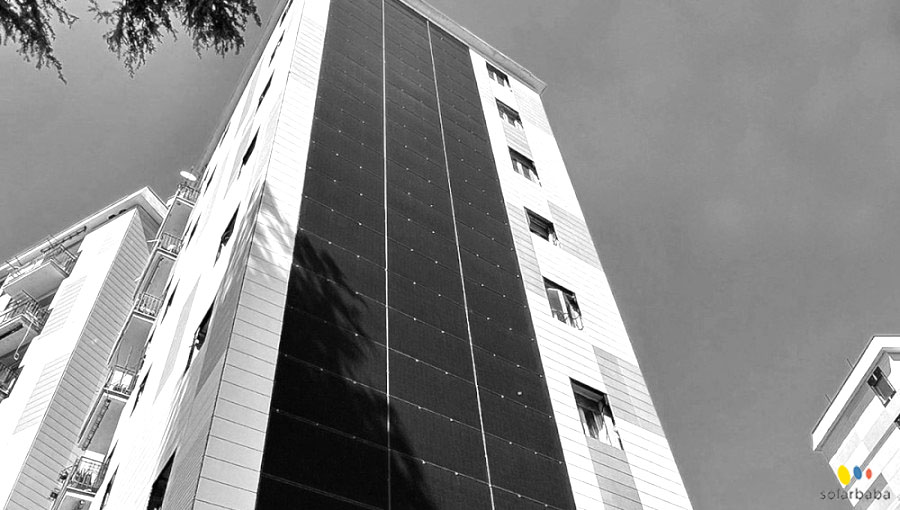
Modern cities have limited rooftop space, which is increasing the importance of vertical surfaces in the transition to clean energy. Industry leaders such as the Spanish manufacturer Eurener are pioneering this transformation with high-efficiency solar panel solutions optimized for densely populated urban areas. Facade systems that deliver strong performance especially under low-light conditions and during winter months maximize buildings’ energy generation potential while preserving architectural aesthetics. This technology is becoming one of the cornerstones of sustainable urban planning in the European market, aiming to increase property value and energy independence.
Urban densification is making conventional rooftop installations insufficient to meet the growing demand for renewable energy. Vertical integration systems developed in response to this challenge offer a scalable alternative by transforming the broad exterior surfaces of buildings into power plants. With more than 25 years of experience in the sector, Spanish manufacturer Eurener is responding to this need with specialized products that combine high energy output with seamless architectural integration. The company’s Ultra Premium and NEXA series are produced with sleek black designs to meet both the aesthetic and technical requirements of modern facade projects.
Using N-type solar cell technology, the Ultra Premium series stands out in areas with limited direct sunlight, offering 400 W and 440 W options. These solar panel systems maintain high performance even under diffuse radiation and overcast sky conditions, providing stable year-round energy yield in markets such as Northern Europe. Another important part of the series, the NEXA solar panel line, reaches a capacity of 450 W thanks to its double-glass technology. This durable structure resists harsh climatic conditions such as extreme cold and heavy snow loads, significantly extending the system’s operational life.
Photovoltaic facades offer clear operational advantages over conventional systems, in addition to improving energy efficiency. Since snow and dirt are far less likely to accumulate on vertical panels during winter months, uninterrupted power generation can continue even when rooftop panels are covered. Moreover, the aesthetic integration of these systems into buildings is seen as a critical factor that increases property value for investors focused on sustainable assets. Combined with government subsidies and favorable tariffs across Europe, investments in solar-powered facades are becoming more economically attractive while paving the way for a more resilient urban energy grid.
Source: Solarbaba – In Turkish