
During a visit to Kuala Lumpur, I encountered an urban-regeneration story that began not with a blank site, but with land damaged by decades of extraction.
I did not travel to Kuala Lumpur specifically to study a sustainable city. I went to attend the GBA–ASEAN Conference on Energy Transition and Integration, held at the Sunway Resort Hotel on 29 and 30 July 2026.
The conference focused on the emerging energy relationship between ASEAN and China’s Greater Bay Area. Discussions moved across borders, electricity systems, supply chains, finance and regional cooperation. In my earlier article, “Asia’s Next Energy System Is Being Built Across Borders”, I reflected on a central message from the conference: Asia’s energy transition will depend on countries connecting their infrastructure, markets and investment strategies.
Yet while staying in Sunway City, I realised that the place hosting these discussions carried its own story of integration.
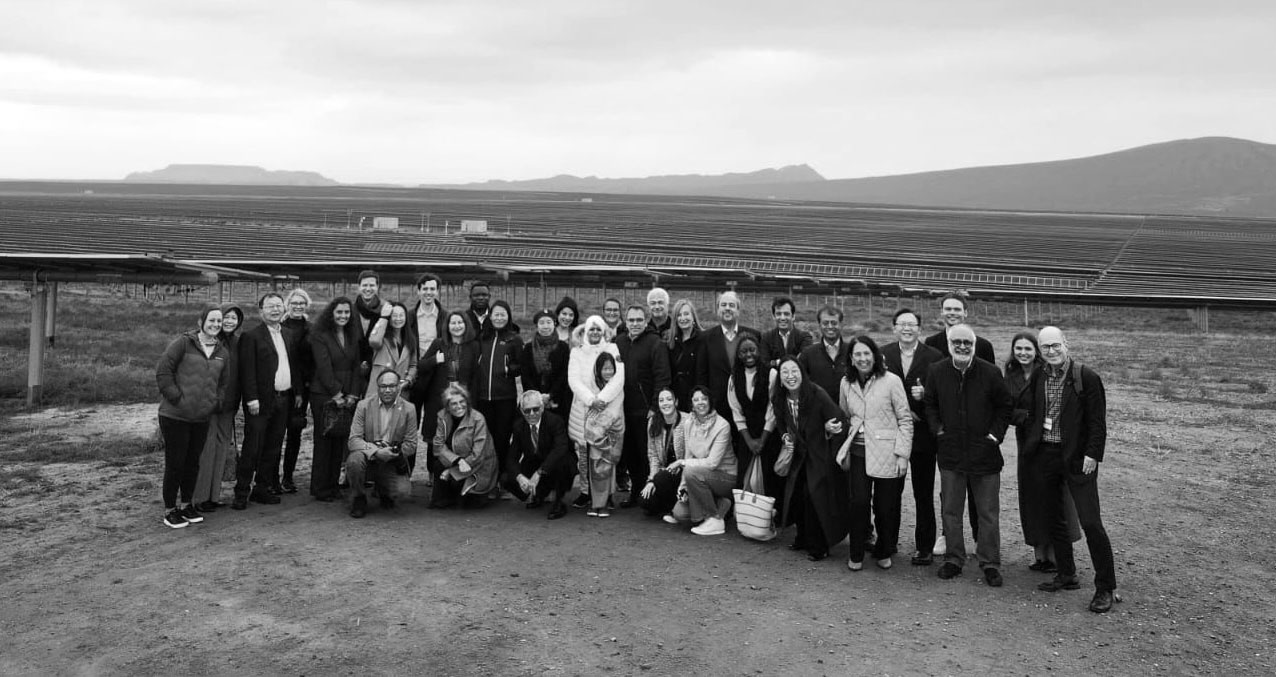
On the second day, I joined a sustainability walk hosted at Sunway University as an extension of the conference programme. Organised with the Asian Strategy and Leadership Institute and led by the Sunway Group Sustainability Team, the approximately three-kilometre route introduced us to the city’s vertical-farming initiatives, water-security systems, circular-waste practices and low-carbon mobility infrastructure.
For me, however, the most powerful part of the walk was not a particular technology or building. It was the history of the land itself.
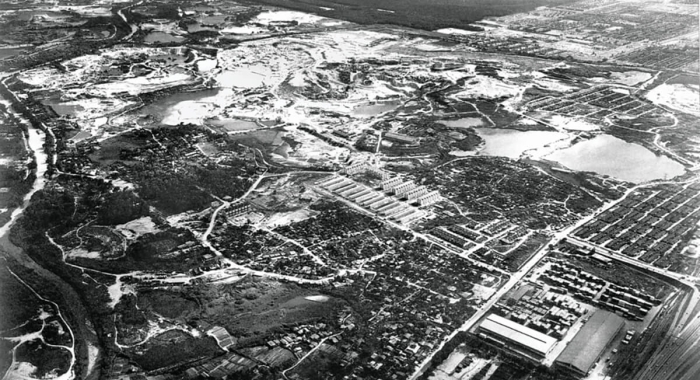
Only a few decades ago, this area was a tin-mining wasteland. The landscape had been stripped and scarred by extraction, leaving behind barren ground, gravel, mud and disused mining pools.
Sunway Group was founded in 1974 with roots in tin mining, quarrying and construction. In the mid-1980s, it began developing its flagship township on this degraded site. What emerged was not simply a property development, but a long-term attempt to restore damaged land and give it an entirely new economic, ecological and social purpose. Sunway’s official history traces this transformation from a desolate mining landscape to Malaysia’s first fully integrated and sustainable township.
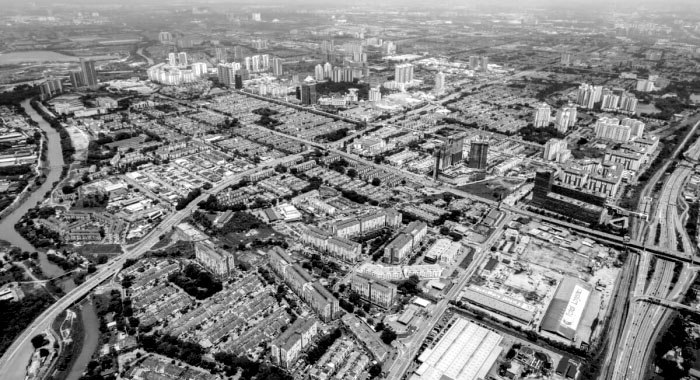
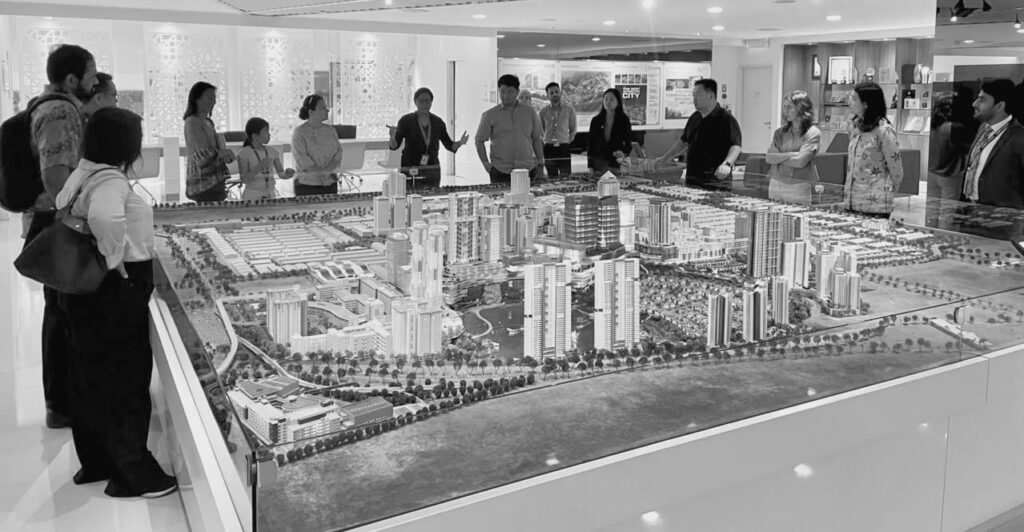
Today, Sunway City extends across roughly 800 acres, or 324 hectares. It contains homes, offices, universities, a major medical centre, hotels, retail areas, public spaces and leisure facilities. Sunway University and Monash University Malaysia sit close to Sunway Medical Centre, residential neighbourhoods, workplaces and Sunway Pyramid.
As someone working on green transition and sustainable-city strategies, I found this integration particularly important. We often assess urban sustainability through separate categories: energy, transport, buildings, water, waste and green space. Sunway City demonstrates what happens when these elements are treated as parts of one system.
Its 15-minute-city model is a good example. The objective is to make education, health care, employment, shopping and recreation accessible within a short walk, bicycle ride or public-transport journey. The result is a city where people can potentially live, learn, work, receive medical care and spend their leisure time without depending on a private car for every activity.
Mobility provides the connective tissue. Sunway’s Sustainable Intelligent Transport Ecosystem includes seven Bus Rapid Transit stations, electric buses operating on dedicated elevated lanes, integrated parking and approximately 4.3 kilometres of elevated canopy walkways. Together, these systems connect the city’s principal destinations and help place daily services within approximately 15 minutes of one another. (Sunway Group)
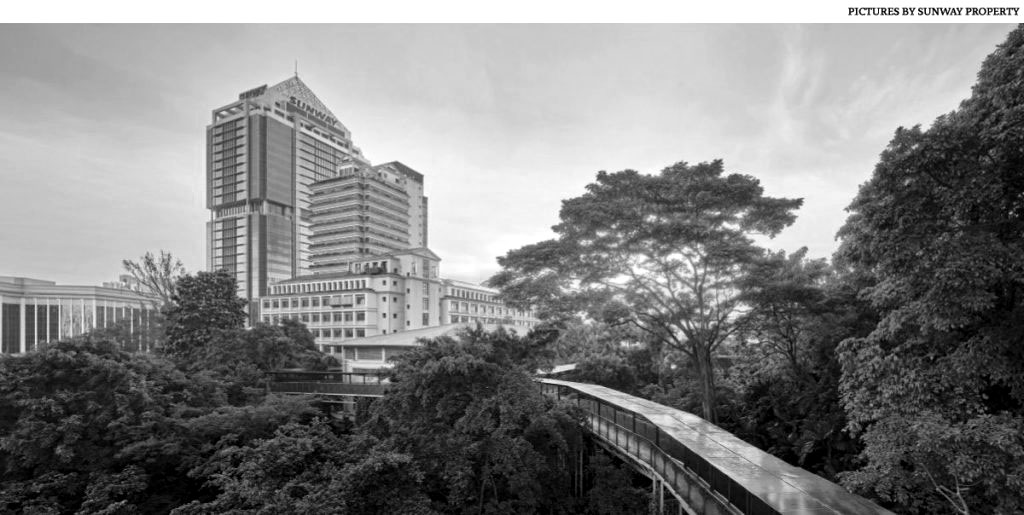
Walking beneath the tree canopy made the significance of this infrastructure immediately clear. In a hot and humid climate, pedestrian mobility depends on shade, safety and protection from heavy rain. A shaded walkway is therefore not a decorative addition. It is both low-carbon transport infrastructure and a practical form of climate adaptation.
The walkways are equipped with solar panels and energy-efficient lighting. Research cited by Sunway suggests that walking has become one of the three most frequently used modes of transport within the township. The company also reports that removing the Bus Rapid Transit system and canopy walkways could put approximately 1,000 additional cars on local streets every hour. (Sunway’s net-zero city overview)
Water tells another part of the story.
Former mining lakes have been rehabilitated and incorporated into the city’s water-management system. They collect stormwater, function as retention ponds and help reduce the risk of flash flooding. Water from South Quay Lake is treated and supplied to Sunway-managed properties. According to Sunway, the treatment plant can produce up to 8.5 million litres of potable water each day, strengthening the township’s resilience during interruptions to the municipal supply. (Sunway Group)
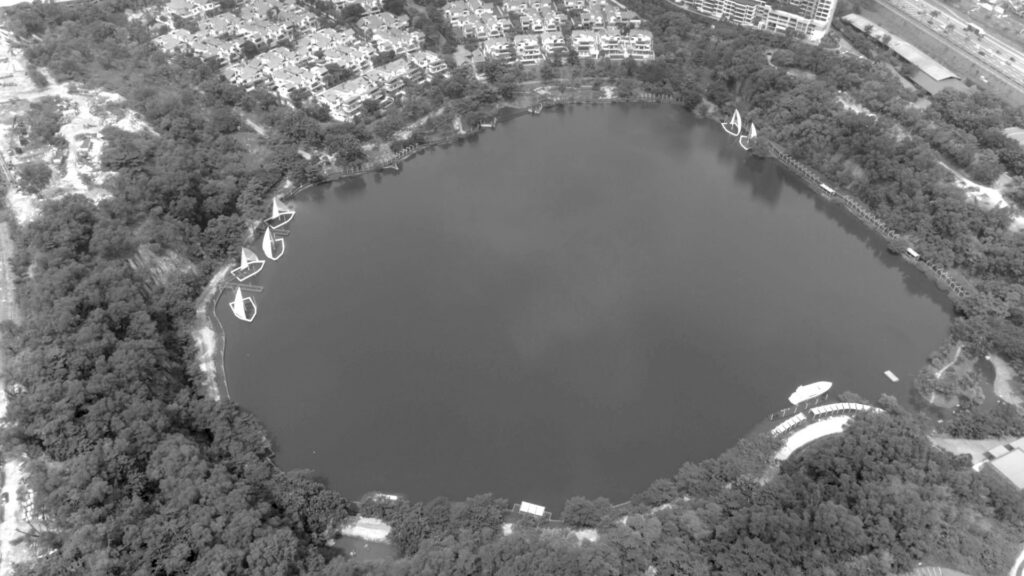
This is an important lesson for sustainable-city planning. Infrastructure inherited from an extractive past can sometimes be redesigned as an asset for climate resilience. A former mining lake can become part of a city’s water-security, flood-management and ecological-restoration strategy.
The transformation is also visible in the landscape. Sunway reports that green and blue areas now account for approximately 40 percent of the township. Around 30,000 trees support some 150 species of flora and fauna. According to the company, the restored urban ecosystem absorbs around 500 tonnes of carbon dioxide annually, while also providing shade, cooling, biodiversity and water retention. (Sunway Stories)
Sunway University supports the city’s approach to urban food production. FutureX Farm combines outdoor hydroponics, indoor vertical farming and aquaponics. Its hydroponic systems reportedly use around 90 percent less water than conventional cultivation, while producing food without soil or conventional pesticides and herbicides.
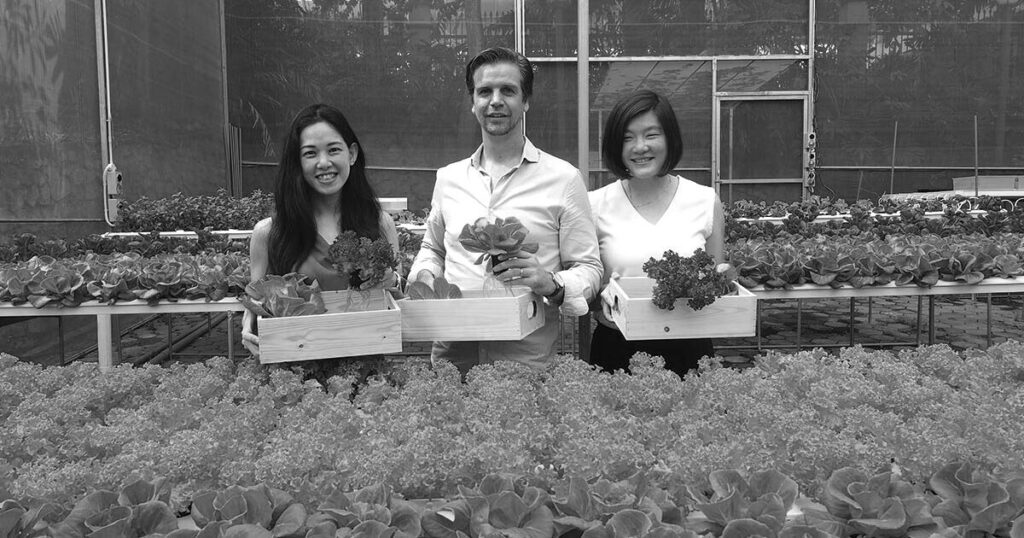
More than a source of fresh produce, FutureX Farm functions as a research, training and innovation space. It explores how rooftops, buildings and other underused urban areas can contribute to food security, while bringing production closer to consumers and shortening agricultural supply chains.
Circularity is also being introduced into daily operations. Food-waste composting systems at Sunway University, Sunway Pyramid and Sunway Resort Hotel processed more than 52,000 kilograms of food waste into approximately 8,500 kilograms of natural compost in 2022. The resulting material can be returned to the landscape as a soil conditioner. Waste from one part of the city thus becomes an input for another. (Sunway Stories)
Sunway’s transformation has received external recognition. In 2012, Sunway Resort City received Malaysia’s Green Building Index certification for townships. The Bandar Sunway project later received diamond recognition through Malaysia’s Low Carbon Cities programme. (Green Building Index, Malaysian Green Technology and Climate Change Corporation)
Still, no sustainable-city model should be accepted without scrutiny. Sunway is a privately master-planned township, which gives its developer greater ability to coordinate land use, investment and infrastructure than is usually possible in an established city with fragmented ownership and multiple layers of governance.
Its long-term success should also be evaluated through affordability, social inclusion, universal accessibility, public participation and independently verified environmental performance. A city can only be considered truly sustainable if the benefits of its transformation are widely shared.
But this does not diminish the value of the case. It clarifies what can be learned from it.
Sunway City shows that sustainability is most effective when it is integrated into the structure of everyday life. It is not enough to install solar panels on individual buildings or add a few electric buses to a car-dependent city. Land use, mobility, water, energy, food, waste, nature, education, health care and employment must work together.
This lesson is highly relevant for Türkiye as it prepares to host COP31. Türkiye has former mining areas, industrial brownfields and urban districts that need both environmental restoration and new economic purpose. These sites should not be treated only as liabilities or abandoned chapters of industrial history. With long-term vision, integrated planning and credible governance, they can become laboratories for a different model of urban development.
What stayed with me after the walk was the idea that Sunway City had effectively been built twice. The first landscape was shaped by extraction. The second was shaped by an effort to repair the damage and create a connected urban ecosystem.
That is perhaps Sunway’s most important contribution to the sustainable-city debate. The green transition is not only about constructing new places. It is also about healing old ones.