
President Mohamed Muizzu is expected to press for grant-based climate finance and a reassessment of how resilience investment is treated by lenders and credit-rating agencies.
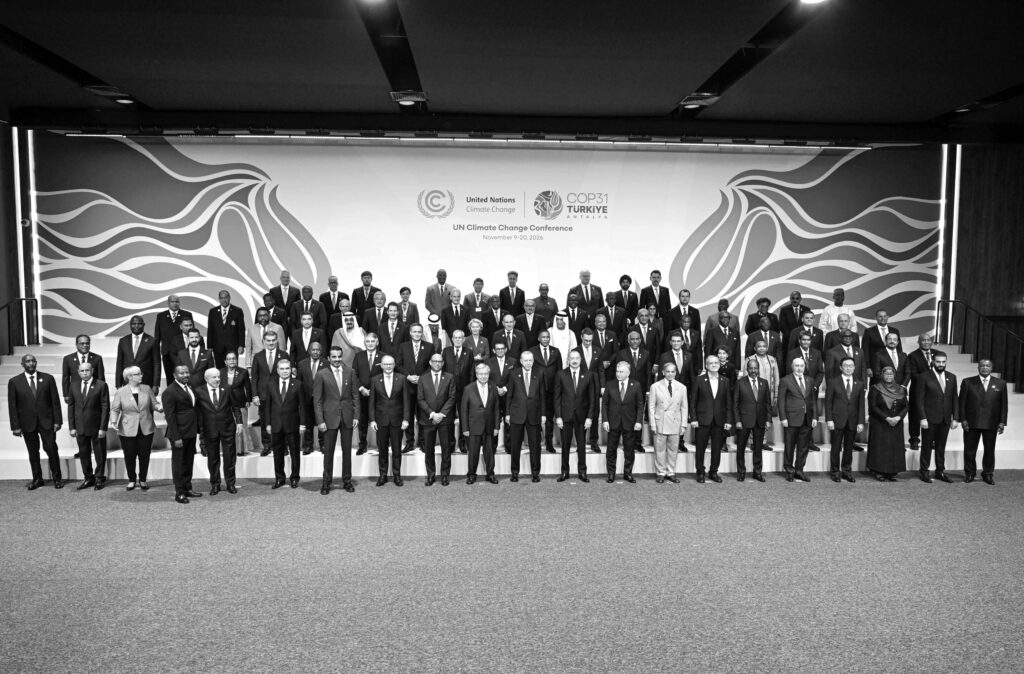
ANTALYA, Türkiye — The Maldives is using the COP31 Leaders’ Summit to put a financing question at the center of its climate diplomacy: how can a small island state protect its communities and infrastructure without adding debt it cannot sustain? President Mohamed Muizzu is attending the Antalya summit on 11–12 November, according to the Maldives Presidency’s announcement. He is scheduled to deliver the country’s national statement on 11 November and address coastal resilience the following day.
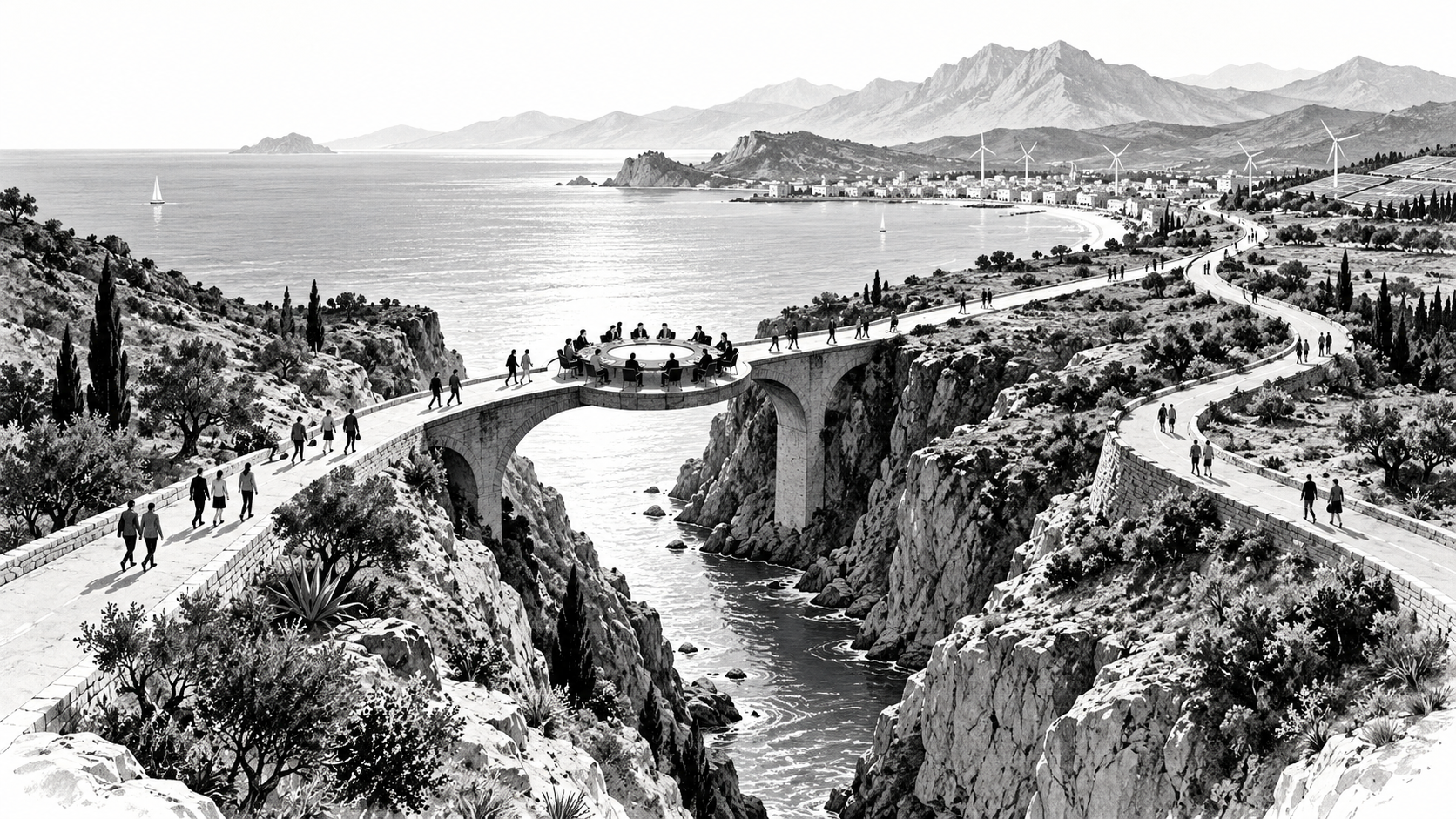
The sequence gives the Maldives an opportunity to connect a broad argument about international finance with the practical demands of protecting island communities. The government is expected to call for predictable, grant-based climate funding and for international financial institutions and credit-rating agencies to account more fully for resilience investment. The case is that spending to reduce future climate losses should be understood as investment in a country’s future, rather than recorded only as an added financial liability.
The financing gap behind resilience
The argument reflects a difficult feature of adaptation finance. Protective infrastructure, coastal measures and resilient public services require funding before their benefits are visible. Their value often lies in damage avoided, services maintained and communities protected over time. That can make projects harder to finance through instruments that depend on near-term revenues or on a borrower’s capacity to take on more debt. For vulnerable states, the terms of finance can therefore shape which projects move from plans to construction.
Muizzu’s proposed appeal also reaches beyond the volume of climate funding. It asks how risk is measured. If resilience spending is treated solely as a new fiscal burden, the assessment may not fully reflect the losses that investment could prevent. A change in that approach would require institutions to show how they evaluate the long-term economic and public value of adaptation, while still accounting for each country’s ability to repay. That is a debate about the rules and evidence used to allocate capital, as well as about who provides it.
The President’s background gives the infrastructure question a personal dimension: he is a civil engineer with a doctorate from the University of Leeds. The Maldives’ official profile and summit schedule frame coastal resilience as a matter of both development and climate protection.
Energy investment as part of the same agenda
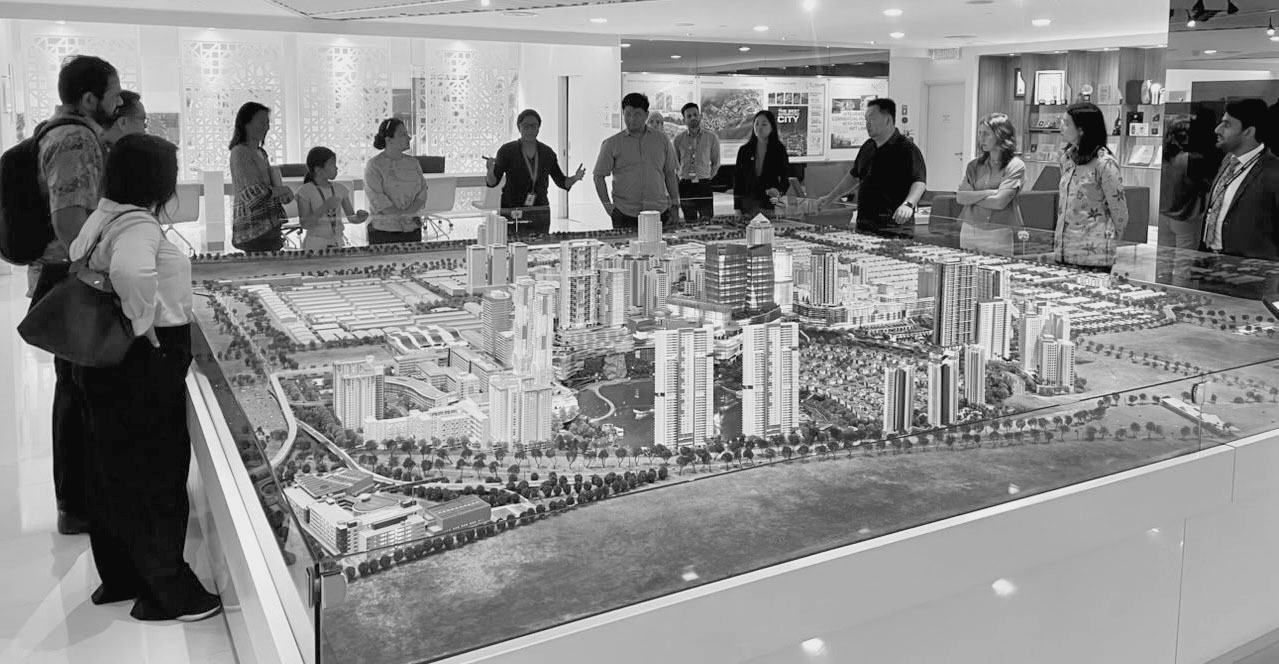
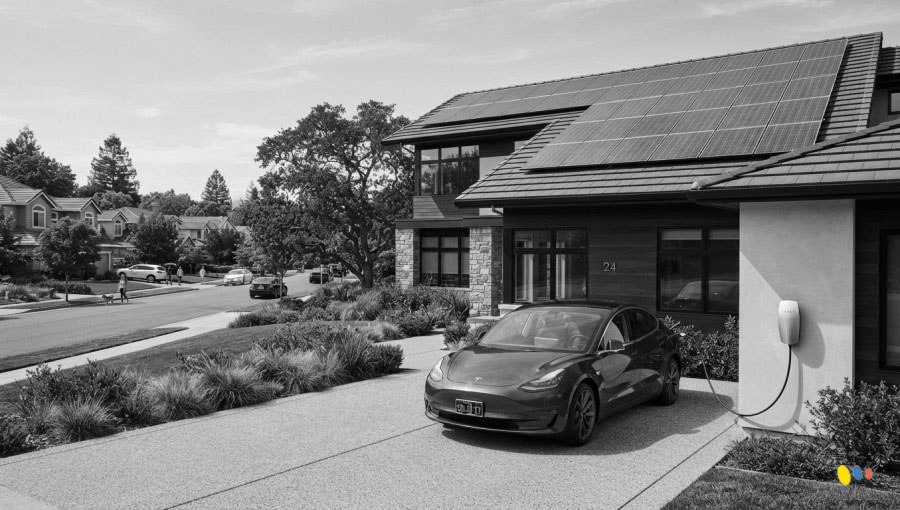
The Maldives’ clean-energy plans offer a second measure of how the financing debate will be tested in practice. Project Solar City is a planned 100-megawatt floating solar installation being advanced under a special economic zone framework. The government has linked the project to a target of meeting 33% of the country’s electricity needs through renewable energy by 2028. The project announcement describes the investment; the renewables target is also set out on the government’s investment promotion site.
The project remains planned, and the target will depend on delivery. Its scale nevertheless places energy transition alongside coastal resilience in the Maldives’ COP31 message. Both require investment over time, and both raise questions about financing terms, implementation capacity and how progress will be measured. For the summit, the relevant test is whether commitments to climate finance can support projects that are technically and financially deliverable without pushing vulnerable countries into unsustainable borrowing.
A Türkiye connection with a longer horizon
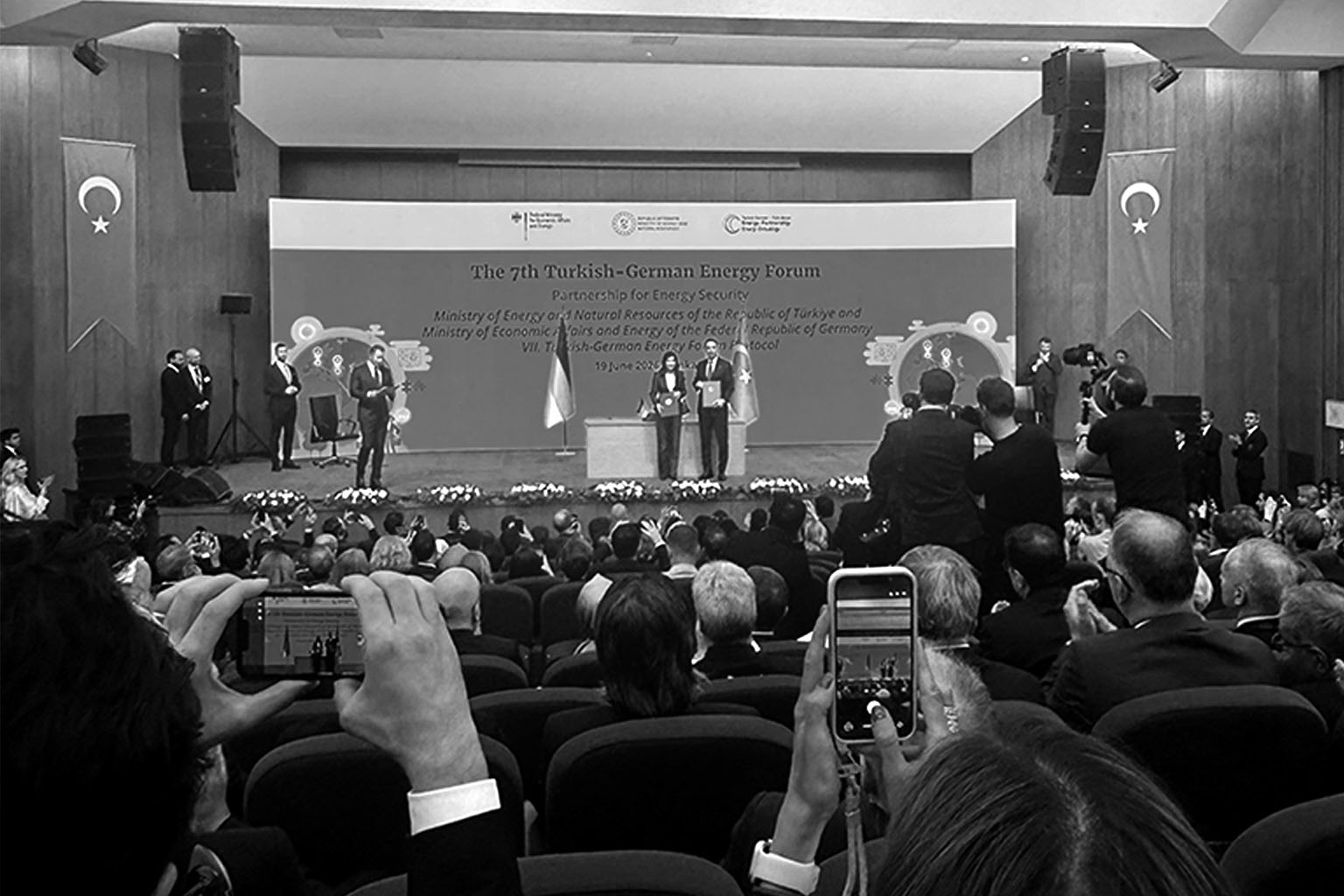
Muizzu’s return to Türkiye carries a diplomatic thread beyond the summit. Türkiye was the destination of his first official overseas visit as President in November 2023. During talks with President Recep Tayyip Erdoğan, the two governments identified renewable energy, trade and investment as areas for closer cooperation, according to the Presidency’s account of that visit. COP31 gives that relationship a climate-policy setting, linking bilateral clean-energy interests with a wider discussion about the financing conditions facing small island states.
The summit’s practical question is whether climate finance can recognize resilience as a source of long-term economic value while providing support on terms that do not compound vulnerability. The Maldives’ position makes that question explicit. Its answer will depend on whether the call for grants and revised risk assessments can be matched by institutions with the capital and processes to deliver them.
Officials available for interview
The communications team representing the Government of the Maldives has identified two officials for interviews on the President’s priorities and their implementation: Ali Shareef, Minister of Climate Change, Environment and Energy, on adaptation, clean energy and climate finance; and Mohamed Hussain Shareef, Chief Government Spokesperson, on the wider development agenda and international cooperation.