


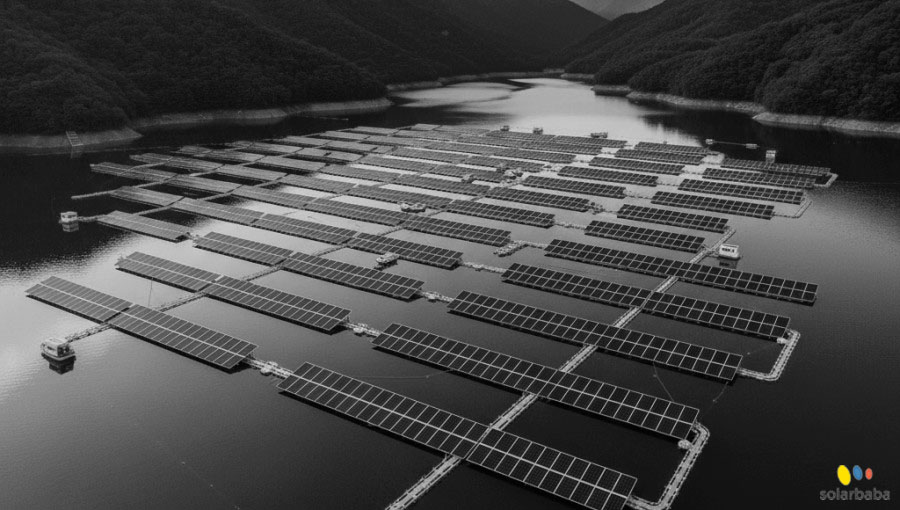
Vietnam’s state-owned power producer EVNGENCO1 has announced plans to develop a 270 MW floating solar portfolio across three hydroelectric reservoirs in Lam Dong Province. The projects, to be built at the Dai Ninh, Ham Thuan, and Da Mi reservoirs, are designed to expand the country’s renewable energy capacity while making more efficient use of existing hydropower infrastructure. By utilizing water surfaces instead of land, the initiative supports Vietnam’s Eighth Power Development Plan and aims to strengthen grid reliability through integrated clean energy generation.
A subsidiary of Vietnam Electricity (EVN), EVNGENCO1 is leveraging its existing hydropower assets to accelerate the deployment of floating photovoltaic (FPV) systems. The proposed projects include 96 MW at Dai Ninh Reservoir, 100 MW at Ham Thuan Reservoir, and 70 MW at Da Mi Reservoir. Together, the investments are valued at approximately 4.4 trillion Vietnamese dong and build upon the company’s experience gained from the successful operation of the 49 MW Da Mi floating solar plant, which has been generating electricity since 2019.
Floating solar technology is becoming an increasingly important solution across Southeast Asia, where the availability of suitable land for large-scale solar farms is often limited. By installing solar panels on existing reservoirs, countries can increase renewable energy production without competing with agricultural or urban land use. In addition, floating solar systems can reduce water evaporation while benefiting from the cooling effect of water, which may improve panel efficiency.
As the floating solar sector continues to expand, international technical standards are also evolving. Industry guidelines published by DNV covering system design, anchoring, maintenance, and operational safety are helping ensure the long-term reliability and performance of floating photovoltaic installations. Similar large-scale projects are also gaining momentum in neighboring countries, reinforcing floating solar as a key technology in Southeast Asia’s clean energy transition.
Source: Solarbaba – In Turkish