


Energy storage is the fastest-growing technology on the power grid, and one of the most argued-about. Whether it helps or hurts the climate depends less on the battery itself than on how, where, and what it is built from.
Few technologies have grown as fast as battery storage. In 2025 alone, the world added 108 gigawatts of new battery capacity — about 40% more than the year before, and roughly eleven times what was installed in 2021, according to the International Energy Agency (IEA). That single year of growth was larger than the best year the world has ever had for new gas-fired power plants. Batteries have stopped being a side project. They are now part of the backbone of the grid.
But not everyone is cheering, and the doubts are fair. Building a battery takes minerals and energy. Storing power and giving it back wastes a little of it along the way. And in the wrong conditions, a battery can actually push a grid’s emissions up instead of down. So the honest question isn’t whether batteries are impressive. It is whether they really help us fight climate change — or quietly work against it.
The case for opportunity
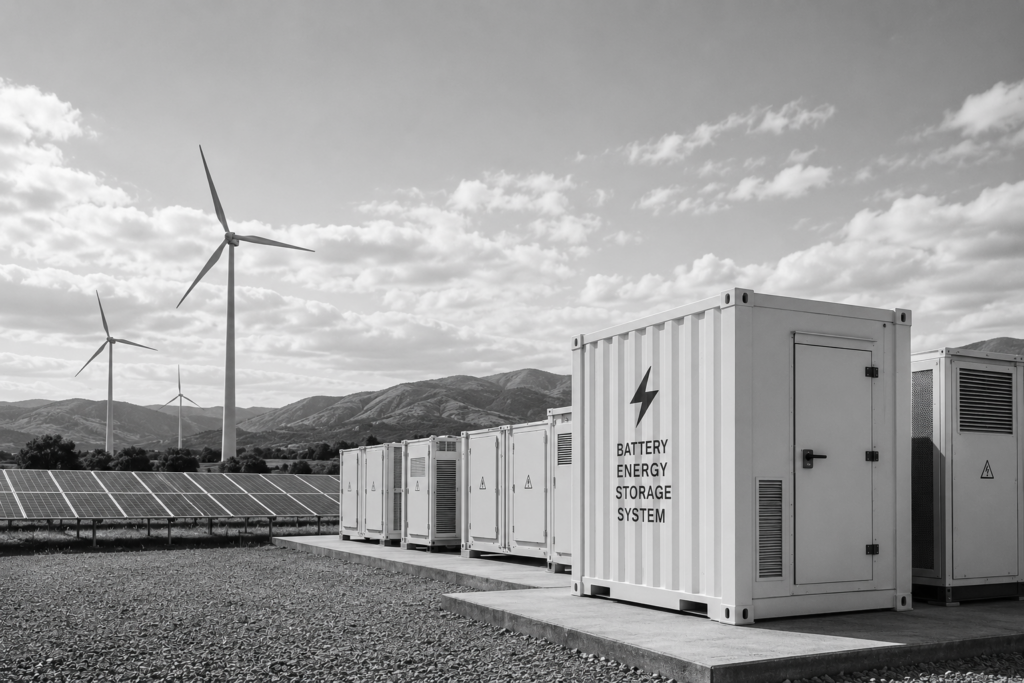
The strongest argument for storage is timing. The sun and the wind don’t produce power when we most need it; they produce it when nature allows. Without a way to carry that energy across the day, much of the clean electricity is simply wasted, and fossil plants step in to cover the evening. Batteries close that gap. They soak up extra solar at midday and give it back after sunset, so that far more of the clean power we generate actually gets used.
Türkiye is a good example of how quickly this is moving. When the regulator opened applications for storage-paired power plants, a large number of pre-licences were allocated to the investors who applied. According to EPDK data, that portfolio has grown past 30 gigawatts of planned capacity — roughly 17 gigawatts of storage-paired wind and 13 of storage-paired solar. Most of this is still at the pre-licence stage and very little is running yet; the first generation licences are only now being issued. But the scale says something on its own: storage has moved to the centre of Türkiye’s plans for renewable energy.
Storage also reduces our reliance on conventional power. The plants that switch on only during short demand spikes are expensive and among the dirtiest on the grid, and batteries can take over much of that work. They can also deliver the fast grid services — steadying frequency, easing congestion, holding reserves — that used to require fossil plants running in the background. The IEA says it plainly: to triple renewable energy, as nearly 200 countries promised at COP28, the world needs about six times more storage by 2030, somewhere near 1,500 gigawatts. By that measure, storage isn’t a nice extra. It is the infrastructure that makes the whole transition possible.
Taking the “burden” worry seriously
The criticism deserves a real answer, because it is built on real facts.
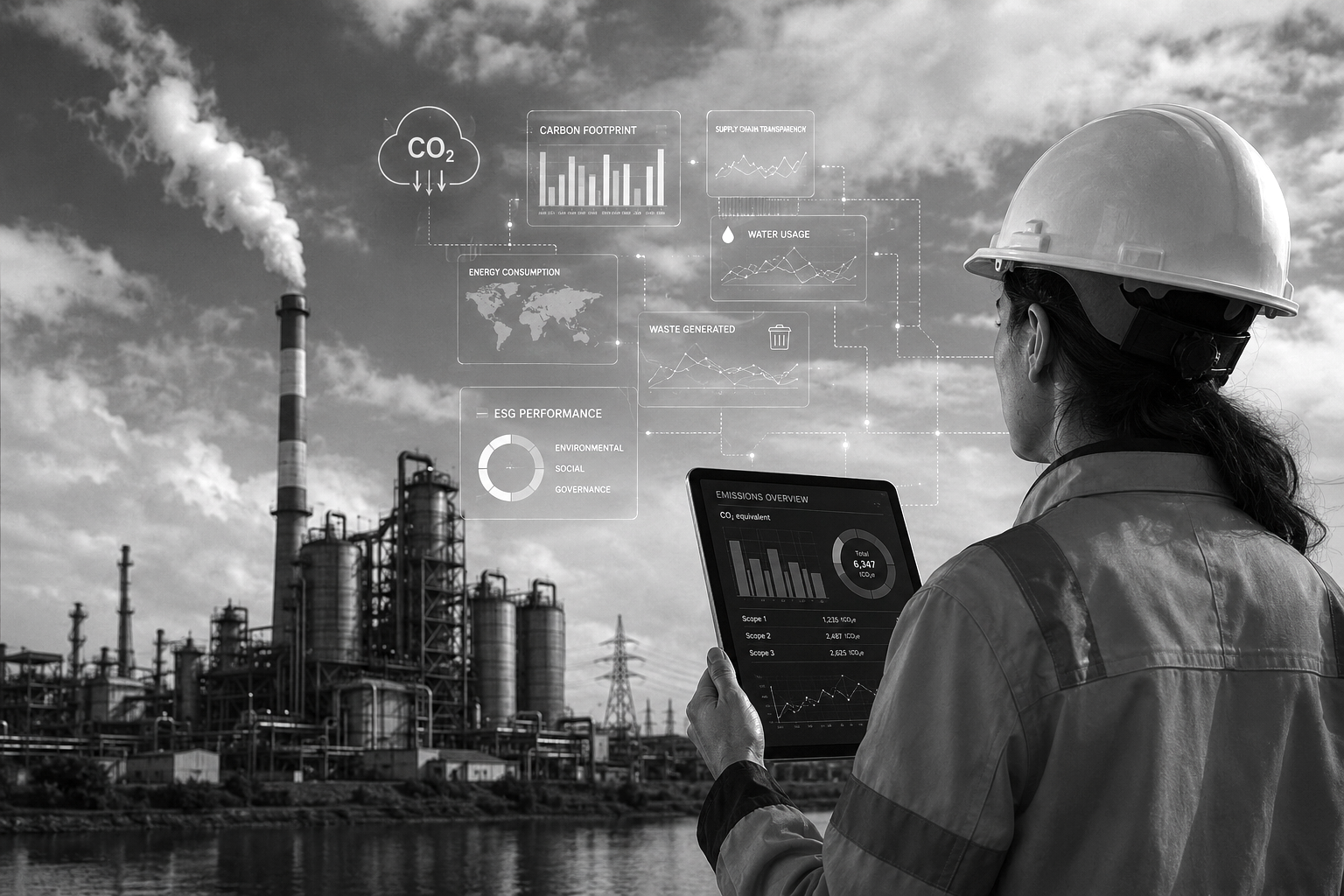
First, there is the carbon spent making the battery. A cell pollutes before it ever stores a single clean electron. Peer-reviewed work in Nature Communications puts the factory footprint of an LFP battery at roughly 54 to 69 kilograms of CO₂ per kilowatt-hour, and nickel-rich NMC batteries higher still. Most of that comes from digging up and processing raw materials like nickel and lithium, and from the electricity used in the factory — which is why a battery made on a coal-heavy grid carries a far heavier load than one made on clean power.
Second, there are the losses. No battery gives back everything you put in; lithium-ion systems usually lose somewhere between 10 and 15 percent each time they charge and discharge. That lost energy has to be made somewhere.
Third, and least comfortable, is the arbitrage problem. A well-known 2015 study by Hittinger and Azevedo found that a battery buying cheap power and selling it later would have raised CO₂ across US markets at the time — because it charged at night on coal and discharged by day, pushing aside cleaner gas. A more recent look at the German market gave a similar warning: a battery run purely for profit can add a meaningful share to a system’s emissions. Put simply, a battery is only as clean as the power it chooses to store.
Finally, there are the materials and the waste. Battery demand is straining the supply of critical minerals that are hard to find, concentrated in a few countries, and costly to mine. And a wave of worn-out batteries is on the way: the IEA expects about 1.2 million electric-vehicle batteries to retire by 2030, and around 14 million by 2040 — more than today’s recycling systems can comfortably handle, especially in poorer countries where very few batteries are collected at all.
What is changing
Here is what the older criticism misses: the emissions effect of storage isn’t fixed. It is moving, and it is moving the right way.
Researchers who track batteries running on real grids keep finding the same shift. As the grid itself gets cleaner, the power a battery stores and replaces changes character. And as operators start to charge batteries when power is clean — not just when it is cheap — the very same battery that once added emissions begins to cut them. Studies consistently show that running storage with emissions in mind, rather than profit alone, can lower its CO₂ by a quarter to a half, while giving up only a few percent of earnings.
The technology is helping too. LFP batteries — now about 90% of what gets installed — are cheaper, contain no cobalt, and carry less embodied carbon than the older nickel-rich types. Factory emissions fall sharply when the factory runs on clean electricity. And recycling is finally growing up: patents in battery recycling and reuse rose about 42% a year between 2017 and 2023, far faster than battery-making itself, while Europe’s new battery rules now require minimum recovery rates and carbon-footprint reporting. Recycling won’t end mining — the IEA thinks it could trim the need for new copper, lithium, nickel and cobalt by about 10% by 2040 — but it changes the direction of travel.
The question for COP31
The real lesson for policymakers is that a battery doesn’t clean up a grid on its own. It is a multiplier: it makes whatever system it is plugged into bigger. Paired with plenty of renewable energy, run for emissions rather than pure profit, built from cleaner chemistries on clean power, and recovered at the end of its life, a battery is one of the best climate tools we have. Dropped onto a fossil-heavy grid to chase price gaps, built from dirty materials with no plan for recycling, the very same hardware can become a burden.
That is exactly where policy decides the outcome. Rewarding emissions-aware operation, pairing new storage with renewables instead of fossil capacity, setting clean-manufacturing and recycling rules, and building transparent, diversified supply chains — these are what turn storage from a gamble into a sure thing. As the energy transition shifts from building clean power to managing it, getting these rules right is no longer a technical detail. It is central to what a COP presidency exists to push forward.
So, opportunity or burden? The most honest answer is that storage is an opportunity we have to earn. The technology has reached the point where it can cut emissions at scale. Whether it does now comes down to the choices we make around it — and those choices are ours.
This article is an independent analysis prepared for editorial publication. Figures are drawn from the sources above and reflect data available as of mid-2026.