


In 2026 passengers rerouted through Istanbul while European airlines absorbed a historic fuel bill and asked Brussels to slow down synthetic fuel. Those two stories belong together. The hub that won the traffic could also help Europe solve the fuel it finds hardest to make.
Every crisis redraws a map. When the conflict between Iran and Israel began in late February, the Gulf’s great transit hubs, built over two decades to connect Europe with Asia and Africa, lost much of their flow almost overnight. Airspace closed, schedules collapsed, and passengers who had always connected through the Gulf started looking at the map again. Many of them found Istanbul.
Seven months on, the shift is visible in the numbers. It also carries a question that almost nobody in the SAF debate is asking yet: if aviation’s centre of gravity has moved towards Türkiye, where will the low-carbon fuel for that traffic come from?
A European hub that kept flying
Turkish Airlines reports its customer base up 5% since the conflict started. Capacity cut on Middle East routes was more than offset by growth of 6% on routes to Europe and 16% to East Asia. With Russian airspace also closed to most Western carriers, one aviation economist quoted by AFP described Istanbul as sitting at the global centre of gravity for air transport. The CEO of IGA Istanbul Airport, Selahattin Bilgen, put it in simpler terms: the crisis reinforced the perception of Türkiye as a “safe harbour.”
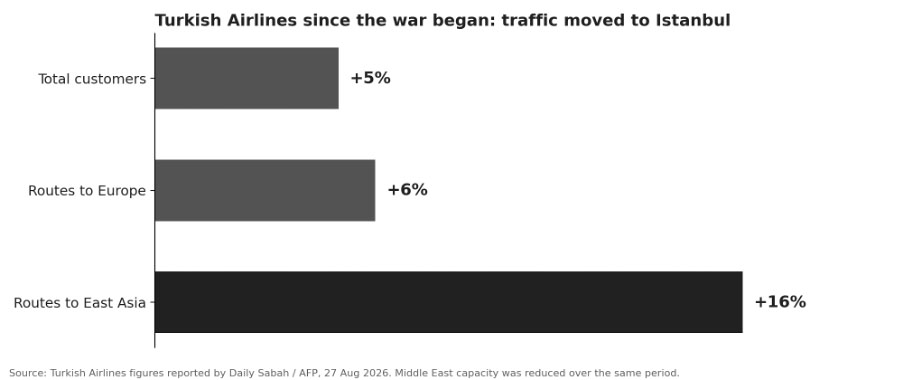
Figure 1. The growth of Turkish Airlines’ traffic after the war began.
It has not been painless. Istanbul’s airports absorbed rerouted long-haul traffic and have logged some of the region’s highest delay counts this autumn. Being the shock absorber is a burden as well as an opportunity. But it is a structural signal Europe should take seriously: when its usual connections failed, the network leaned on Türkiye.
Meanwhile, in Europe’s boardrooms
European airlines had a very different year. Jet fuel more than doubled in price after the Strait of Hormuz closed. Hedging softened the blow, but only for a while.
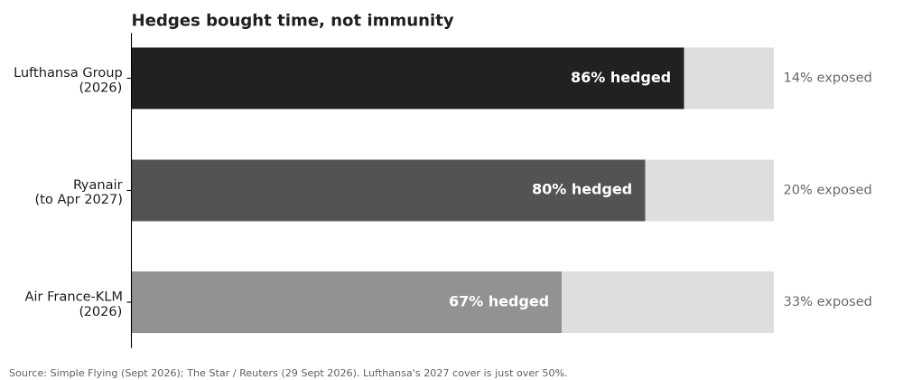
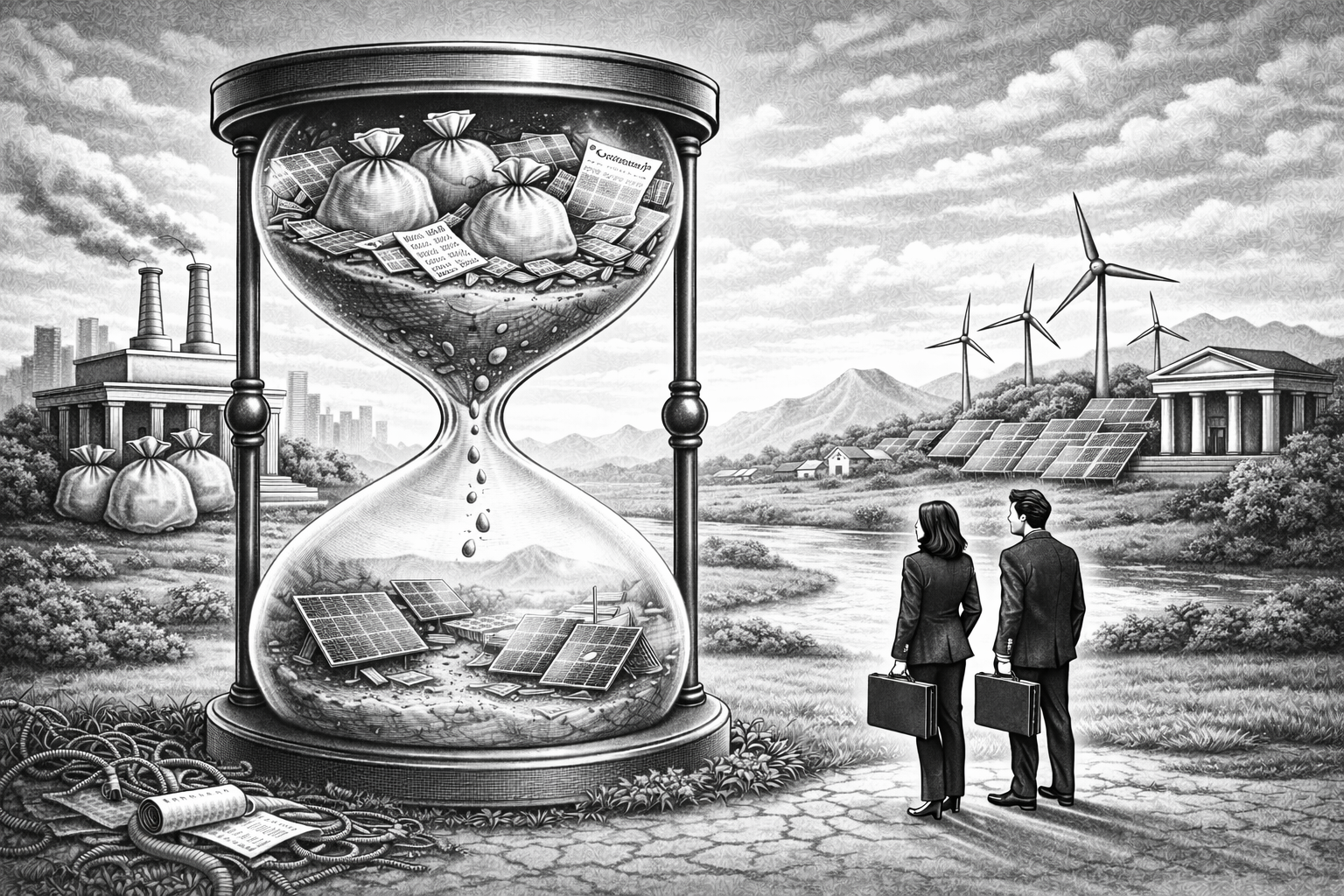
Figure 2. Fuel hedging cover at Europe’s largest groups. The unhedged share is where the shock lands.
| AIRLINE · CARSTEN SPOHR, LUFTHANSA GROUP CEO, SEPTEMBER 2026 The extra fuel bill “will be higher” than the €1.5 billion flagged in August. Even with 86% of 2026 fuel hedged, the war is eating into Lufthansa’s turnaround targets. Hedge cover for 2027 is just over 50%. Reuters, via The Star, 29 Sept 2026 |
It is no surprise, then, that synthetic fuel became the easiest target. In March, as the war was driving fuel costs up, Airlines for Europe prepared to ask Brussels to at least delay the e-SAF sub-mandate and discussed seeking its removal. Their argument is that e-SAF capacity simply will not exist in time and that passengers will pay for volumes that are not there. The European Commission’s review is expected to keep the target but extend the timeline.
I understand the pressure. An airline that has just paid billions more for fossil kerosene is in no mood to pre-pay for a molecule that costs many times more. But the war also made the opposite argument for us. Europe’s fuel problem in 2026 was not a climate problem. It was a dependency problem. e-SAF is the one aviation fuel whose main inputs, electricity and carbon dioxide, can be produced close to home. Delaying it does not reduce the dependency. It extends it.
Two problems, one partner
Put the two stories side by side. Türkiye has gained traffic and now needs a credible fuel strategy for it. Europe has an e-SAF obligation it cannot yet supply and a renewed fear of long, fragile supply lines. These are not separate challenges. They are complementary.
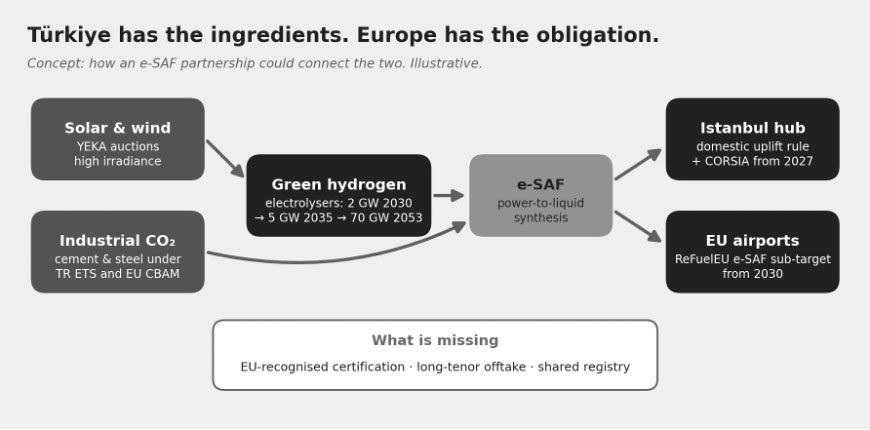
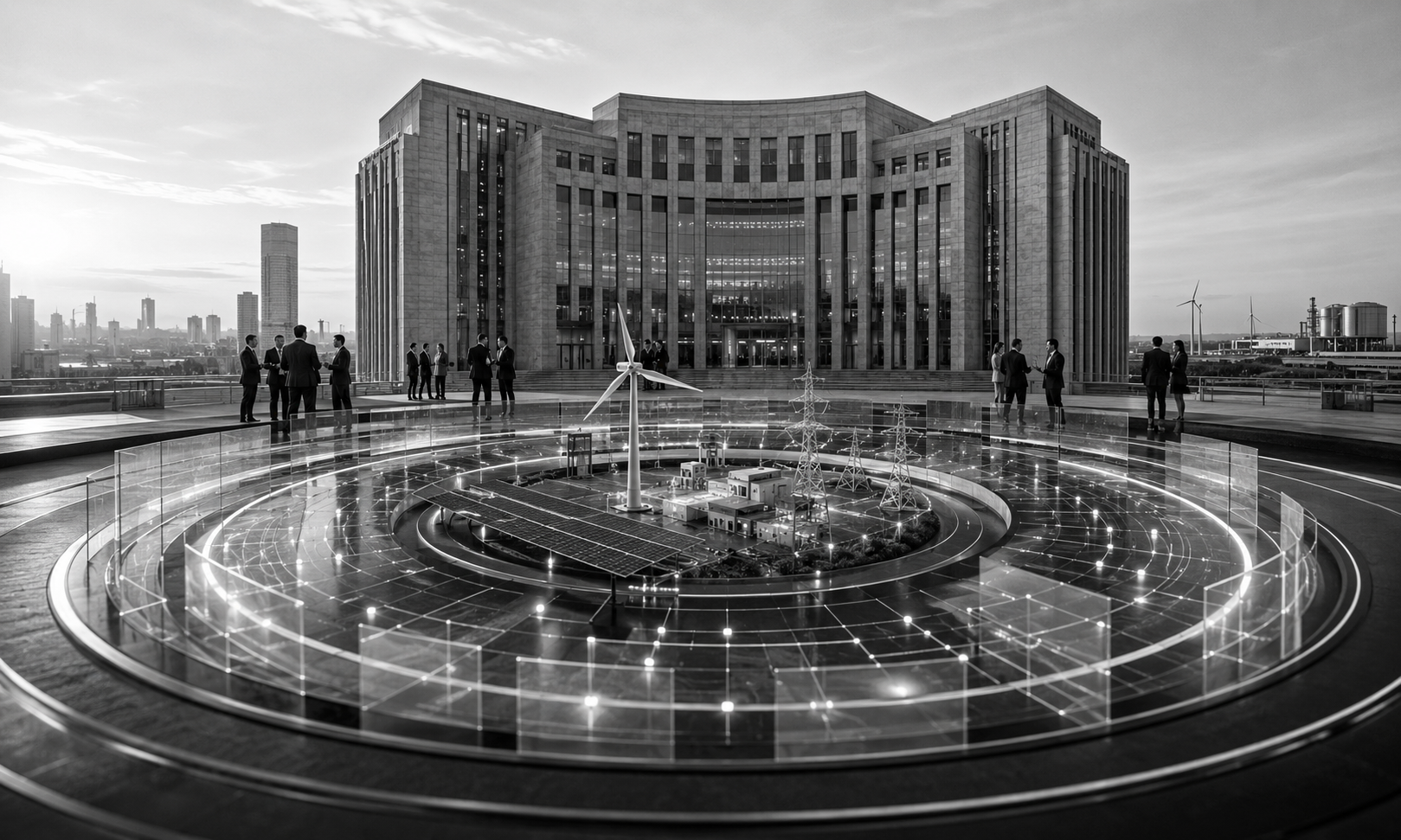
Figure 3. A concept for a Türkiye–EU e-SAF partnership. Illustrative.
The power. Türkiye has some of the strongest solar resources in Europe’s neighbourhood and a well-tested auction system for renewables. Its hydrogen roadmap targets 2 GW of electrolysers by 2030, 5 GW by 2035 and 70 GW by 2053, with a cost goal of around $2.4 per kilogram by 2035. That is a foundation an e-SAF plant can be built on.
The carbon. Power-to-liquid fuel needs a concentrated stream of CO₂. Türkiye has a large cement and steel base that is now inside a national emissions trading system, whose implementing regulation was published in August, and that faces Europe’s carbon border charge on its exports. Capturing that CO₂ for fuel turns a compliance cost into a feedstock.
The demand at home. Türkiye’s SAF rule applies to both airlines and fuel suppliers, and requires airlines to load 90% of the SAF they need for international flights at Turkish airports. From 2027, CORSIA becomes mandatory. A hub that now carries more of Europe’s long-haul connecting traffic will need its own low-carbon supply regardless of what Brussels decides.
The market next door. Europe’s synthetic fuel sub-target creates the world’s most concentrated e-SAF demand. Germany, Austria and Luxembourg have just put €2.1 billion on the table to bridge the price gap. That money does not have to stop at the EU border if the fuel meets EU rules.
Table 1. How the picture of Türkiye changed in 2026
| How Europe saw Türkiye before 2026 | What 2026 revealed | |
| Aviation | A fast-growing competitor hub on Europe’s edge | The network’s shock absorber when Gulf and Russian routes closed |
| Energy | A transit country for pipelines and imported fuel | A refining base that kept its own aircraft fuelled through the crisis |
| Climate policy | A follower, outside the EU carbon market | An ETS on the EU model, a SAF rule on airlines and suppliers, a hydrogen roadmap |
| SAF role | A small future market | A candidate supplier of the fuel Europe finds hardest to make: e-SAF |
A partnership like this does not appear because the map is convenient. Three things have to be solved:
Credibility of the rules. For a tonne of e-SAF made in Türkiye to count in Europe, it has to meet EU definitions of renewable hydrogen and eligible carbon sources. Using industrial CO₂ is allowed only within limits that tighten over time. A project designed without that in mind will be built for a market that does not exist.
Grid and water. Electrolysers at scale need firm renewable power and water in a country that already manages both carefully. Siting matters more than ambition.
Who goes first. Every e-SAF project in the region faces the same chicken-and-egg problem: no buyer without a plant, no plant without a buyer. The difference here is that a Turkish hub carrier gaining European traffic has a commercial reason, not just a regulatory one, to move early.
What Antalya could decide
COP31 will be judged on implementation. A practical outcome for aviation would be modest in words and large in effect:
- A joint e-SAF working group between Türkiye’s energy and aviation authorities and the European Commission, tasked with making Turkish e-SAF eligible under ReFuelEU.
- A first-mover pilot pairing a renewable cluster, a captured CO₂ source from a covered industrial plant, and a hub carrier as anchor buyer.
- Access to European price-gap funding for imported e-SAF that meets EU criteria, so that support follows the molecule rather than the border.
- A Mediterranean fuel-security lens that treats e-SAF as part of Europe’s response to 2026, not only as a climate obligation.
Hubs are built by geography, but they are kept by fuel. The Gulf understood that decades ago, pairing its airlines with its refineries. In 2026 the traffic found Istanbul. The next question is whether the fuel strategy will follow, and whether Europe will treat that as competition or as the partnership that finally gives its e-SAF target a supplier.