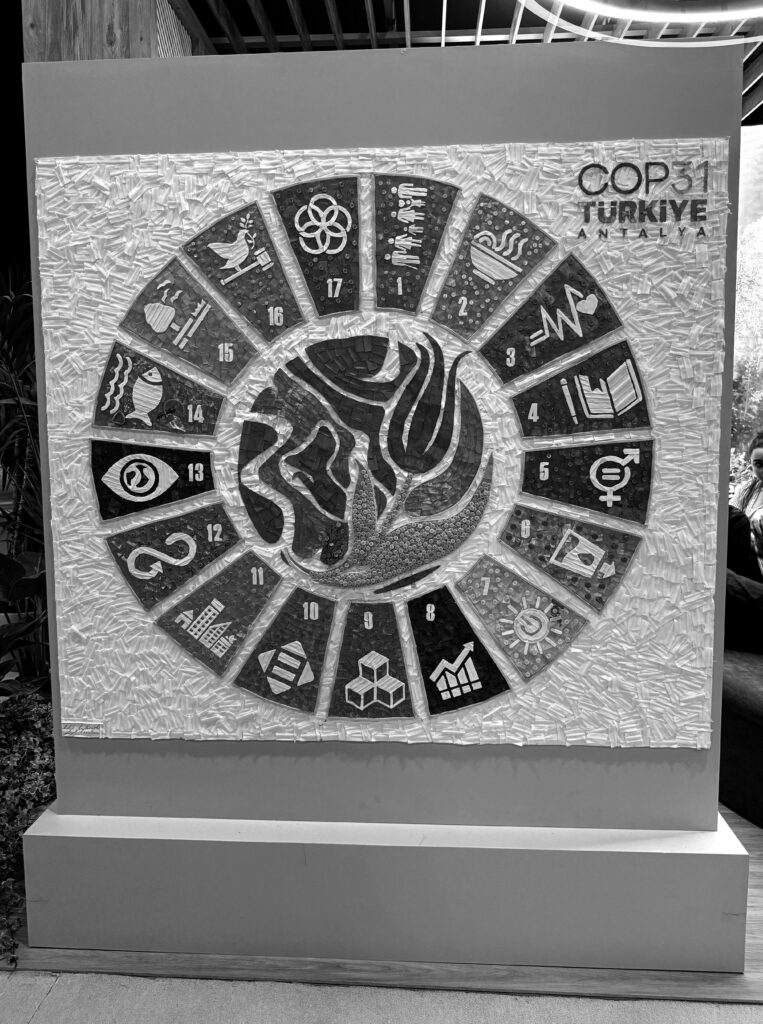

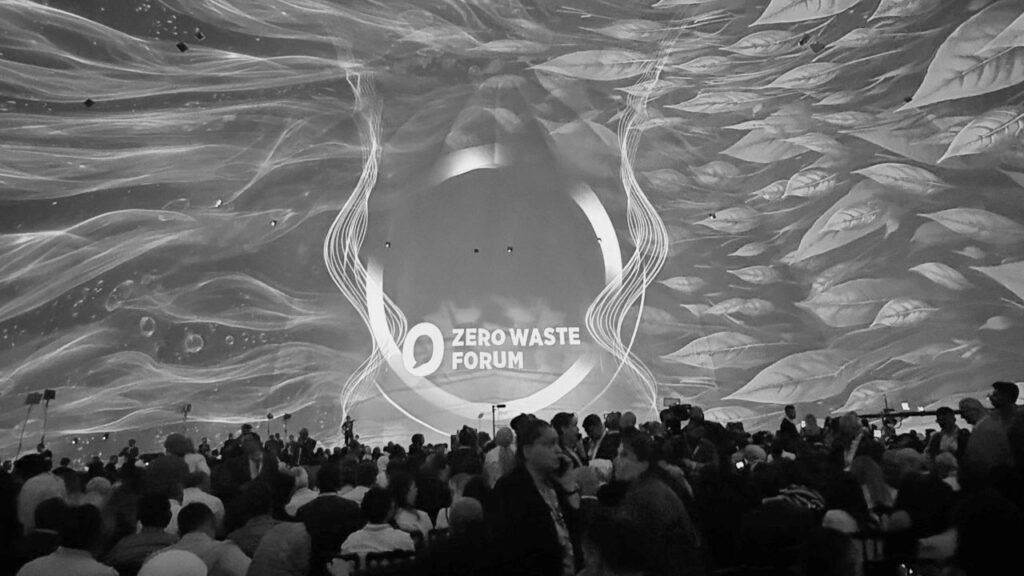
The Zero Waste Forum 2026, held from June 5 to 7 at Atatürk Airport in Istanbul, brought together an unusually diverse group of policymakers, academics, engineers, city leaders, international organizations, civil society representatives and sustainability practitioners around one central message: zero waste is no longer only a waste management agenda. It is climate action.
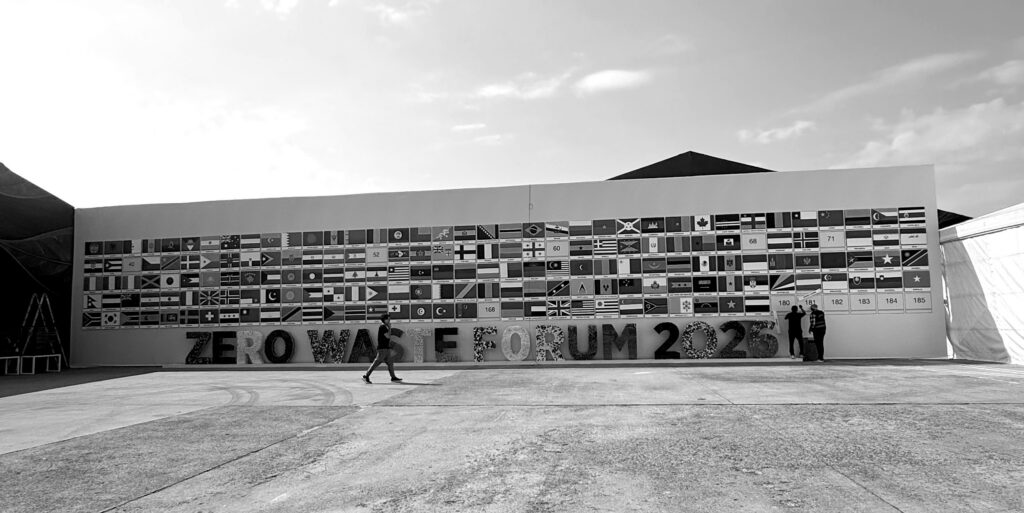
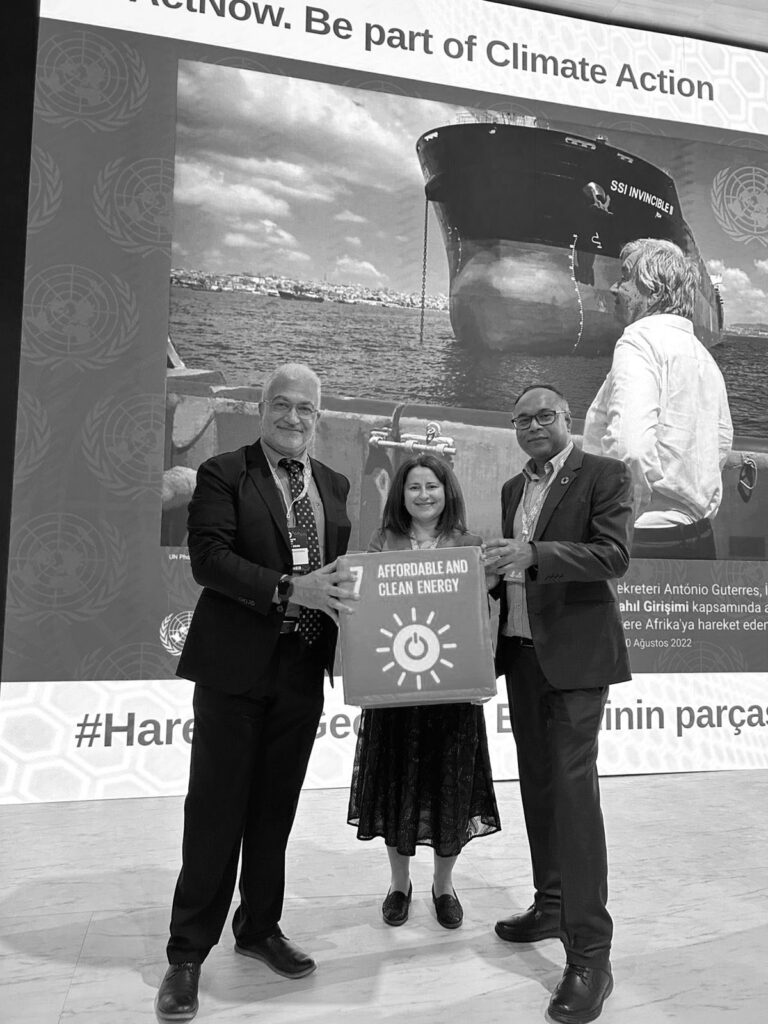
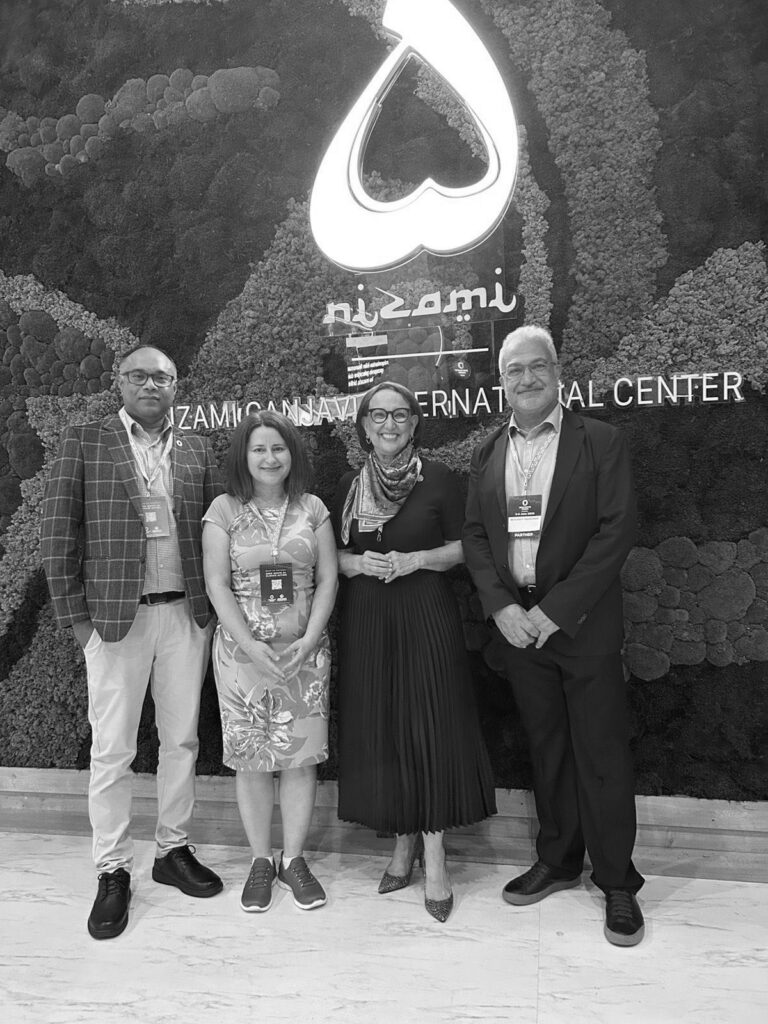
For me, the Forum was both a professional gathering and a personal reflection point. I attended together with two colleagues from the Council of Engineers for the Energy Transition, CEET, Atiq Zaman and Nikos Theodossiou. CEET’s work focuses on the engineering pathways required for deep decarbonization, net-zero systems and a just energy transition. Bringing that perspective into a zero-waste forum was highly relevant. Waste, after all, is not an isolated environmental issue. It is connected to how we design industrial systems, how cities function, how energy is used, how materials move through the economy and how societies define value.
The Atmosphere: From Waste Management to Systems Change
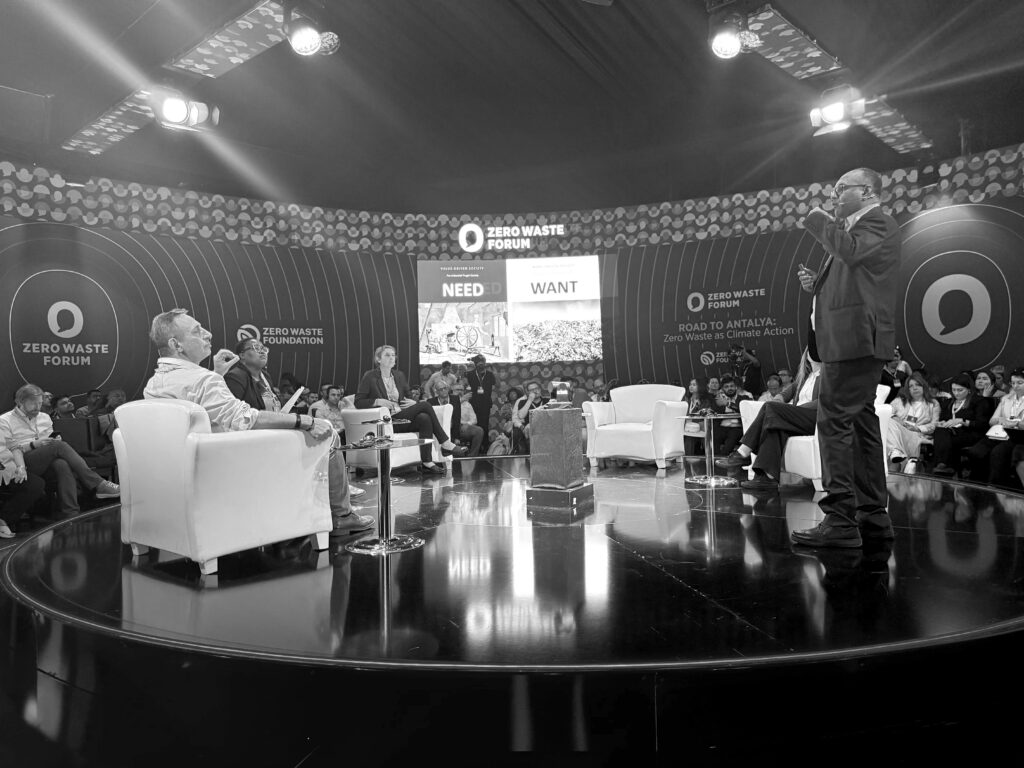
The Forum had the atmosphere of a global sustainability platform, but with a distinct sense of urgency. The venue, Atatürk Airport, created a striking setting for conversations about transition, infrastructure and transformation. The event brought together voices from public institutions, international organizations, academia, local governments, private sector actors and civil society. Across the sessions, the recurring message was clear: waste prevention must move upstream.
Too often, waste is treated as something to be collected, sorted or recycled after it has already been created. The Forum challenged this view. Zero waste begins much earlier, at the design stage, at the procurement stage, in industrial processes, in urban planning, in consumer behaviour and in public policy. It asks a deeper question: how can societies prevent waste before it appears?
This is where the climate dimension becomes central. Waste is not only a local environmental burden. It is embedded in global emissions. Extraction, production, packaging, transport, consumption and disposal all require energy and generate greenhouse gases. A zero-waste economy therefore contributes directly to climate mitigation by reducing resource demand, improving material efficiency and encouraging circular systems.
Attending with CEET: The Engineering Lens
Being at the Forum with Atiq Zaman and Nikos Theodossiou from CEET added an important technical dimension to my experience. CEET’s mandate is rooted in the need to identify practical, science-based and engineering-led pathways for decarbonization. That perspective is essential for the zero-waste agenda.
Zero waste cannot be achieved only through awareness campaigns or recycling bins. It requires systems design. It requires data, infrastructure, standards, technologies, financing mechanisms and governance capacity. It requires engineers who understand materials, energy systems, buildings, transport, water, industrial processes and digital monitoring. It also requires public institutions that can translate this knowledge into policy and implementation.
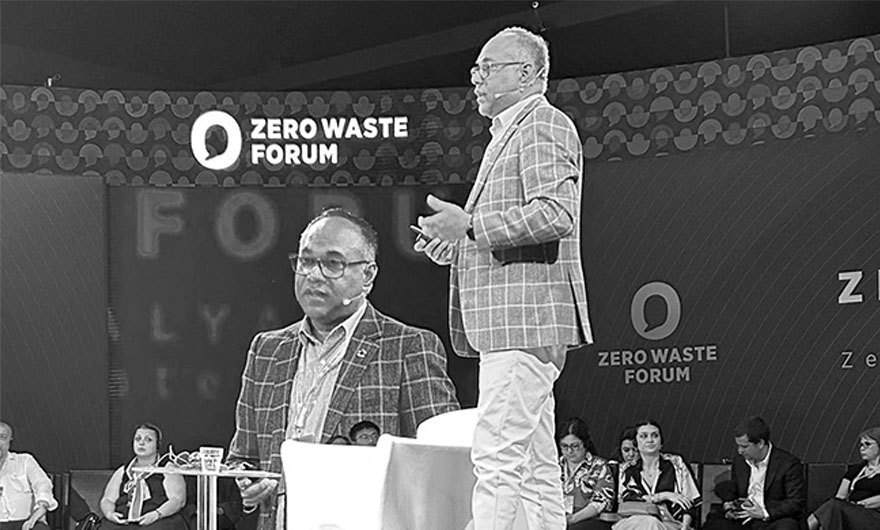
Atiq Zaman’s two speaking sessions were among the most relevant contributions from this perspective. His interventions highlighted the scientific and practical foundations of zero-waste cities, circular economy systems and resource efficiency. He brought forward a critical point: zero waste is not simply an environmental aspiration, but a measurable transformation pathway that requires planning, monitoring and institutional commitment.
Nikos Theodossiou’s presence also reflected the importance of connecting zero waste with broader sustainability and infrastructure resilience agendas. As sustainability challenges become more interconnected, the role of engineers is changing. Engineers are no longer only expected to solve technical problems. They are increasingly expected to help design transition pathways that are socially acceptable, economically feasible and environmentally sound.
The Opening Ceremony: Türkiye’s Zero Waste Leadership
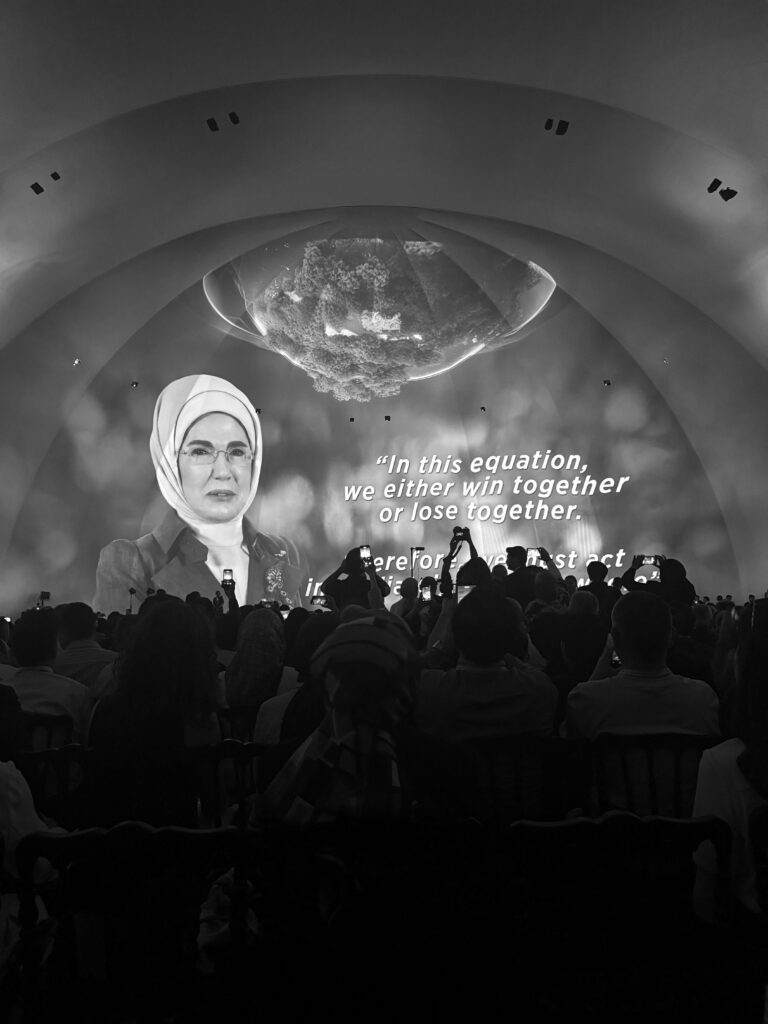
The Opening Ceremony, attended by First Lady Emine Erdoğan, set the tone for the Forum. Her leadership in advancing Türkiye’s Zero Waste Project and the establishment of the Zero Waste Foundation has played an important role in raising the visibility of this agenda nationally and internationally. The presence of high-level representatives at the Opening Ceremony reflected how zero waste has moved from a technical environmental issue into the sphere of diplomacy, public policy and global sustainability leadership.
Türkiye’s role in promoting March 30 as the International Day of Zero Waste, adopted by the United Nations General Assembly, was an important reference point throughout the Forum. It showed that zero waste has become part of the international sustainability calendar and a platform for global awareness. But the Forum also made clear that awareness is only the first step. The real test lies in implementation.
How can municipalities build zero-waste systems that are financially viable?
How can industries redesign processes and reduce material losses?
How can developing countries advance circular economy models without compromising development needs?
How can global supply chains be made less wasteful and more equitable?
These questions gave the Forum its practical relevance.
Rebeca Grynspan: Development, Trade and the Future of Multilateralism
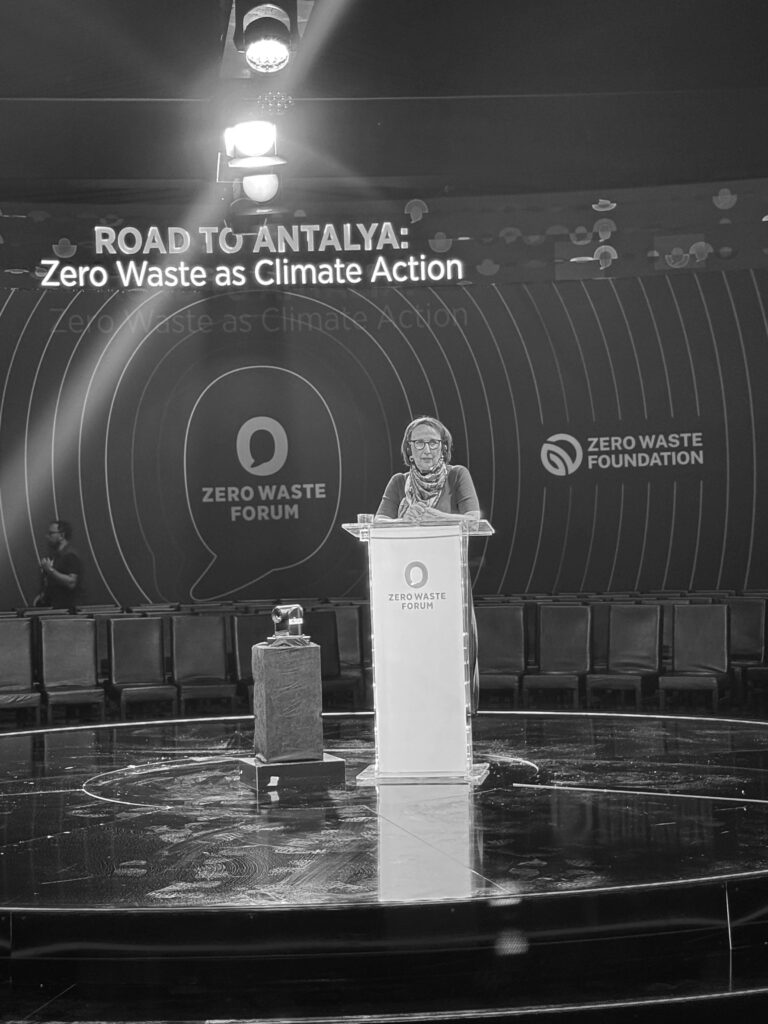
One of the most significant moments for me was the session featuring Rebeca Grynspan Mayufis. As Secretary-General of UNCTAD, she brought a wider development and trade perspective to the zero-waste discussion. Her presence was particularly meaningful because zero waste cannot be separated from global inequality, finance, industrial capacity or international cooperation.
In many developing countries, waste is not only an environmental issue. It is also a development issue. It is linked to informal labour, municipal capacity, public health, infrastructure gaps, industrial policy and access to technology. A serious zero-waste transition must therefore be fair and inclusive. It must avoid placing additional burdens on countries and communities that already face financing, capacity and infrastructure constraints.
Grynspan’s intervention reminded me that circular economy policies must be connected to trade, investment and development strategies. A circular economy cannot become a new form of exclusion, where high-income countries set standards and lower-income countries struggle to comply. It must become a shared framework for more efficient, resilient and equitable growth.
Her role also carried a broader symbolic meaning. Rebeca Grynspan Mayufis is among the official candidates for the next Secretary-General of the United Nations. Her experience in development, multilateral cooperation and global governance gives her a strong profile at a time when the UN system needs both credibility and reform-minded leadership.
I sincerely hope that this time a woman will be elected as the first female Secretary-General of the United Nations. After eight decades, this would be more than a historic milestone. It would be a powerful signal about representation, legitimacy and the type of leadership needed in a fragmented world.
Michelle Bachelet and the False Dilemma Between Environment and Development
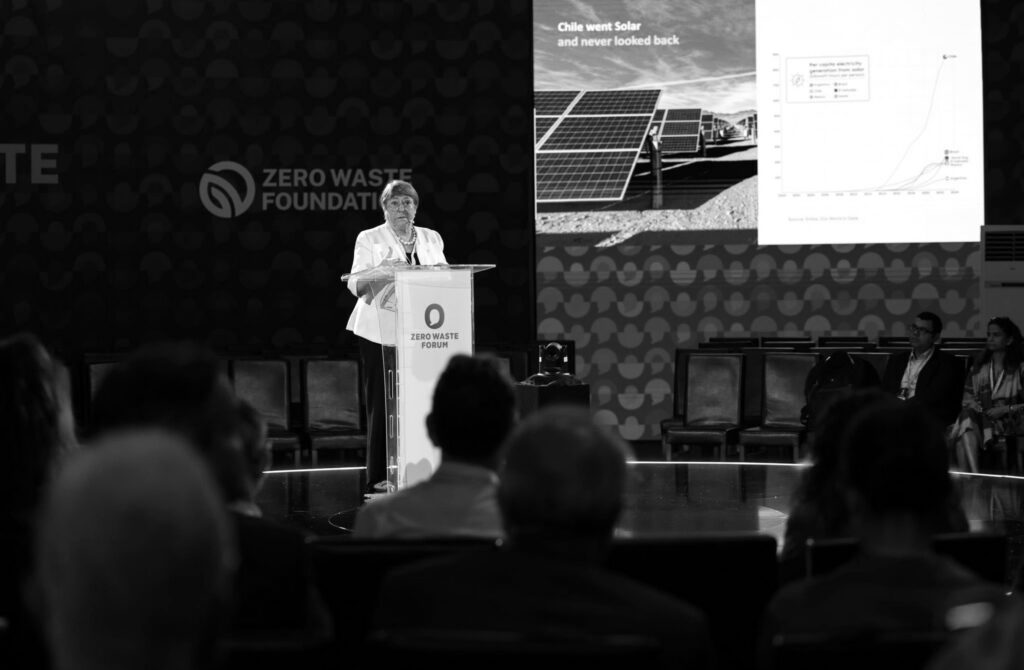
Another important session focused on the theme “Environmental Protection or Economic Development: How Developing Countries are Confronting This False Dilemma.” The session featured Michelle Bachelet Jeria, former President of Chile and another globally respected woman leader. She is also among the official candidates for the next Secretary-General of the United Nations. I repeat my sincere hope that this time a woman will be elected as the first female Secretary-General of the United Nations.
The framing of the session itself was highly relevant. The idea that developing countries must choose between environmental protection and economic development is one of the most persistent and damaging narratives in global policy. The Forum challenged this false dilemma.
The real question is not whether countries should protect the environment or pursue development. The real question is what kind of development is viable in a resource-constrained and climate-stressed world.
Zero waste provides one answer. It shows that development can be based on efficiency, reuse, circular design, local value creation and reduced dependency on virgin materials. For developing economies, this can create opportunities in new industries, green jobs, municipal innovation, sustainable agriculture, industrial symbiosis and local entrepreneurship.
But this transition requires support. It requires access to finance, technology transfer, capacity-building, reliable data and fair international rules. Without these, the zero-waste agenda risks becoming another ambition without sufficient implementation tools.
Sally Higgins and Samet Ağırbaş: Implementation, Institutions and Public Engagement
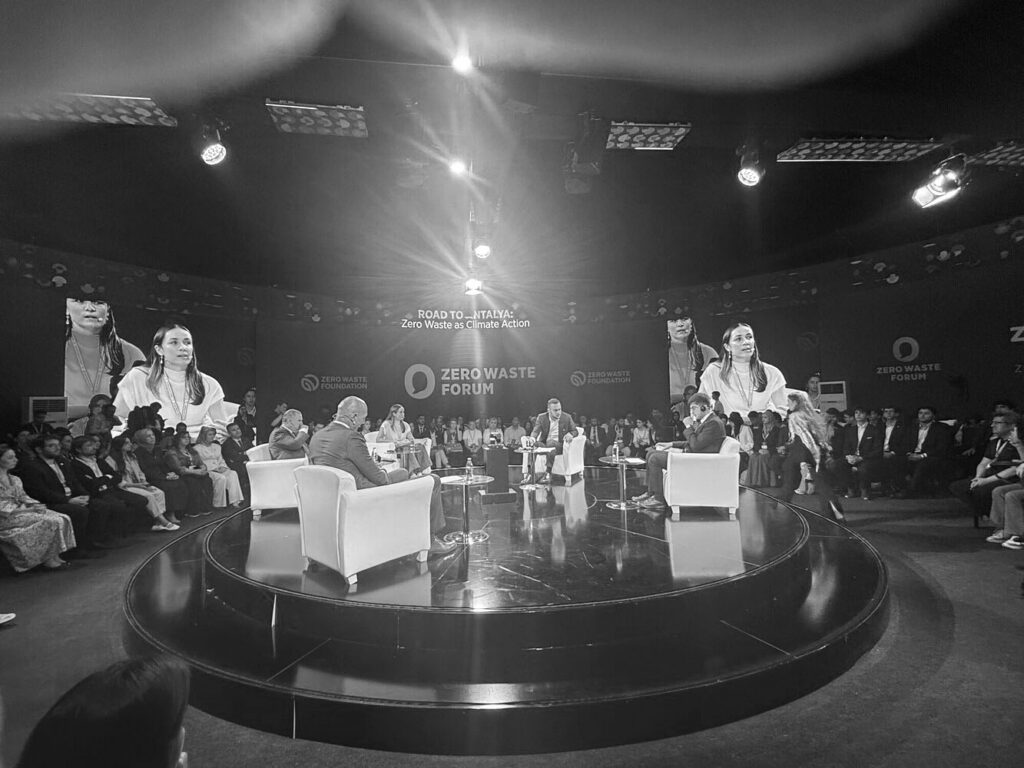
The session with Sally Higgins and Samed Ağırbaş added another practical layer to the Forum. Their discussion showed that zero waste depends not only on policy ambition, but also on institutional design and public engagement.
Waste systems are deeply local. They depend on municipalities, households, businesses, schools, logistics providers and community behaviour. Even the best national policy will fail if it cannot be translated into daily practice. This is why communication, education and institutional coordination are so important.
Their session also underlined the need for partnerships. Zero waste cannot be delivered by governments alone. It requires collaboration between public authorities, private companies, universities, civil society and citizens. It also requires trust. People need to understand why separation at source matters, why reuse systems are important, why consumption patterns must change and why circularity is not only an environmental responsibility but also an economic opportunity.
Zero Waste as Climate Action
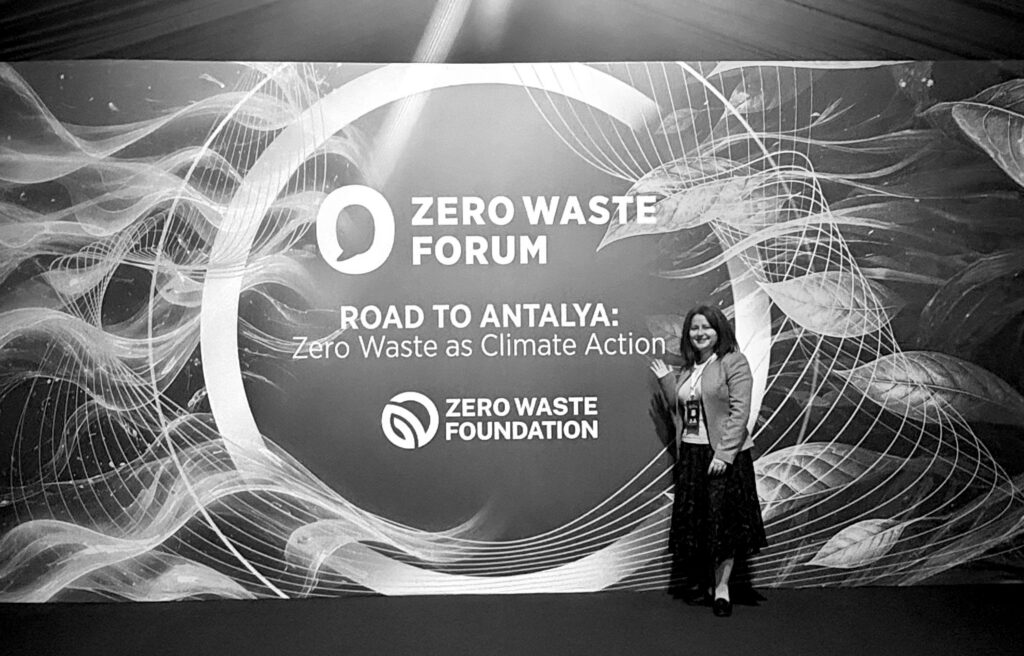
The Forum’s central message, “Zero Waste as Climate Action” deserves emphasis. Climate action is often associated with renewable energy, electric mobility, energy efficiency or carbon markets. These are essential. But they are not enough.
A decarbonized economy cannot remain material-intensive in the old way. If global consumption patterns continue to rely on extraction, disposal and linear production, emissions reductions in the energy system will not be sufficient. The transition must also address the material basis of the economy.
Zero waste contributes to climate action in several ways.
It reduces the demand for virgin raw materials.
It lowers emissions from production, transport and disposal.
It supports circular business models and industrial symbiosis.
It improves urban resource efficiency.
It reduces landfill-related environmental impacts.
It encourages new forms of design, procurement and consumption.
Most importantly, it changes the way societies think about growth. A zero-waste approach asks whether economic value can be created without constant material throughput. It invites policymakers, companies and citizens to rethink the relationship between prosperity and consumption.
What I Took Away
For me, the Zero Waste Forum 2026 reinforced five major lessons.
First, zero waste is a systems agenda. It cannot be reduced to recycling. It requires upstream design, circular economy planning, data systems, infrastructure and governance.
Second, zero waste is inseparable from climate action. Material efficiency and waste prevention must become part of national and local climate strategies.
Third, municipalities are central. Cities are where waste is generated, managed and experienced. Local governments need technical capacity, financial support and policy tools to implement zero-waste systems.
Fourth, the private sector must be part of the solution. Producers, retailers, logistics companies and industrial actors all influence how materials are designed, used and recovered.
Fifth, leadership matters. The presence of figures such as Emine Erdoğan, Rebeca Grynspan and Michelle Bachelet showed that zero waste is now part of the global leadership conversation. It also reminded me how important women’s leadership is in sustainability and multilateral governance.
A Personal Reflection
Much of my professional work sits at the intersection of clean energy, green transition, industrial decarbonisation, sustainable finance and climate policy. The Zero Waste Forum helped me see, once again, how interconnected these agendas are.
There is no clean energy transition without resource efficiency.
There is no circular economy without clean energy.
There is no sustainable city without waste prevention.
There is no climate resilience without better infrastructure.
There is no just transition without inclusive governance.
The Forum was a reminder that sustainability is no longer about isolated sectors. It is about integration. Energy, waste, water, industry, cities, finance and social equity must be addressed together.
Zero waste is one of the most tangible entry points into this integrated transition. People understand waste because they see it every day. Cities understand it because they manage it every day. Businesses understand it because inefficiency has a cost. This makes zero waste a powerful bridge between technical policy and public action.
The Road to Antalya and Beyond
The “Road to Antalya” framing suggests that the Forum was not an endpoint. It was part of a continuing process. The next step should be to turn dialogue into implementation.
That means stronger zero-waste targets.
It means better municipal capacity.
It means circular procurement rules.
It means industrial resource-efficiency strategies.
It means stronger links between zero waste and climate finance.
It means better data and monitoring.
It means education and citizen participation.
And it means international cooperation that recognizes different national capacities and development realities.
The Zero Waste Forum 2026 was more than a conference. It was a platform for aligning ambition, knowledge and action. It brought together people who understand that waste is not only a symptom of inefficient systems, but also an opportunity to redesign them.
I left the Forum with a renewed conviction: zero waste is not about managing what is left behind. It is about changing what we build in the first place.
It is about preventing waste before it exists.
It is about designing cities, industries and economies that use resources intelligently.
It is about connecting climate action with circularity, development and justice.
And it is about building a future where nothing valuable is treated as disposable.