


The Reality of a Nascent Sector
Carbon Dioxide Removal (CDR) is an emerging field that is beginning to see its first formal recognition. While we see pioneering frameworks like the EU Carbon Removal Certification Framework (CRCF); CDR still lacks broad recognition, infrastructure, and integrated legislation for most of the world. It is not yet a global “system”; it is a collection of promising practices.
Because CDR is in this early stage, there is often no established, everyday “home” for it within the average government or corporate structure. It sits between departments of energy, climate or finance. To scale effectively, we need both the high-level regulations that are starting to appear and intentional facilitation to create the conditions where these practices can actually take root across all sectors.
Understanding the “Systemic Overload”
Even where climate regulations exist, our existing systems such as ministries, financial and industrial sectors are already fully occupied. Their staff are primarily focused on mitigation and standard efficiency goals.
This leads to a knowledge gap. While just a handful of leading organizations have dedicated teams, most do not yet have the informed human resources to evaluate or integrate complex CDR projects. For a traditional institution, it is difficult to handle a concept that doesn’t fit into their existing “folders.” We need to support these emerging structures, but we also must recognize that the people within them are often overwhelmed by the constant requirement for change.
What is Facilitation in this Context?
Creating a “Container”: Facilitation is the intentional process of designing a “container”; where new functional relationships and context can form safely.
Intentional Design: Standard solutions like new laws or financial incentives are essential parts of the system, but they often move too slowly on their own. Given the “time squeeze” of the climate crisis, we cannot rely only on these obvious paths. This is where the importance of creativity and intentional design increases. Facilitation identifies the missing links and helps stakeholders navigate in a complex environment,
Building the Bridge: Facilitation goes beyond the obvious to create the environments, where these laws and incentives can actually work effectively. It brings a level of consciousness to the system, links actors in a context who do not yet have a reason to talk to one another and who currently speak different professional “languages”. By designing these relationships, facilitators allow the system to function more effectively and quickly.
Learning from Facilitation in Action
To see how facilitation works, we can look at both history and current industry leaders. These examples show that transitions happen when the right structures are put in place to support new ideas.
Historical Precedents
One clear example is the Danish Cooperative Model. In the early days of wind energy, local energy offices facilitated the transition. They did not just provide technology; they provided a legal and social structure through cooperatives. This made it possible for communities to participate in a new system that otherwise would have been too complex.
Another example is the Montreal Protocol. To move away from ozone-depleting substances, neutral technical panels were created. These panels facilitated the transition by providing the necessary technical knowledge to both industry and government. They acted as a bridge, making sure the system could handle the change.
Modern Corporate Facilitation
Today, companies like Google and Microsoft are leading in durable CDR. They have realized that they cannot simply wait for a market to appear. They have created specialized teams or hired leads who are solely responsible for CDR.
By setting their own quality criteria, these companies act as “Carbon Librarians” for their own supply chains. They help the market understand what is required and building standards or practices that others can follow. They are not just buyers; they are facilitators of a new sector.
Market-Building Initiatives
Beyond individual companies, there are initiatives designed specifically to facilitate the entire market. A major example is Frontier, which uses an “Advanced Market Commitment.” This means they guarantee to buy carbon removal in the future, giving new companies the confidence they need to invest in expensive technology.
Other organizations facilitate growth by making it easier for smaller players to participate. For instance, AirMiners supports the sector through small-scale purchases that help early-stage projects. XPRIZE runs large-scale competitions to drive technical innovation. Milkywire acts as an intermediary by running procurement tenders and buying carbon removal on behalf of other firms. Together, these initiatives provide the “informed demand” that a new sector needs to become stable.
Standardizing Tools
Facilitation also happens through the creation of shared tools. For example, OSCAR (Open Standard Carbon Removal agreement) provides the ‘soft infrastructure’ needed for fair contracts. In a nascent industry, projects often try to “reinvent the wheel” with complex legal terms. OSCAR provides a balanced starting point that allows buyers and suppliers to interact without having to start from zero every time.
Enabling Factors: What is Required at All Levels?
We need systemic change at the high level, and practical enabling factors to make that change possible. These factors provide the support needed for the system to adapt.
Translational Capacity
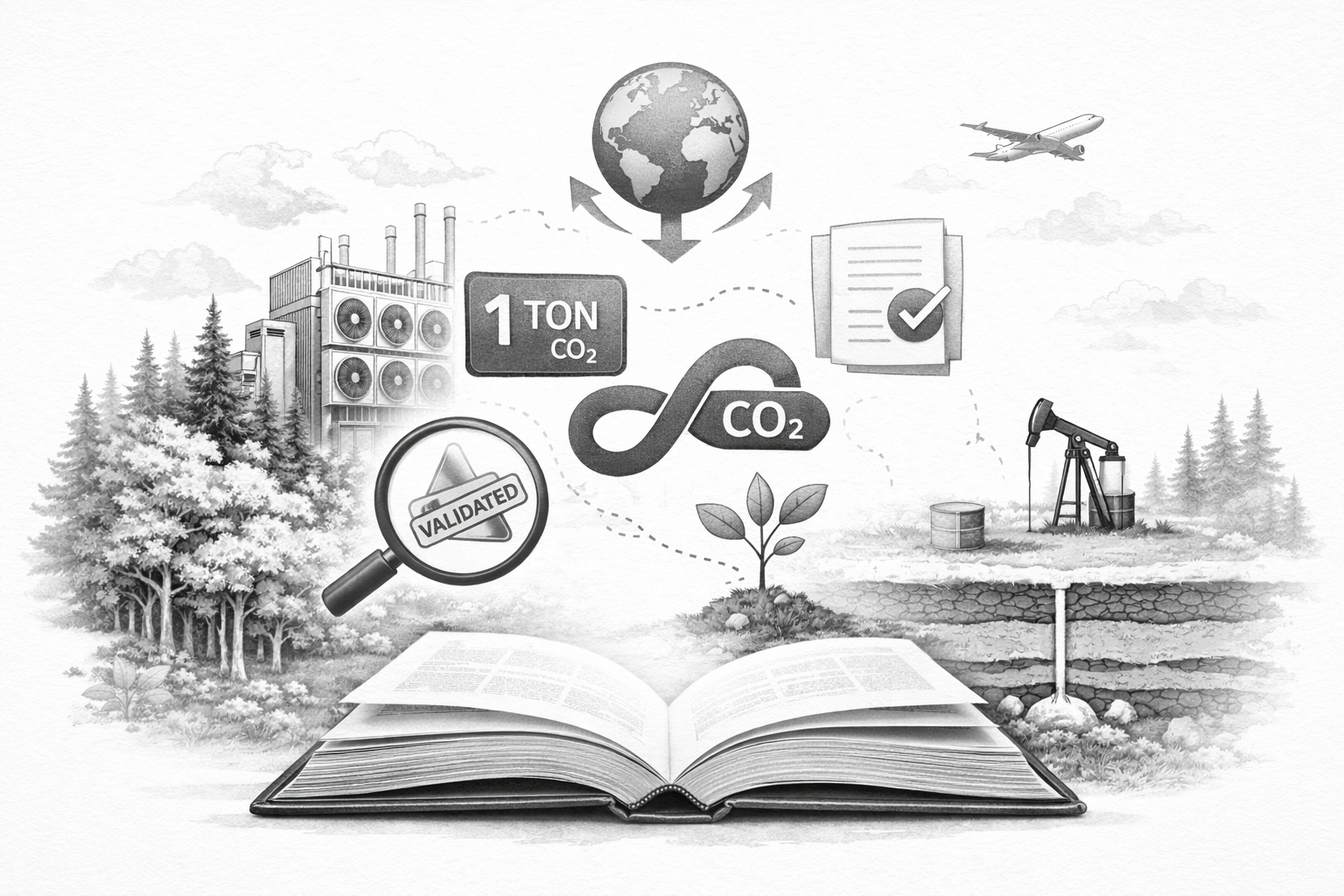
This involves creating specialized roles for “Carbon Librarians.” These people act as the managers of the system’s “folders.” Many CDR projects fail because they do not fit into the old categories of a ministry or a company. The Carbon Librarian creates a clear home for these new ideas by organizing the paperwork and setting up the right categories. They make sure information flows to the correct department so that projects are not lost or ignored. Their role is to help institutions understand how CDR fits into their specific language and goals.
Regulatory Sandboxes
We also need to create “regulatory sandboxes.” These are legal safe zones where CDR projects can be tested under controlled, experimental conditions to prove their viability. In these zones, developers can test new practices without the pressure of existing rules that were not designed for carbon removal. This allows the system to gather data and build trust before applying changes to the wider legal structure.
Relational Mapping
Finally, we must move from a “supply chain” mindset to an “ecosystem” mindset. This is called relational mapping. It is not just mapping or connecting; it is a systemic design tool that uses backcasting from the impact we want to achieve. Instead of just focusing on moving goods, we start with the desired change and design the specific relationships needed to reach it. For example, if we start with the goal of soil health, improved local economy and climate impact, we can connect a source of biomass waste to a biochar producer through a local municipality and then to a global carbon buyer. In this ecosystem, every actor is consciously connected to reach that specific impact, and the process becomes a functional part of the local economy.
Facilitation as a Bridge to the Future
In a complex environment like CDR, we cannot simply follow a manual. We must “probe” the system through facilitation to let a new sector emerge.
Facilitation is one of the many critical enablers for systemic change. By designing the right context and building informed relationships, we move from a fragmented field toward a functional, scaled industry.