

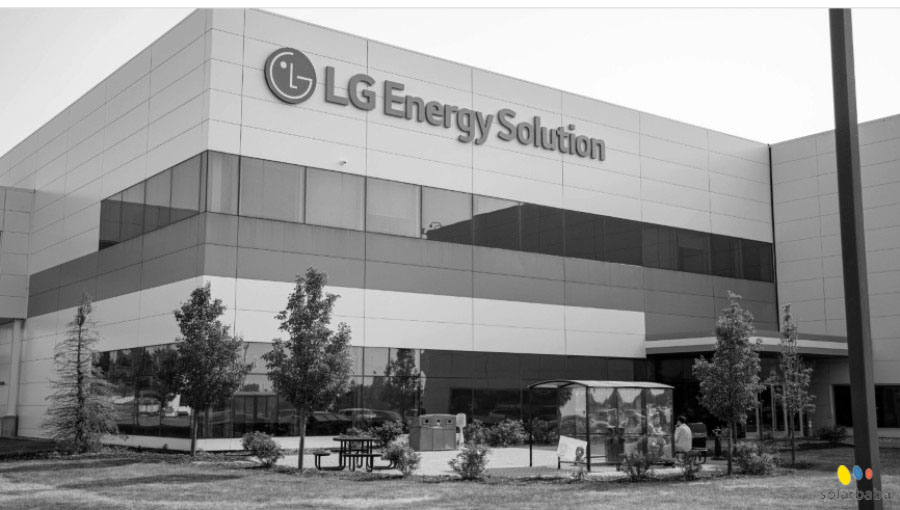
LG Energy Solution has officially commenced operations at its new 226-acre battery manufacturing facility built in Lansing, Michigan. Realized with an investment exceeding $2 billion since 2022, the facility will produce battery cells for both electric vehicles and large-scale energy storage systems. Expected to reach an annual production volume of 35 GWh when fully ramped up, the plant aims to significantly bolster its regional manufacturing workforce by expanding its current 900-person headcount to 1,700 employees.
The Lansing site focuses heavily on the production of lithium iron phosphate (LFP) cells tailored for the energy storage market. These cells will be integrated into complete battery systems by LG Energy Solution Vertech, the company’s US-based energy storage arm, for use in utility-scale commercial and industrial applications. Major utilities, including DTE Energy, are among the anchor customers slated to deploy Lansing-produced LFP systems in their operational fleets.
Alongside LFP lines, the factory will also manufacture high-density nickel-manganese-cobalt (NMC) cells for the automotive sector. These cells are scheduled to power Toyota’s model-year 2027 Highlander electric vehicles. With this investment, LG Energy Solution aims to reach an LFP manufacturing footprint exceeding 50 GWh across North America by the end of 2026.
This new production hub further solidifies LG Energy Solution’s operational presence in Michigan. Together with its operational plant in Holland and R&D headquarters in Troy, the company projects its total statewide workforce to exceed 3,300 employees by the end of 2026. Cumulative investments in the region have reached $5 billion since 2010. Domestic manufacturing also enables regional project developers to meet domestic content criteria required to qualify for federal clean energy tax incentives. By 2026, the company aims to concentrate 80% of its global energy storage manufacturing capacity across its North American facilities.
Source: Solarbaba – In Turkish

