



The race for higher speed and increased power within the electric bicycle industry is blurring the boundary between bicycles and motorcycles. Rather than pushing existing regulatory boundaries, there is a growing need for a dedicated intermediate-speed electric vehicle category tailored for urban transit. Establishing a new legal framework in the United States for vehicles capable of speeds up to 35 mph would safeguard the safety of traditional e-bikes on dedicated bike paths while effectively addressing the demands of modern street traffic. This classification would provide riders with a more practical and secure urban mobility alternative without the bulk, weight, and operational complexity of a full-size motorcycle.
The electric bicycle sector is currently locked in an escalation focused on speed and motor output, which increasingly erodes the clear distinction between bicycles and motorbikes. Instead of straining regulatory definitions, policymakers and manufacturers are discussing a new vehicle category for mid-speed electric transport that offers a practical urban solution. These vehicles are intended to bridge the critical gap between light bicycles and full-weight motorcycles.
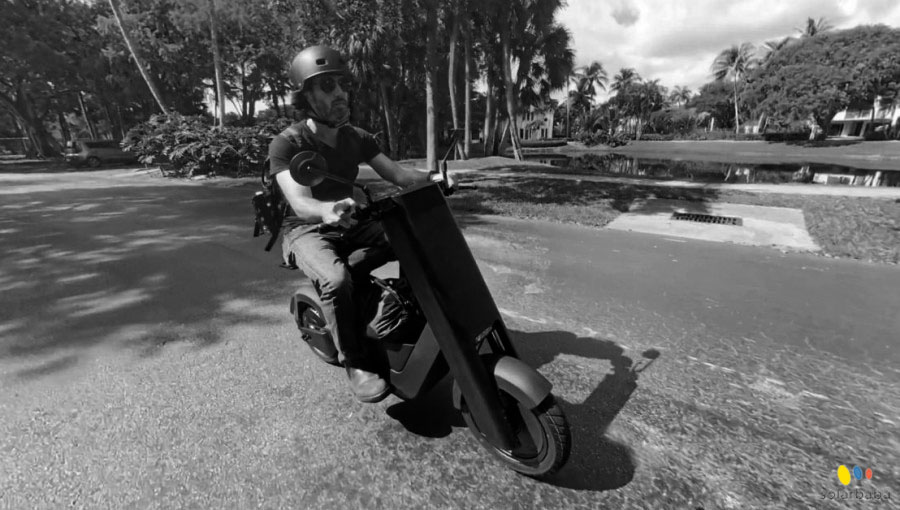
In the United States, current Class 3 e-bike regulations cap assisted speeds at 28 mph to ensure compatibility with bike infrastructure and multi-use paths. Yet many commuters require an option that offers more roadway capability than a standard bicycle while remaining significantly lighter and easier to handle than a 400-pound motorcycle. Models such as the Infinite Machine Olto illustrate this intermediate space, incorporating hydraulic brakes, rearview mirrors, and advanced lighting packages.
Creating a distinct regulatory classification permitting speeds around 35 mph would integrate such vehicles into roadway traffic without subjecting them to the full compliance burdens of high-speed motorcycles. The proposed framework would mandate critical safety equipment—including turn signals and high-performance braking systems—while explicitly restricting these vehicles from designated bike lanes. Echoing regulatory approaches used for mopeds and light scooters across Europe and Asia, this intermediate framework could help the US move past the binary bicycle-motorcycle divide and foster a more diverse, functional urban mobility ecosystem.
Source: Solarbaba – In Turkish