
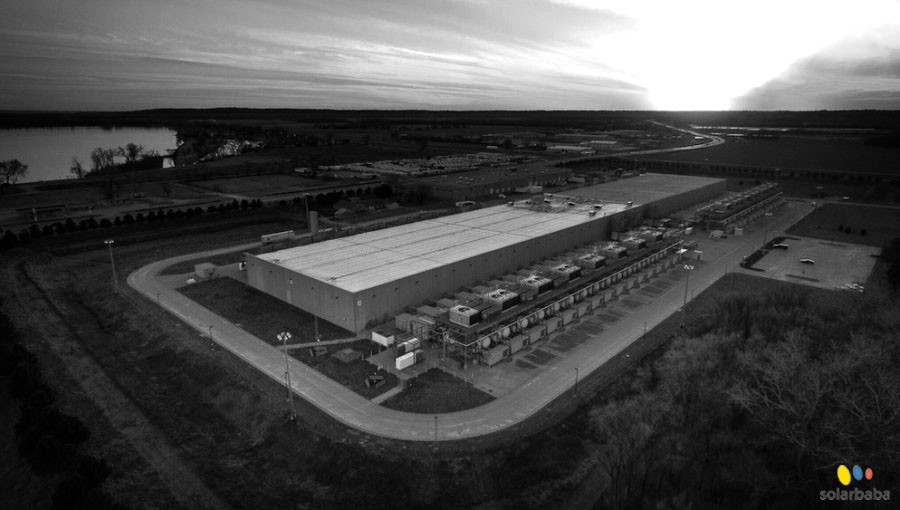
Battery Energy Storage Systems (BESS) have become a critical solution for meeting the energy needs of data centers, offering speed and cost advantages over traditional gas-based systems. According to a report by the Volta Foundation, these systems are particularly successful in managing energy demand during peak hours and providing temporary power during grid connection delays. However, they struggle to compete with diesel generators and fuel cells in terms of long-term backup or uninterruptible mains power supply. The future of the sector appears to depend on the standardization of integration processes and the clarification of regulatory policies.
Large-scale technology companies such as Google, Microsoft, Meta, Alibaba, Tencent, and ByteDance continue to invest in BESS technology to strengthen their energy infrastructure. Supported by suppliers like Fluence, Energy Vault, and Hithium, these systems offer flexibility in managing daily cycles and reducing demand-based costs. Where local tariff structures allow, these battery systems stand out as a significant economic efficiency tool for data centers.
From a technological standpoint, the biggest challenge for BESS systems arises from long-term backup requirements exceeding four hours. While diesel generators remain competitive in this regard, gas turbines and fuel cells continue to be preferred for uninterrupted power needs. Furthermore, integration and control mechanism issues encountered during system commissioning pose a greater technical obstacle than the battery chemistry itself.
The biggest uncertainty for investors is the lack of standardization in load profiles and integration methods. The next few years will determine whether battery systems will be a permanent element or a temporary solution in data center infrastructure. If grid connectivity processes become a constrained standard and energy storage costs improve, batteries will play an indispensable role in energy management.
The Volta Foundation recommends that developers focus on hybrid architectures to maximize the benefits of this technology. Furthermore, policymakers standardizing large-scale load tariffs and market participation rules will eliminate uncertainty in the sector, paving the way for future infrastructure investments.
Source: Solarbaba – In Turkish