


The German Energy Storage Association (BVES) is preparing to file a complaint with the European Commission, arguing that Germany’s proposed Electricity Supply Security and Capacity Act (StromVKG) unfairly excludes energy storage technologies. Designed to ensure electricity security following the country’s coal phase-out, the proposed 9 GW capacity auction includes technical requirements that, in practice, can only be met by natural gas power plants. Industry representatives argue that the legislation restricts competition, violates the principle of technology neutrality, and creates unjustified barriers for energy storage projects entering the market.
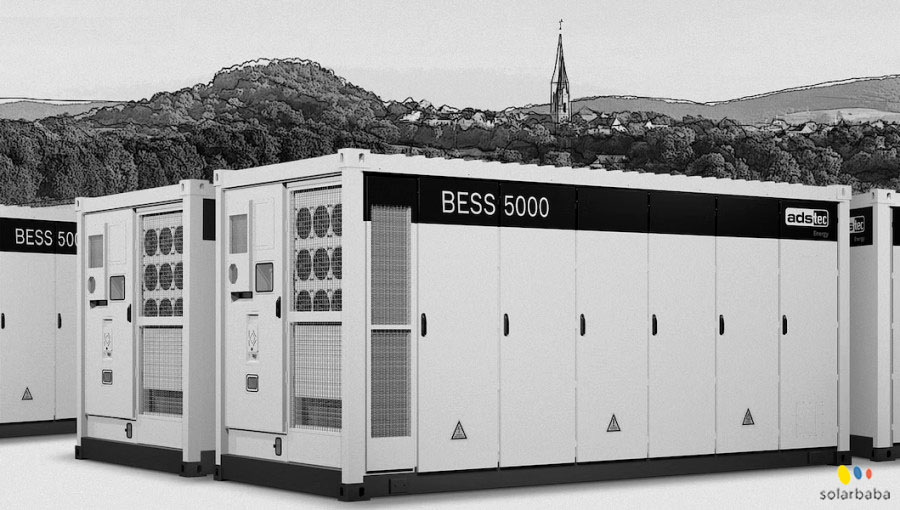
According to BVES, one of the proposal’s most significant shortcomings is its refusal to allow multiple energy storage facilities to aggregate their capacity and participate as a single virtual power plant. In addition, the requirement that projects must supply electricity continuously for at least 10 hours, recover within one hour, and then provide another uninterrupted 10-hour discharge effectively excludes battery energy storage systems. The association argues that these rules ignore the flexibility, cost advantages, and operational capabilities of modern storage technologies.
The German Renewable Energy Federation (BEE) has voiced similar concerns, stating that the proposal creates an unfair competitive advantage for natural gas generation. BEE also criticizes the requirement that at least 50% of project components must originate from Europe for storage projects, while no equivalent domestic sourcing requirement applies to natural gas plants. Furthermore, the draft legislation does not include a binding roadmap for converting gas-fired power plants to green hydrogen or biomethane, raising concerns about prolonged dependence on fossil fuels.
Meanwhile, representatives of Germany’s gas industry generally support the proposed legislation but are also calling for revisions. The sector argues that the proposed €173/kW payment cap may not adequately cover project costs and investment risks. Industry groups also recommend that inertia services should be managed separately by transmission system operators rather than through the capacity market mechanism. Investors continue to call for greater regulatory certainty and faster permitting procedures to support future energy infrastructure investments.
Source: Solarbaba – In Turkish