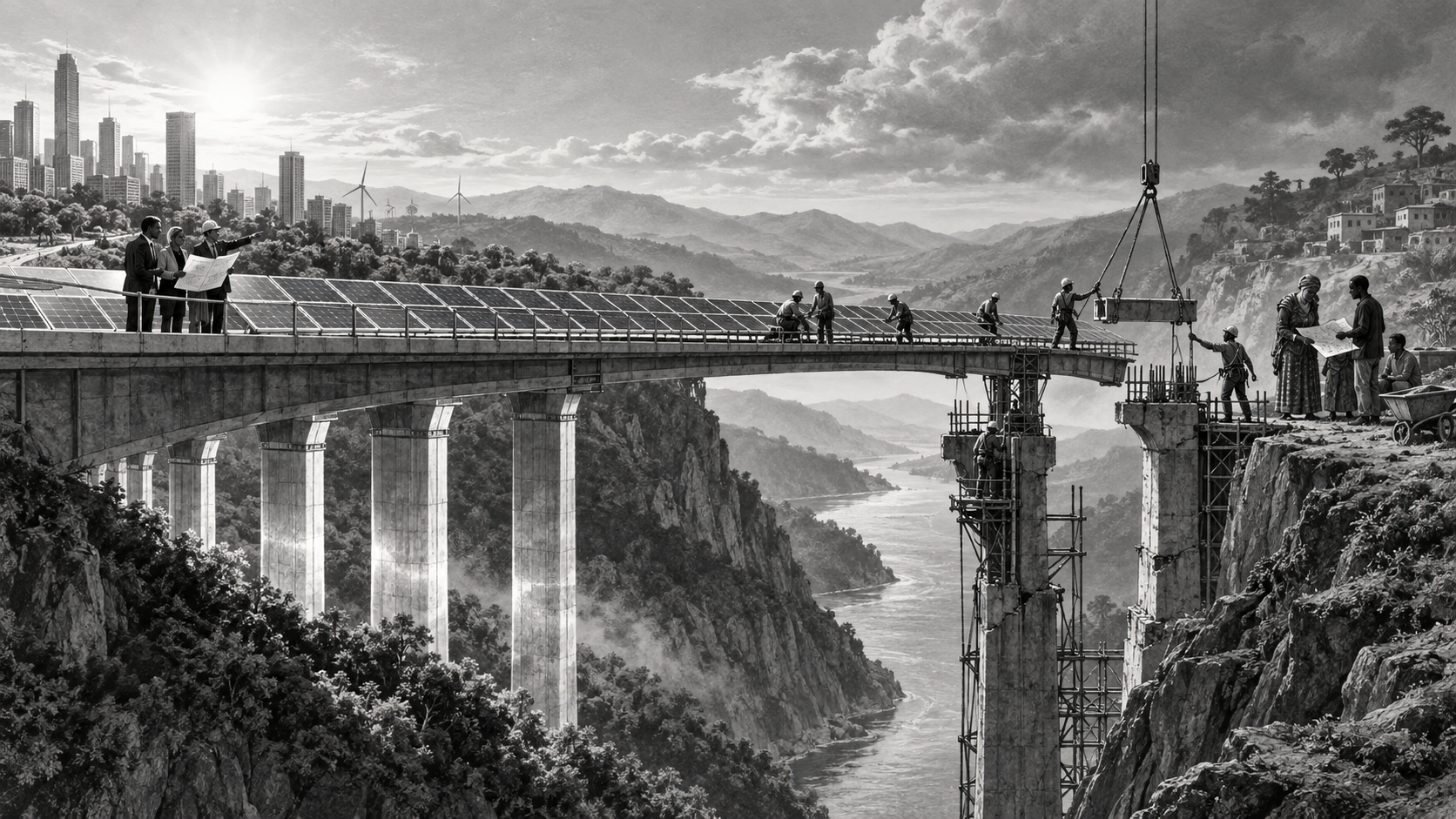

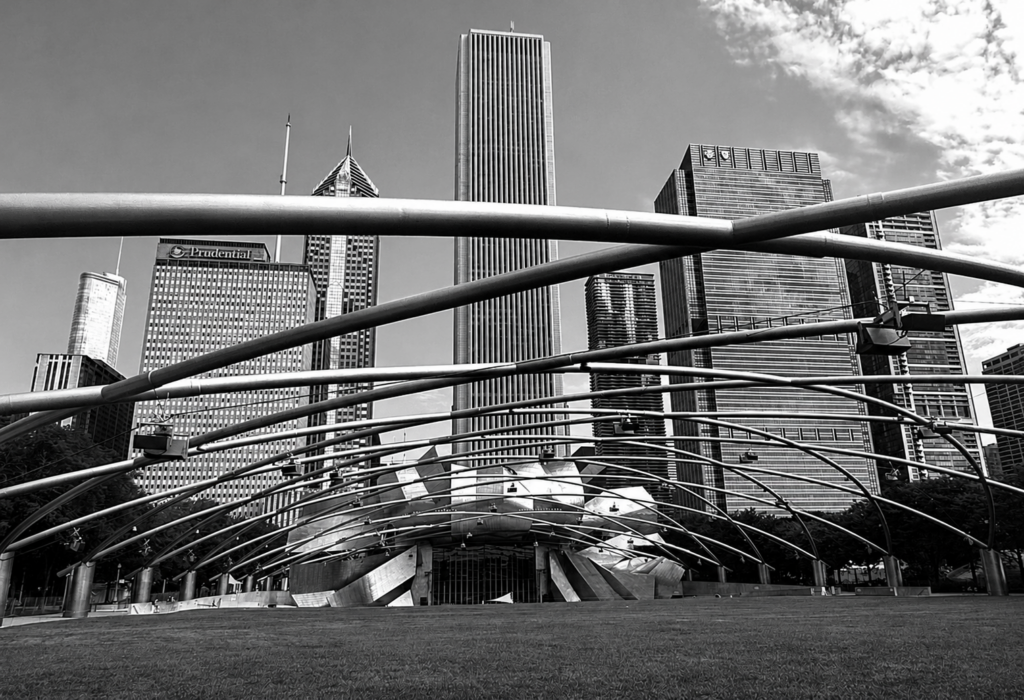
After an intensive week in New York for the United Nations High-level Political Forum, I travelled to Chicago for the first time. I expected to discover a city famous for its skyline, architectural heritage and deep-dish pizza. What I found was something more meaningful: a city whose identity has been shaped by the courage to rebuild, experiment and imagine a different future.
Throughout my professional life, I have worked at the intersection of energy transition, sustainable cities, climate finance and resilient agri-food systems. This inevitably influences the way I experience a city. I am interested not only in what has been constructed, but also in the vision behind it: how a city responds to crisis, how it connects infrastructure with public life, and whether its development ultimately improves the lives of the people who call it home.
Chicago offered many opportunities to reflect on these questions. Its architectural history, the newly opened Obama Presidential Center and the continuing legacy of Michelle Obama’s work on healthy food and community gardening appeared, at first, to represent three different stories. Yet as my visit unfolded, I began to see them as parts of the same narrative: the story of how cities can reinvent themselves when vision, design and community come together.
A City That Rebuilt More Than Its Buildings
Chicago is widely regarded as one of the world’s great cities of architecture. The Chicago Architecture Center, the river cruise and a walk through the city centre reveal an extraordinary collection of buildings, each reflecting the ambitions, technologies and social priorities of a different era.
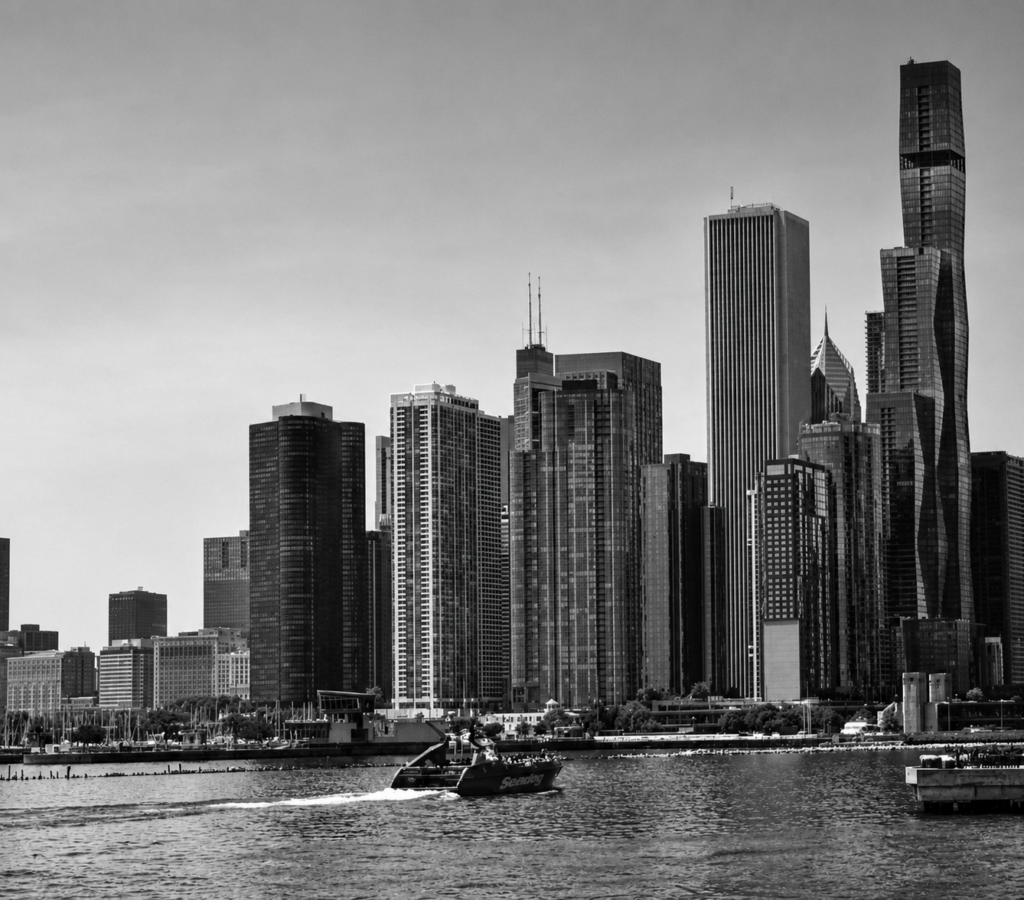
The city’s architectural identity cannot be separated from the Great Chicago Fire of 1871. The destruction was immense, but the response was not simply to restore what had existed before. Chicago became a laboratory for new construction methods, new materials and new ideas about urban life. Engineers and architects experimented with steel-frame structures, vertical development and new approaches to building safety. Their work helped shape the modern city far beyond Chicago itself.
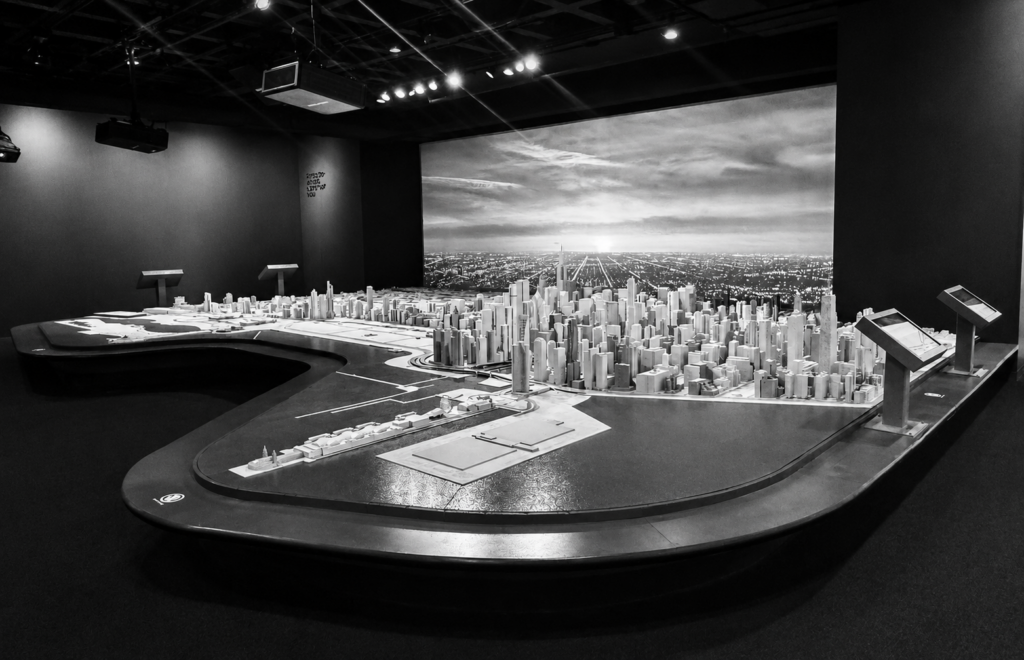
This history made me think about the relationship between crisis and transformation. Cities are increasingly confronting climate-related disasters, ageing infrastructure, social inequalities and the need to decarbonise their energy, transport and building systems. The question is no longer whether cities will change, but whether they will merely repair existing systems or use this moment to build something fundamentally better.
Chicago’s story shows that reconstruction can become reinvention. Its most important architectural legacy may therefore be not a particular skyscraper, but a culture of experimentation and long-term thinking.
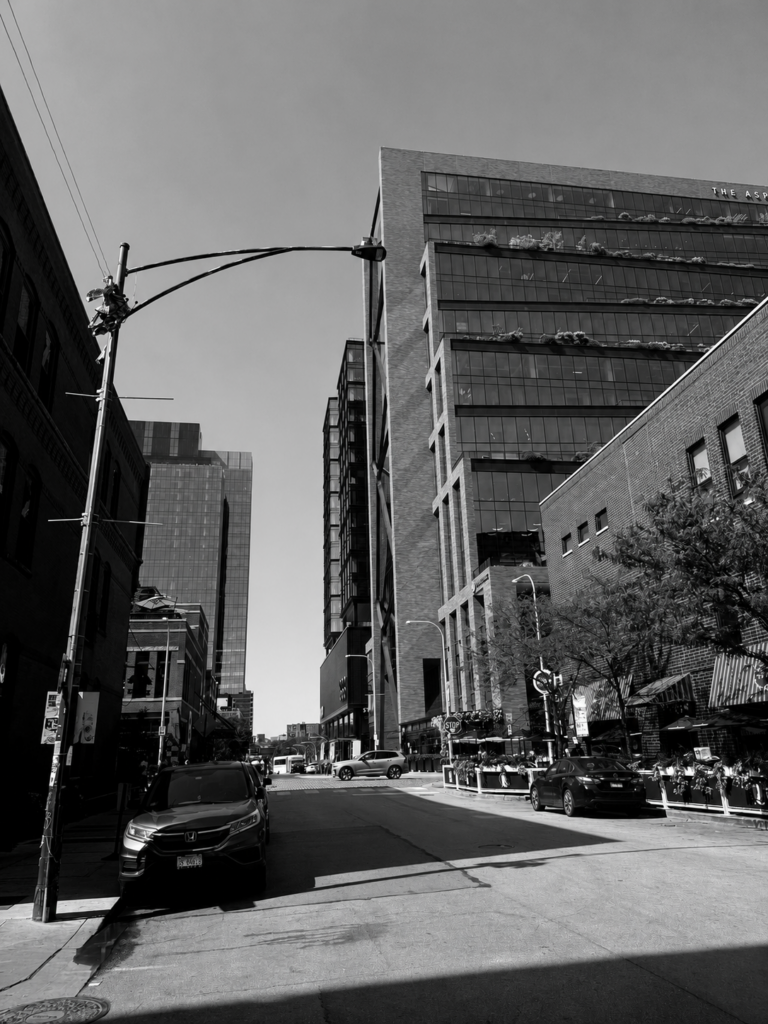
That culture is still visible today. The transformation of former industrial areas, the revival of waterfront spaces, the adaptive reuse of older buildings and the integration of parks, public art and pedestrian areas demonstrate how a city can preserve its identity while responding to contemporary needs. Districts such as Fulton Market illustrate this particularly well. Warehouses and industrial buildings remain part of the neighbourhood’s character, but they now exist alongside restaurants, offices, residences and new public spaces.
Millennium Park provides another example of how architecture, landscape design, culture and public life can be brought together. Cloud Gate may be its most recognisable feature, but the park’s greater achievement lies in the way it creates a common space in the centre of a dense city. It is a reminder that urban development is not only about buildings. It is also about the relationships between buildings, people and nature.
For those of us working on sustainable cities, this is an important distinction. A green city cannot be created through isolated technical interventions. Solar panels, efficient buildings, electric buses and digital systems are essential, but they do not automatically create a liveable city. Sustainability requires a coherent vision connecting energy, mobility, architecture, public space, social inclusion and local economic development.
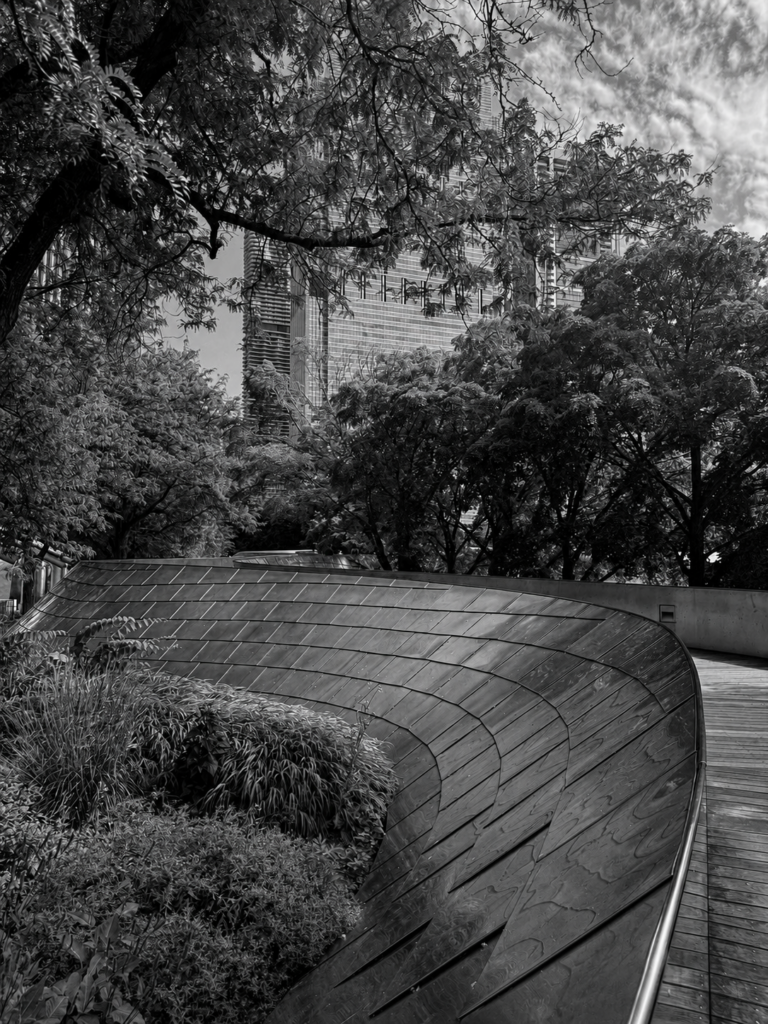
Chicago helped me see this systems perspective in physical form. Its architecture records the city’s history, but it also raises a question for the future: what kind of urban legacy are we creating today?
The Obama Presidential Center: A Living Institution for the Community
One of the most meaningful parts of my visit was seeing the recently opened Obama Presidential Center on Chicago’s South Side.
Barack Obama’s political journey is deeply connected to Chicago, where he worked as a community organiser before entering public office. The location of the Center is therefore not incidental. It reflects an understanding that leadership does not begin only in government institutions. It often begins in neighbourhoods, through listening, organising and bringing people together around shared challenges.
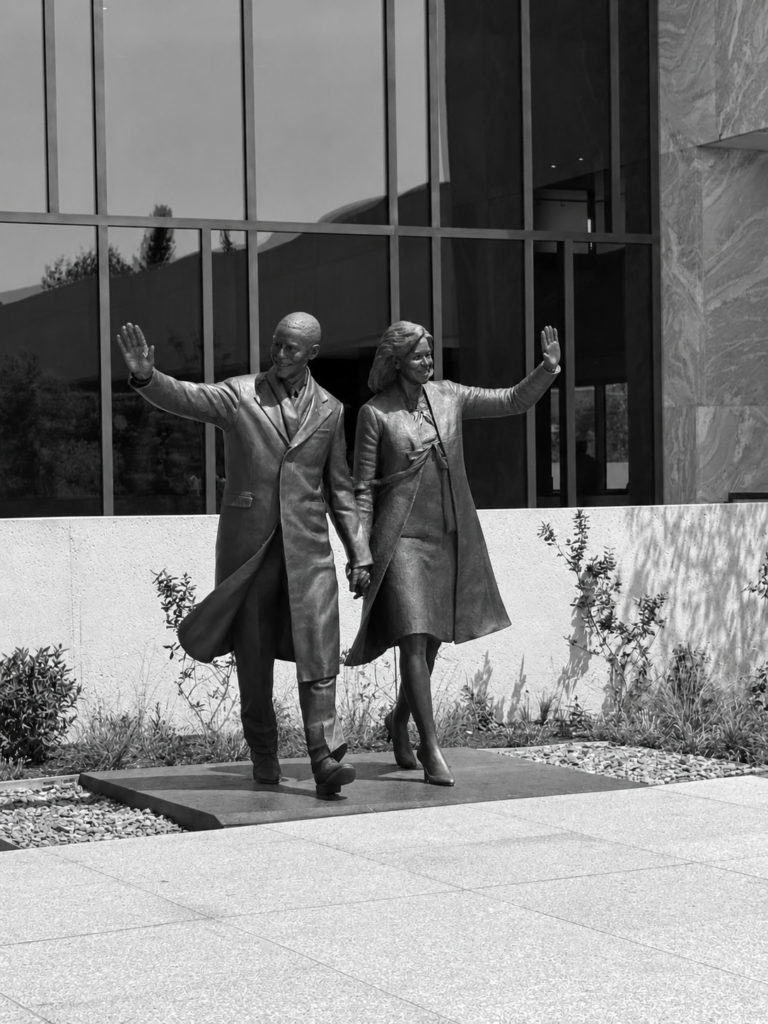
What distinguishes the Obama Presidential Center from a conventional presidential library is its ambition to become a living civic institution. It does not appear designed solely to preserve the memory of a presidency. Its wider purpose is to encourage participation, leadership, dialogue and community engagement, particularly among younger generations.
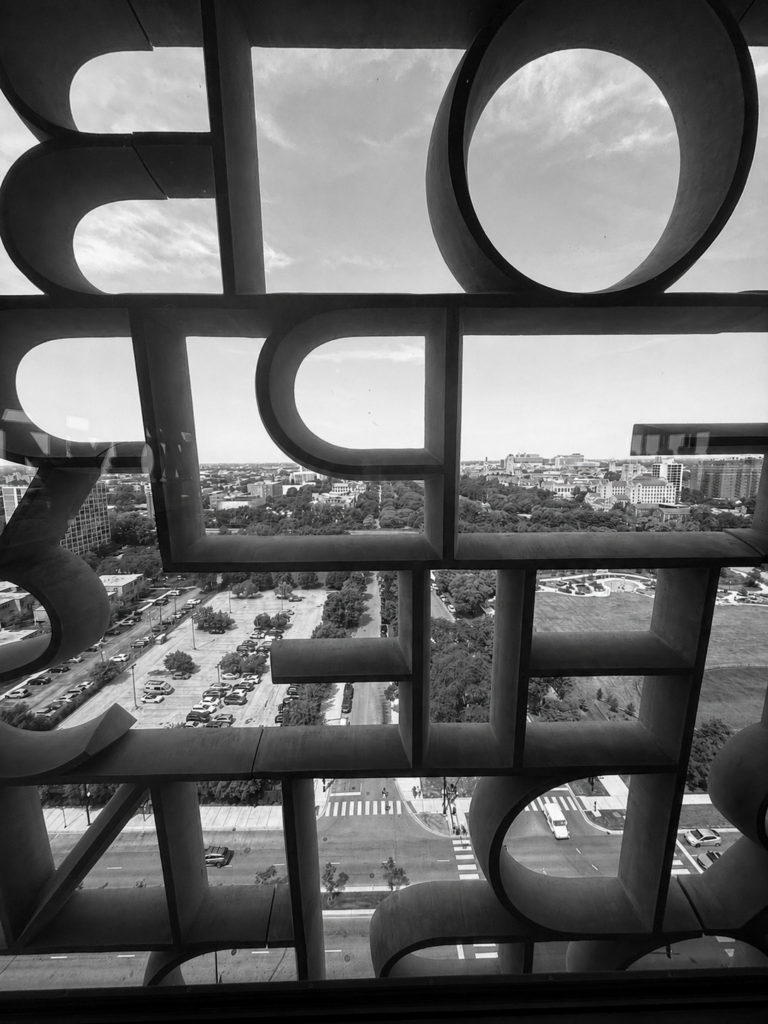
This approach gives the Center a significance that extends beyond Barack Obama’s personal legacy. It represents an investment in place and in people. Its public spaces, gardens, cultural programmes and educational activities are intended to become part of the surrounding community rather than remain separate from it.
That relationship between an institution and its neighbourhood is especially important. Large cultural projects can sometimes transform an area without genuinely including the people who already live there. The deeper promise of the Obama Presidential Center is that it can contribute to local opportunity while remaining rooted in the history and identity of the South Side.
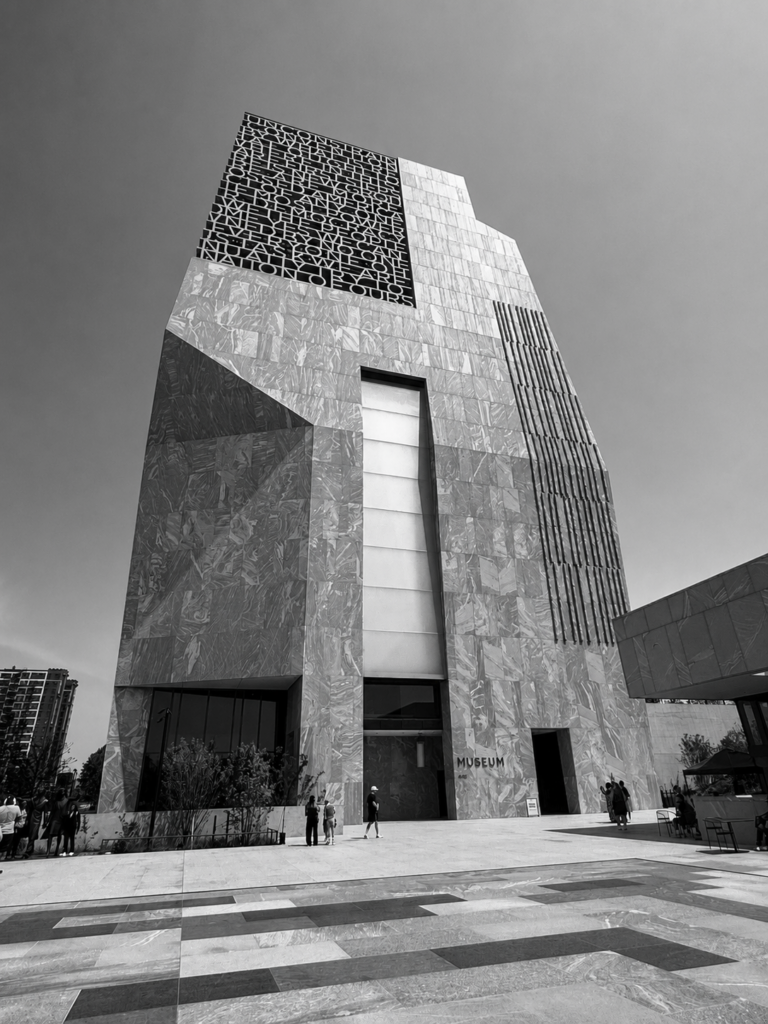
The values communicated through the Center also feel particularly relevant today: hope, inclusion, responsibility, service and the belief that ordinary citizens can participate in shaping public life. These ideas may sound idealistic, but social transformation is difficult to sustain without them. Technology can enable change, finance can accelerate it and policy can provide direction, but trust and collective ownership determine whether that change becomes meaningful.
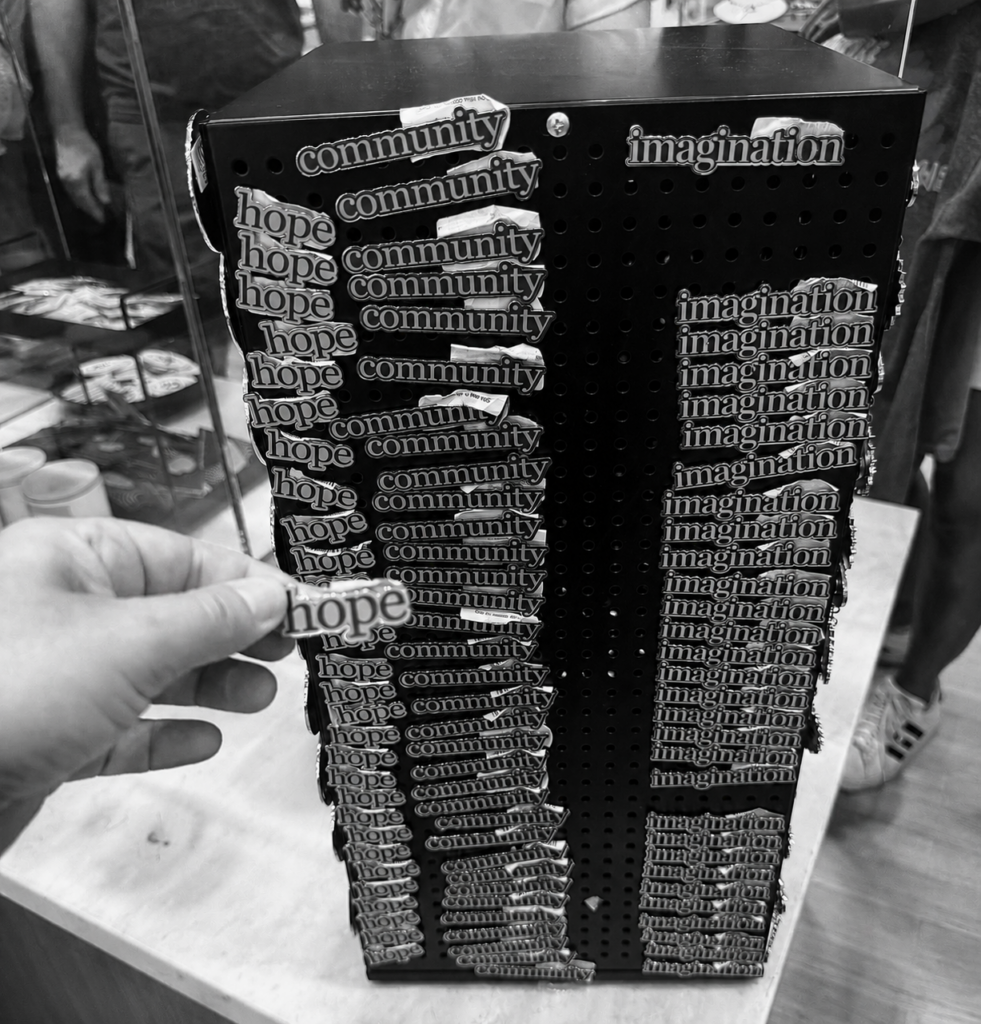
This strongly connects with my own work. Whether we are supporting municipalities through their climate transition, developing renewable-energy communities or creating cooperatives around sustainable agriculture, the most successful initiatives are rarely those imposed from above. They are the ones that people understand, influence and eventually regard as their own.
The Center therefore made me reflect on what leadership means in the context of sustainability. Leadership is not only the ability to define a vision. It is also the ability to build structures through which others can participate in that vision. A truly transformative institution does not simply tell its own story. It enables new stories to begin.
From the White House Garden to Sustainable Food Communities
The gardens surrounding the Obama Presidential Center naturally brought to mind another important part of the Obama legacy: Michelle Obama’s work on healthy food, nutrition and community gardening.
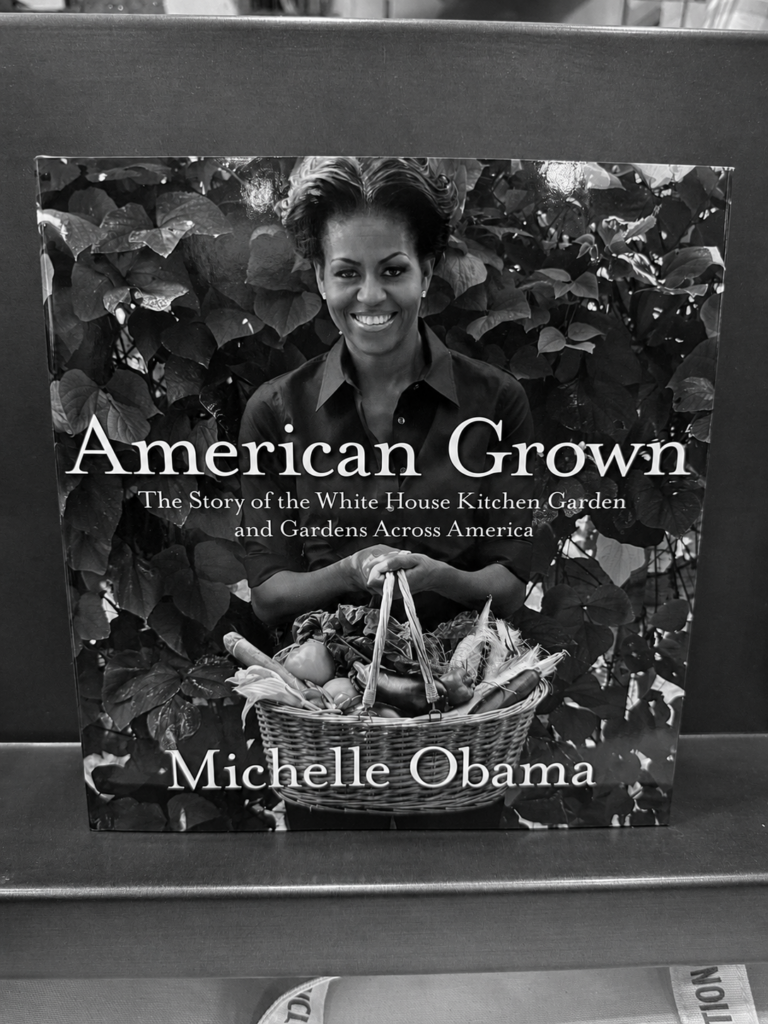
In 2009, as First Lady, Michelle Obama established the White House Kitchen Garden. The initiative became closely connected to her broader efforts to promote healthier lifestyles and address childhood obesity. Its symbolism was powerful. At one of the most recognisable political residences in the world, a vegetable garden created a direct and visible connection between the soil, the food we eat and public health.
The garden made sustainable food systems understandable at a human scale. It showed that discussions about agriculture, health and the environment do not have to remain confined to policies, reports or expert meetings. They can begin with children learning how vegetables grow, families preparing fresh food and communities reclaiming underused land.
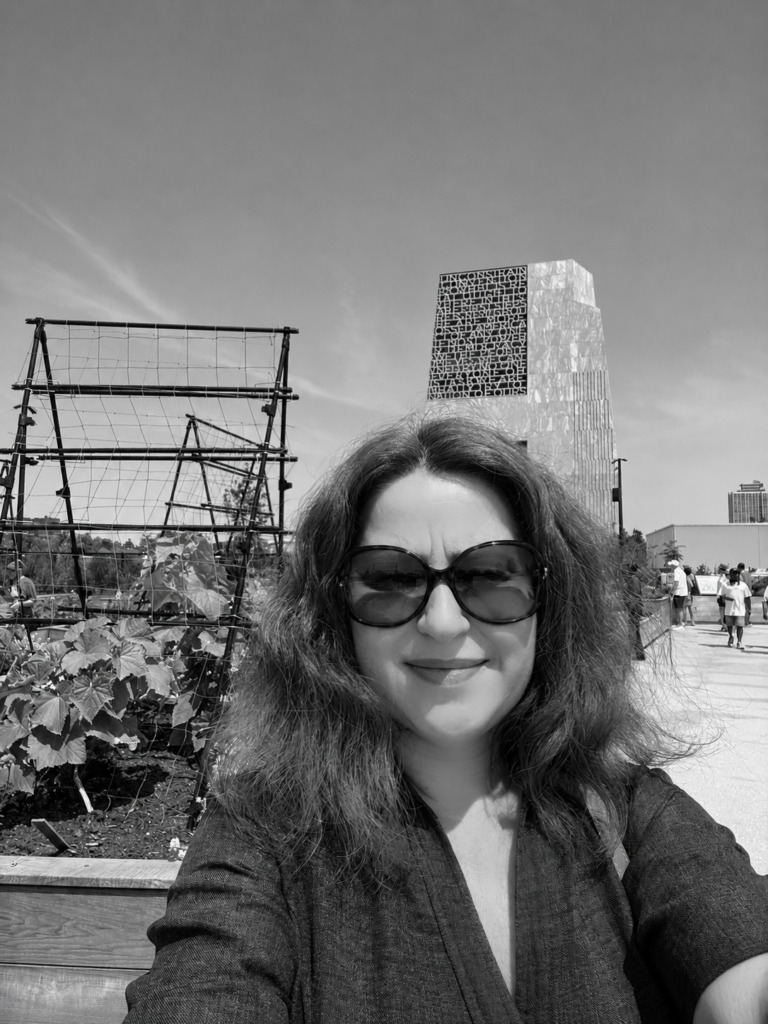
Community gardens can play a much wider role than their physical size might suggest. They can provide access to fresh produce, create habitats for pollinators, support biodiversity and reduce the distance between food production and consumption. They can also serve as outdoor classrooms and meeting places, bringing together people who may otherwise have little opportunity to interact.
In dense urban environments, their social value can be as important as their environmental contribution. Gardening requires patience, cooperation and care. It creates a shared responsibility for a living space and offers a tangible experience of what it means to nurture something collectively.
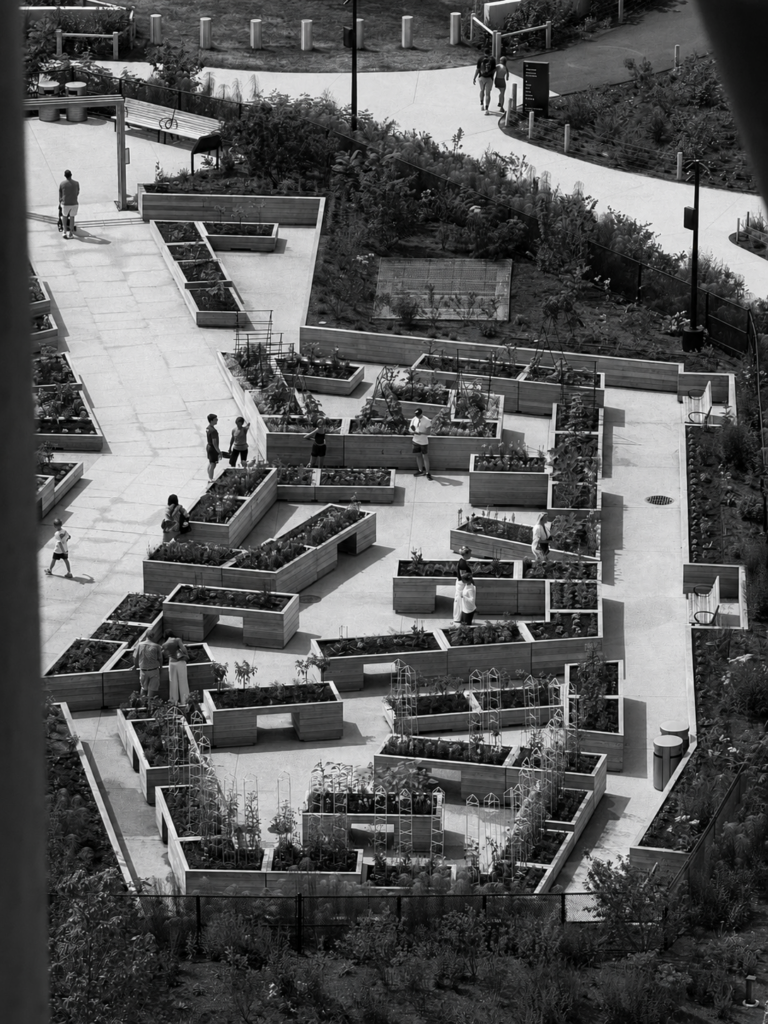
These ideas connect closely with my work in sustainable agriculture and local development. Through the Sustainable Agriculture Scientific R&D Cooperative and my involvement in projects concerning resilient agri-food systems, I have repeatedly seen that food cannot be considered separately from energy, water, climate, biodiversity or community wellbeing.
The way food is produced influences land and water resources. The way it is processed determines energy demand and waste generation. The way it is distributed affects emissions, affordability and access. The way communities engage with food influences both public health and local resilience.
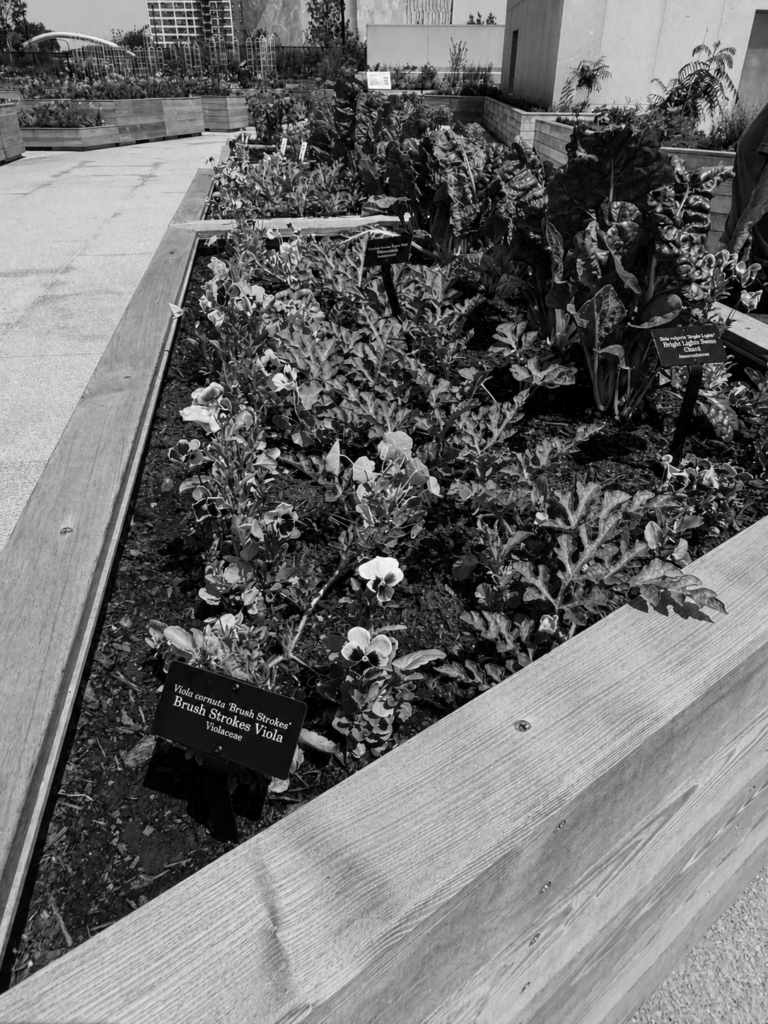
For this reason, sustainable agriculture is not only a rural issue. Cities are an essential part of the food system. They shape demand, procurement, waste management, land use and consumer behaviour. Urban gardens alone cannot feed an entire city, but they can help restore the relationship between citizens and the systems that sustain them.
Michelle Obama’s garden was important because it communicated this relationship simply and positively. It turned healthy food into a shared cultural conversation and demonstrated how a relatively small intervention could influence public awareness far beyond its physical boundaries.
Designing Cities Around Shared Values
As I looked back on my time in Chicago and the photographs and observations, I realised that the most memorable part of the journey was not any single building or landmark. It was the way different experiences began to connect.
Chicago’s architecture tells the story of a city that responded to destruction by becoming a centre of innovation. The Obama Presidential Center demonstrates how a major public institution can be designed around community participation, civic responsibility and hope. Michelle Obama’s work on gardens and healthy food reminds us that transformation also begins through small, practical actions embedded in everyday life.
Together, these stories offer a broader understanding of sustainability.
Sustainability is often discussed through targets, technologies and investments. All of these are necessary, particularly as cities face the urgent challenge of decarbonisation. Yet a sustainable city is ultimately not defined only by its carbon emissions. It is defined by the quality of life it creates, the opportunities it distributes and the ability of its communities to participate in shaping their future.
Architecture influences how we experience a city. Energy systems determine how it functions. Food systems affect both human and environmental health. Public institutions shape trust and participation. Community spaces allow people to encounter one another and develop a sense of belonging.
When these elements are planned separately, cities become fragmented. When they are guided by common values, they can become more resilient, inclusive and liveable.
This is also the perspective I try to bring to my own work. The energy transition cannot succeed as a purely technical exercise. Sustainable agriculture cannot be reduced to production efficiency. Climate-neutral cities cannot be achieved through infrastructure investment alone. Each requires a shared vision, long-term cooperation and the involvement of the people whose lives will be affected.
Chicago reminded me that cities are never truly finished. They are constantly being rebuilt through decisions about buildings, public spaces, institutions and communities. The most important question is whether those decisions respond only to the immediate needs of the present or contribute to a more inclusive and sustainable future.
Perhaps that is Chicago’s most enduring lesson. The city’s greatest achievement is not simply that it rose from destruction, but that it developed the confidence to imagine something that had not existed before.
Today, as cities around the world confront the realities of climate change, social inequality and rapid transformation, we need that confidence again. We need the courage not only to improve existing systems, but to rethink them. We need to design cities where architecture serves people, institutions strengthen communities and access to healthy food is understood as part of a resilient urban future.
Chicago shows that such a future does not emerge by accident. It has to be imagined, designed and built together.