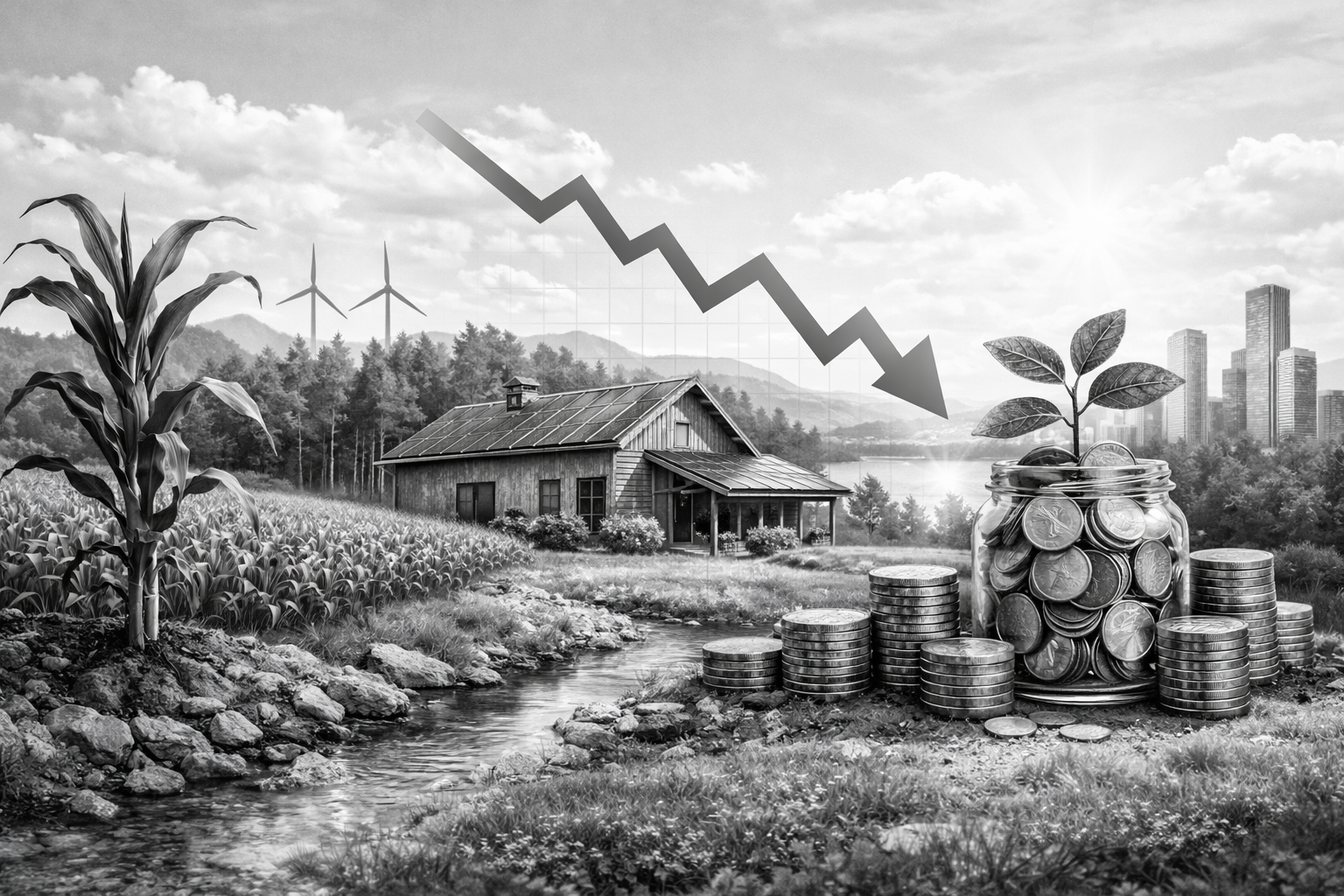




The concepts of environment, nature, and finance have long been part of public discourse. What is relatively new is the way finance and environmental responsibility have converged into a single framework over the past decade. This convergence has given rise to what is now widely known as green finance, a term that has moved rapidly from the margins of financial systems to their core.
As a former banker and a finance professional with more than two decades of experience, it is worth beginning with a clarification that is often overlooked. Finance and financing, though closely related, are not interchangeable. Finance refers to a broader discipline that includes identifying capital needs, sourcing and managing funds, making investment decisions, and structuring borrowing and lending. Financing, by contrast, focuses on the provision of funds to support specific activities or investments. Understanding this distinction is essential to understanding green finance itself.
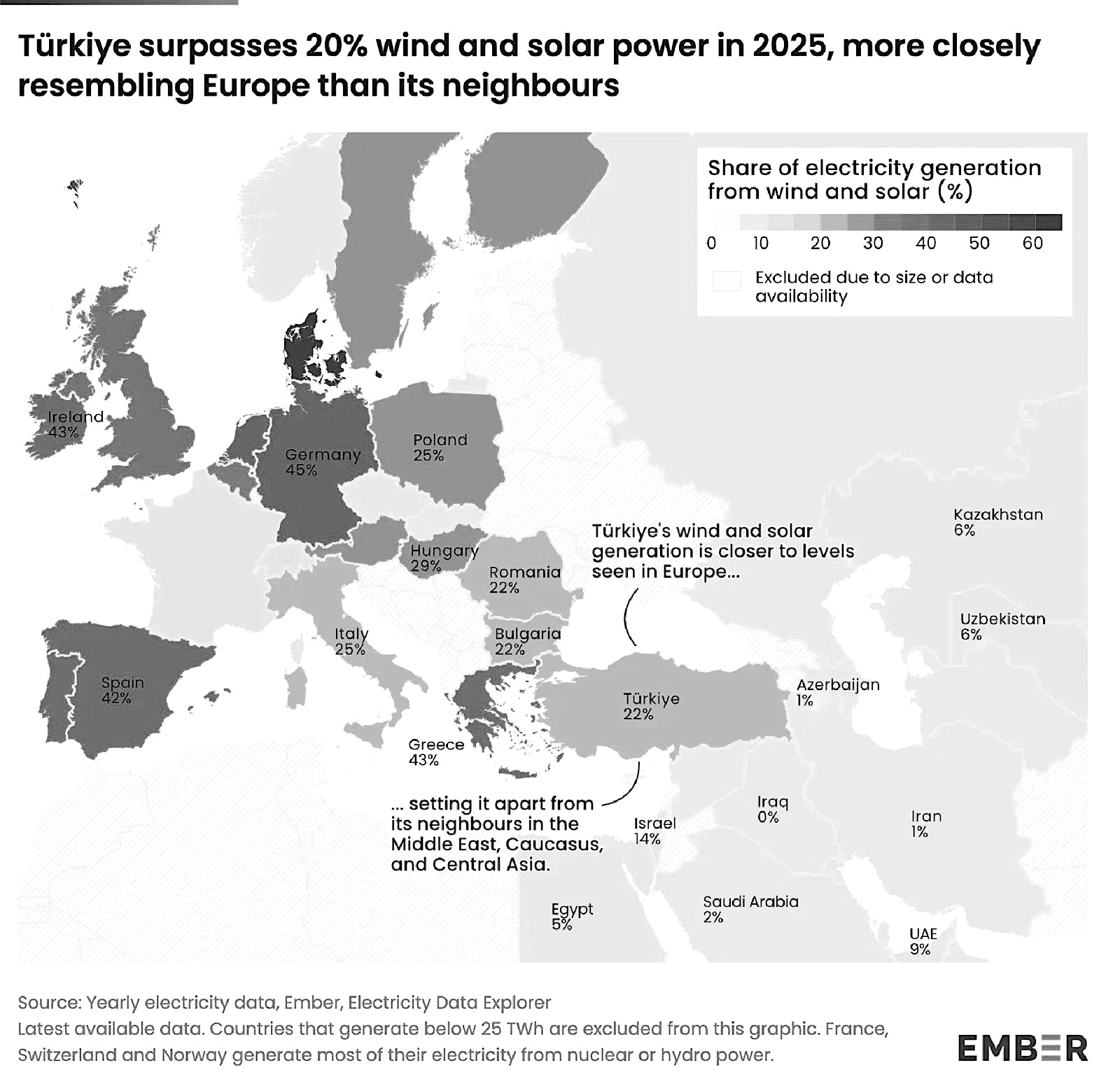
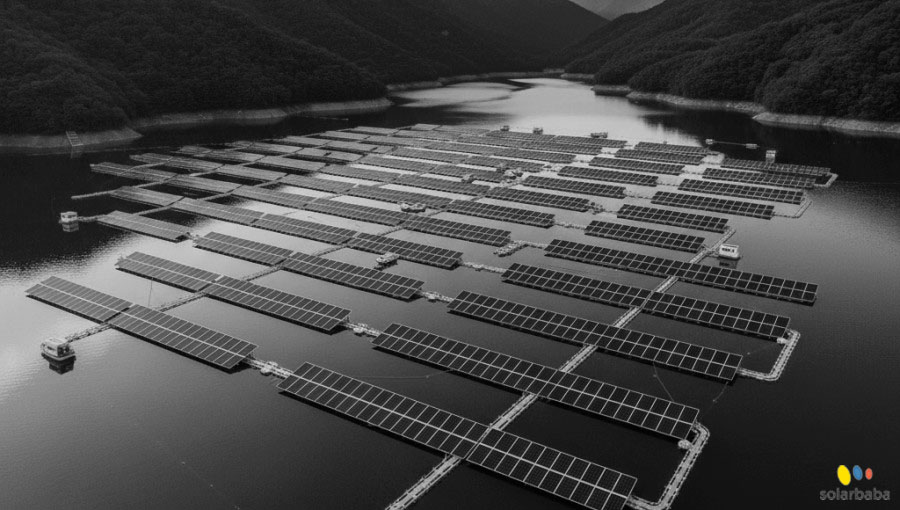
Green finance encompasses financial instruments, practices, and investments designed to support environmental sustainability and climate action. Its primary objective is to direct capital toward projects that reduce environmental harm, improve resource efficiency, or mitigate climate change. These include renewable energy, energy efficiency, sustainable water and waste management, clean transport, green buildings, and circular economy initiatives. Increasingly, biodiversity protection and ecosystem restoration are also becoming part of this financial landscape.
Beyond environmental benefits, green finance carries long-term economic and social value. Energy efficiency investments, for example, can lower operating costs and improve resilience, while sustainable infrastructure can reduce exposure to climate-related risks. By integrating environmental, social, and governance considerations into financial decision-making, green finance encourages companies and institutions to adopt more durable business models.
Verification plays a central role in this process. While often perceived as an administrative burden, independent assessment ensures that funded projects meet defined environmental criteria. This safeguards both investors and financial institutions, improves investment quality, and reinforces accountability among project developers.
The financial sector is increasingly at the forefront of this transformation. As banks and investors align their portfolios with sustainability objectives and international climate commitments, access to capital is becoming contingent on environmental performance. Regulatory developments, including climate risk assessments and emerging indicators such as the Green Asset Ratio, are reshaping how financial institutions evaluate risk and allocate resources.
This shift carries important implications for small and medium-sized enterprises. Companies that can measure, report, and manage their environmental impact will find it easier to access finance, while those that cannot risk higher costs, reduced competitiveness, and diminished market standing.
Green finance does not imply an abrupt end to fossil fuel financing. Transition takes time and must be managed carefully through coherent public policy, technological readiness, workforce adaptation, and fair transition frameworks. But the direction is clear. Economic transformation follows financial signals, and today those signals increasingly point toward sustainability.
If green is the color of nature, it is steadily becoming the color of finance as well. The challenge ahead is not awareness, but execution. In a rapidly changing climate and regulatory environment, informed decision-making is no longer optional. It is the foundation of resilience.