

Garadagh, Azerbaijan —
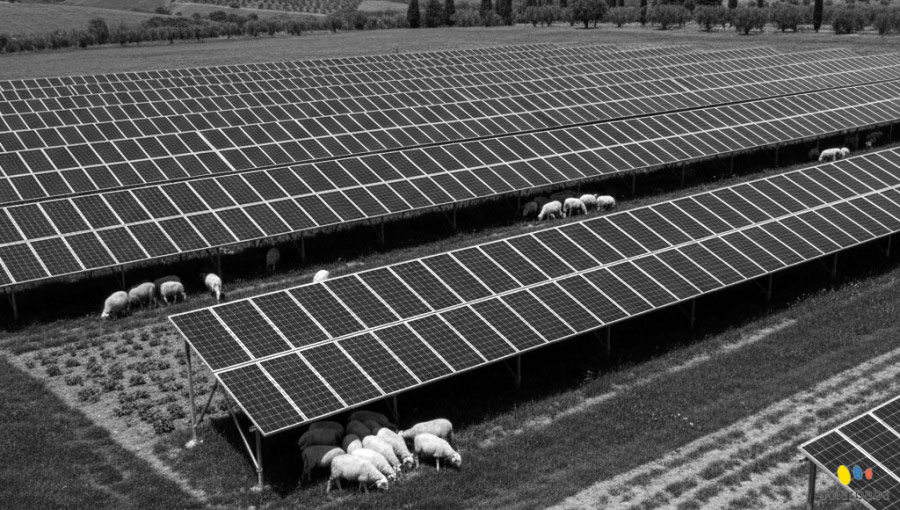
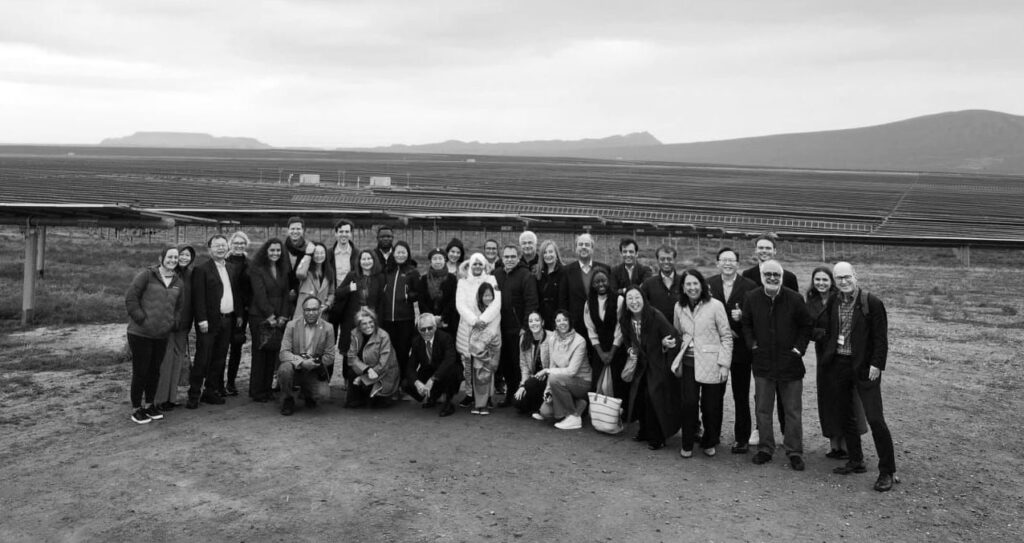
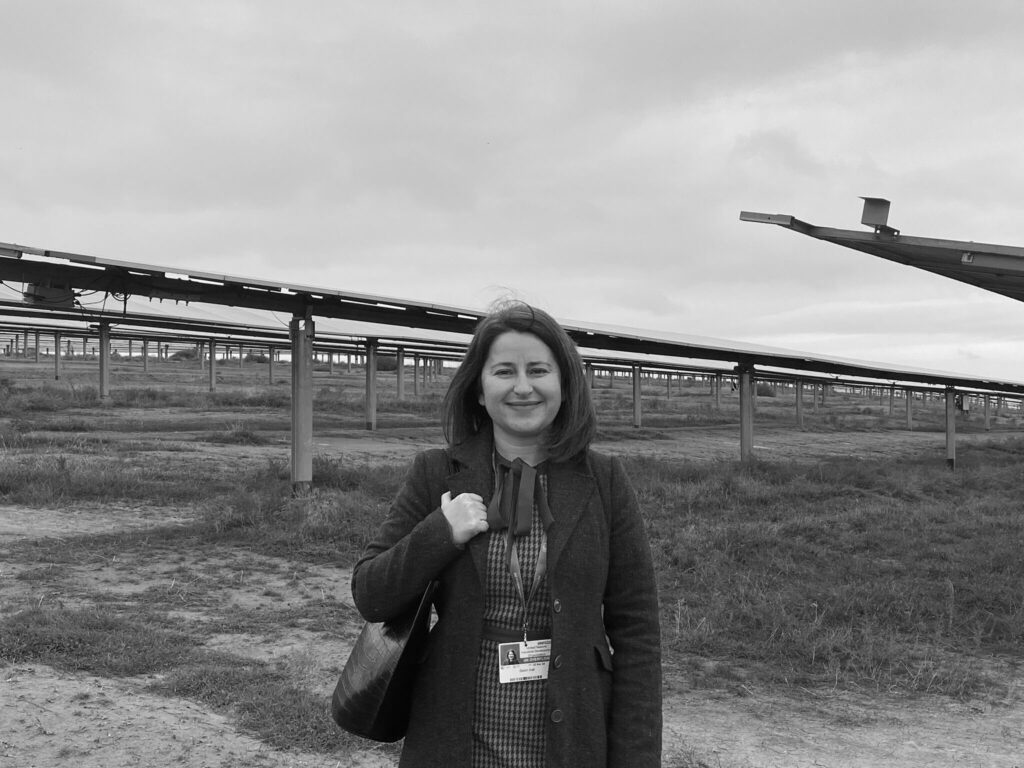
On the open plains south of Baku, rows of solar panels extend across the landscape in precise alignment, their steel frames rising from dry ground under a muted, overcast sky. The Garadagh Solar Power Plant, now fully operational, is the largest solar facility in the region — and a visible marker of how Azerbaijan’s energy story is beginning to broaden beyond hydrocarbons.
With an installed capacity of 230 megawatts alternating current, the plant commenced commercial operations in October 2023. During COP29, Garadagh has drawn attention not as a symbolic project, but as functioning infrastructure — one that is already delivering electricity to the national grid. Its scale alone sets it apart, placing Azerbaijan among the few countries in its region to have moved from renewable ambition to utility-scale execution.
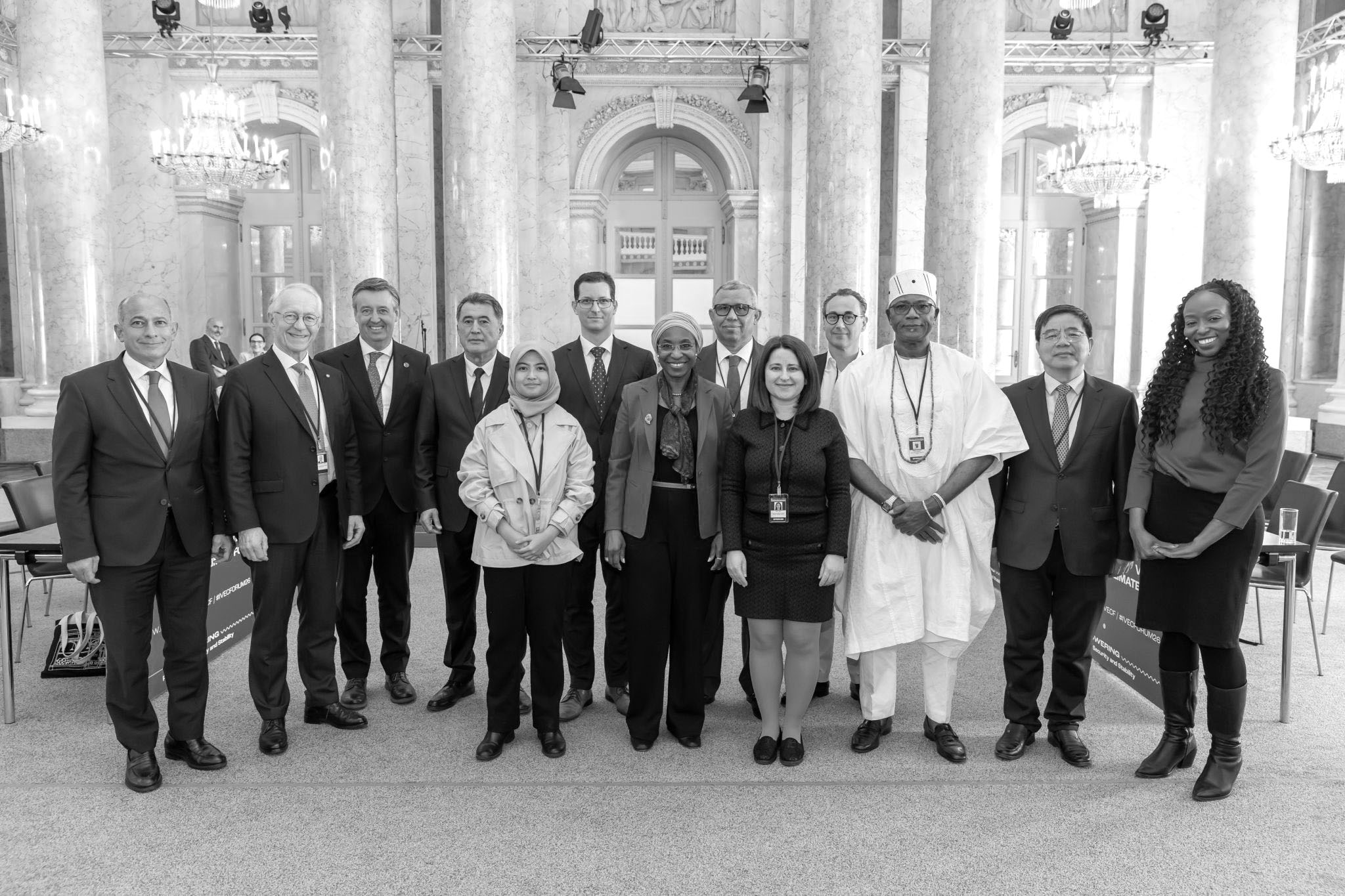
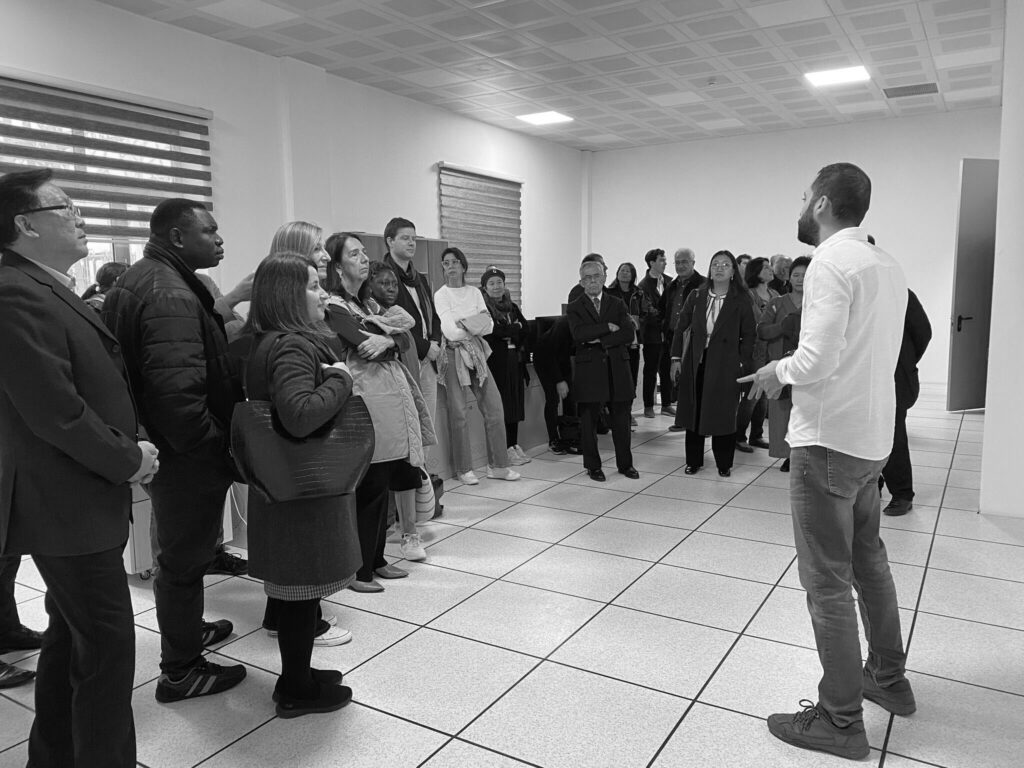
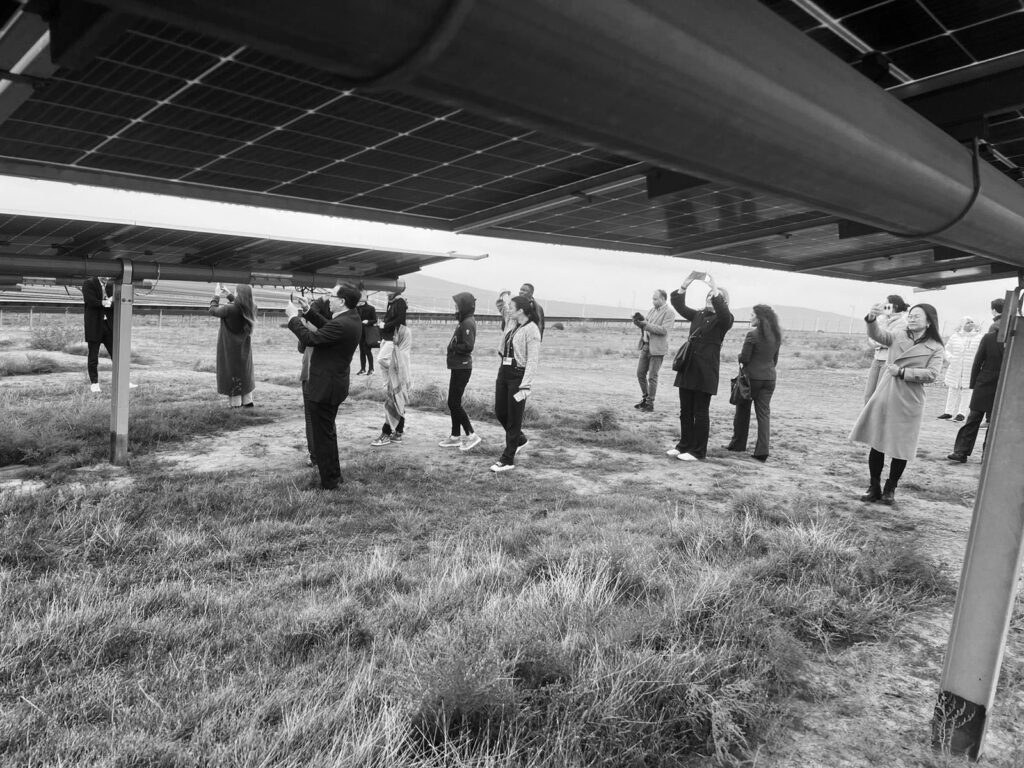
A recent site visit by members of the United Nations Council of Engineers for the Energy Transition (CEET) brought together engineers, policymakers, and energy professionals from several countries. Walking beneath the elevated panels, visitors examined the layout and design, pausing frequently to photograph technical details while Masdar Azerbaijan’s engineers explained performance data, maintenance practices, and grid integration.
The project traces its origins to April 2021, when Masdar, the Abu Dhabi Future Energy Company, signed an investment agreement with the Government of the Republic of Azerbaijan. The agreement was accompanied by a long-term power purchase agreement and a transmission connection agreement with Azerenerji OJSC, the state-owned electricity company. It marked Azerbaijan’s first utility-scale solar power project developed through foreign investment as a public-private partnership.
Garadagh’s significance lies less in technological innovation than in coordination. The plant relies on mature photovoltaic technology, but its success reflects regulatory clarity, long-term offtake guarantees, and institutional alignment — factors that often determine whether renewable projects remain proposals or become operational assets.
For Azerbaijan, the plant reflects a pragmatic approach to energy transition. Rather than positioning renewables as a replacement for oil and gas, authorities have framed projects like Garadagh as a means of diversification: meeting domestic electricity demand, reducing internal gas consumption, and strengthening energy security while maintaining export capacity.
As COP29 discussions continue, Garadagh stands as a benchmark for the region. At 230 megawatts, it is not only Azerbaijan’s largest solar installation, but the largest currently operating solar power plant in the surrounding area. Long after conference negotiations conclude, the panels at Garadagh will continue producing power — anchoring Azerbaijan’s climate ambitions in infrastructure that is already in place, and firmly rooted in the present.