
The balance between solar and hydropower generation in Europe’s energy systems underwent a significant shift in the summer of 2026. Between June 1 and August 15, hydropower generation recorded across ten different systems fell to 31.65 TWh, the lowest level in the past seven years. In contrast, solar power generation reached 84.44 TWh during the same period, more than compensating for the hydropower shortfall. Combined solar and hydropower generation increased by 47% compared with the drought period in 2022. This situation demonstrated the ability of solar energy to meet daily energy demand and reshape the way the system operates.
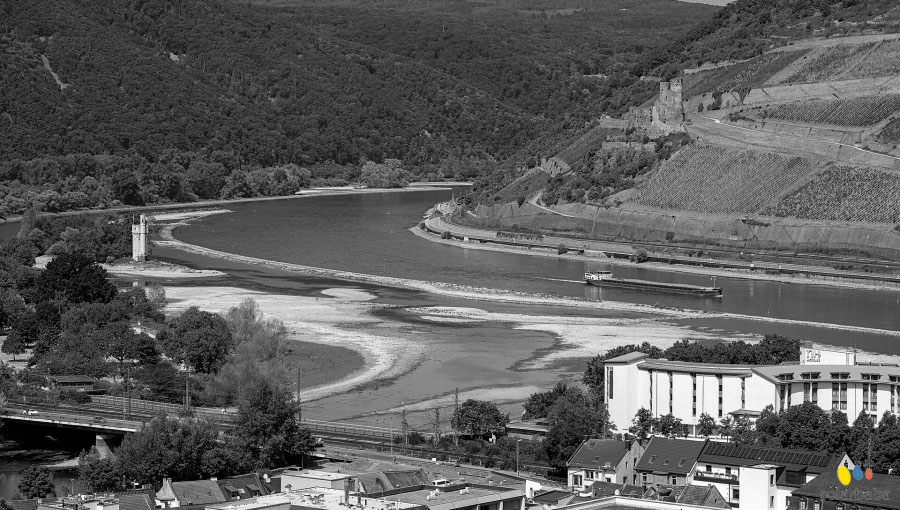
The drought experienced in the summer of 2026 followed a different pattern from the regional impacts seen in 2022. While the drought in 2022 affected the Iberian Peninsula, in 2026 it shifted toward the Alps, France, and the Danube River basin. Reservoir levels fell 7.7% below the 2015–2025 median, reaching the third-lowest level of the past twelve years. Hydropower generation declined significantly, particularly at plants in France, Italy, and Austria, while solar energy investments became the key factor filling the gap. However, the increase in solar generation did not physically compensate for the seasonal water shortages at hydropower plants; it only helped maintain the daily energy balance.
The growing share of solar energy has also fundamentally changed the operating strategies of hydropower plants. Reservoir-based hydropower plants reduced their generation during the midday hours when solar production was at its peak, shifting their output toward the evening hours when solar generation was unavailable. Pumped-storage systems have also completely reversed their operating cycles; charging, which was previously carried out at night, is now increasingly taking place during the midday hours when solar energy is abundant and electricity prices are low. This shift has also affected electricity market price structures, driving midday prices down and, in some regions, even into negative territory.
As a result, Europe’s energy system has come to operate across two different time scales. On a daily basis, the system is rapidly being optimized through solar energy and storage technologies, while seasonal risks related to hydropower reservoir levels remain. Although solar energy has successfully filled the energy gap during the summer months, it cannot replenish hydropower reservoirs. Therefore, storage solutions capable of shifting surplus solar energy into the evening hours, along with increased cross-border transmission capacity, will continue to play a critical role in future energy security.
Source: Solarbaba – In Turkish