

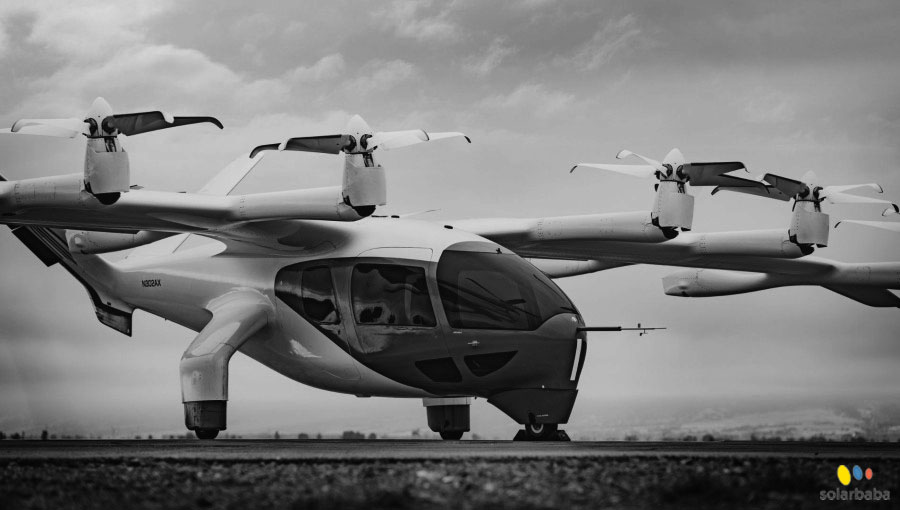
A major step is being taken to accelerate the adoption of electric air taxis in the United States. Archer Aviation, BETA Technologies, and Macquarie Capital have joined forces to establish a shared charging network covering 250 locations across the country over the next decade. Called the “America’s Consortium for Electric Skyways” (ACES), the initiative will target airports and vertiports, particularly in major cities. Using a common charging standard to serve aircraft from different manufacturers, the infrastructure aims to support both passenger transportation and cargo and medical logistics operations, enabling electric aviation to scale commercially.
Although electric air taxis have made significant progress toward entering commercial service, the lack of charging infrastructure has been regarded as one of the sector’s biggest obstacles. The ACES initiative aims to address this gap by focusing on regions such as California, Texas, Florida, and New York, where air taxi services are expected to launch. All charging points will use the Combined Charging Standard (CCS), a widely accepted and open protocol across the industry. By allowing aircraft from different manufacturers to use the same network, the standard will help prevent infrastructure fragmentation and reduce costs.
BETA Technologies will provide the charging equipment, while Archer Aviation plans to use the network for its own passenger services. Macquarie Capital will manage the financing required for facility development and site acquisition. This shared infrastructure model is designed to serve not only passenger aircraft but also cargo operators, medical transport vehicles, and even CCS-compatible airport ground support vehicles.
Officials from the U.S. Department of Transportation emphasize that the success of commercial electric aviation depends not only on aircraft certification but also on an interoperable charging network. Consortium leaders state that the initiative supports the Federal Aviation Administration’s (FAA) advanced air mobility programs and anticipate that the network will expand over time as new industry stakeholders join. This strategic partnership aims to establish a sustainable and scalable model for electric aviation.
Source: Solarbaba – In Turkish