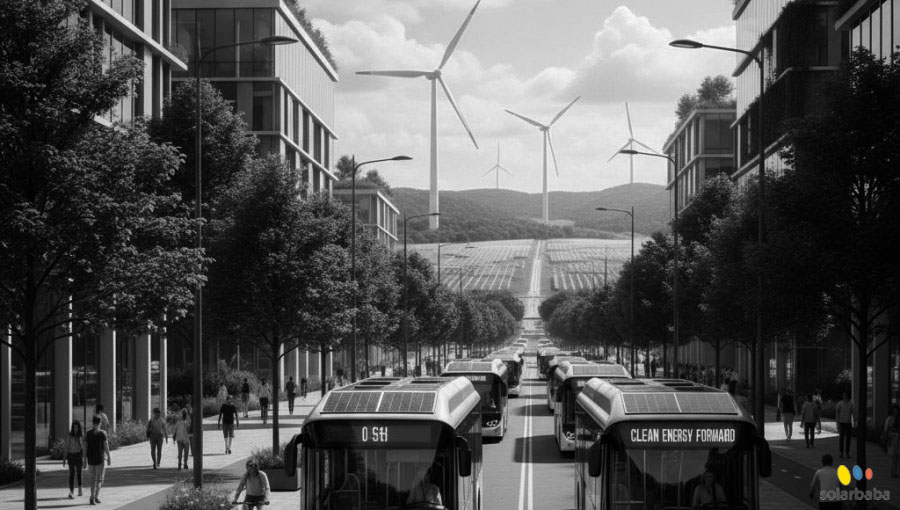
Latin America and the Caribbean have reached a major milestone in sustainable transportation, with more than 9,900 electric buses now operating across the region. While much of the global focus has been on passenger electric vehicles, the electrification of public transit fleets is playing a crucial role in reducing air pollution and carbon emissions generated by diesel-powered buses. By replacing fossil fuels with electricity produced from renewable sources such as solar, wind, and hydropower, countries across the region are improving public health while strengthening their energy independence.
The transition to electric buses is emerging as one of the most effective solutions for eliminating the environmental and health impacts associated with conventional diesel engines. Removing tailpipe emissions creates cleaner air for passengers, drivers, and urban communities, while reducing dependence on imported fossil fuels delivers long-term economic benefits. In addition, the large battery packs installed in electric buses can serve as distributed energy storage systems, supporting grid stability through vehicle-to-grid (V2G) and virtual power plant technologies.
Leading manufacturers including BYD, Foton, Yutong Bus, and Zhongtong Bus are driving the region’s electric mobility transformation. What initially began as small-scale municipal procurement programs has rapidly evolved into a growing regional ecosystem. Santiago, Chile, has become one of the world’s leading examples of electric public transportation, operating a fleet of more than 4,000 electric buses.
As cities continue replacing aging diesel fleets with clean electric alternatives, the vision of fully electrified public transportation is becoming increasingly achievable. Combined with renewable energy integration, this transition represents a critical step toward lowering greenhouse gas emissions, improving urban air quality, and reducing the geopolitical and economic risks associated with global fossil fuel dependence.
Source: Solarbaba – In Turkish