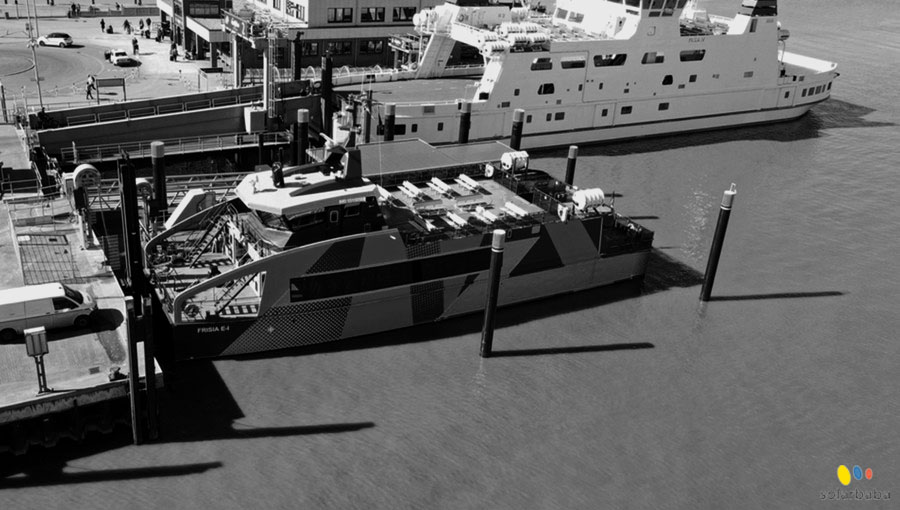




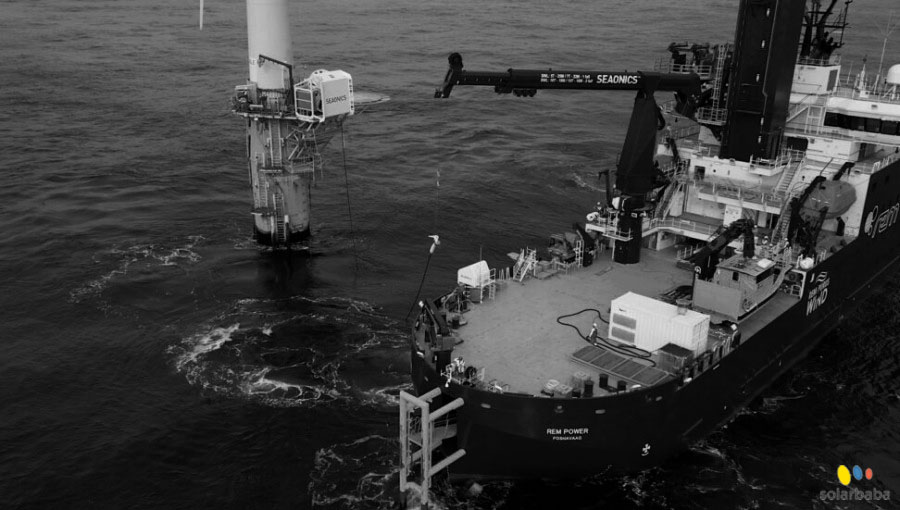
A groundbreaking technology known as the “Ocean Charger” project has introduced a magnetic charging system that enables electric vessels to recharge at sea without physical contact. Developed under the leadership of Vard and SINTEF, the solution allows service vessels operating around offshore wind farms to replenish their batteries without returning to port. Designed to withstand the harsh marine environment, including corrosion and wear, this plug-and-play inductive charging technology enhances operational efficiency while supporting the maritime industry’s transition toward zero-emission transport.
One of the biggest challenges for charging electric ships offshore saltwater, waves, and constant movement is addressed through magnetic field technology. Unlike conventional wired systems, the new inductive power transfer solution eliminates the need for metal contact and offers a process as simple and intuitive as placing a cup into a holder. Energy is transferred continuously through magnetic interaction between two waterproof and corrosion-resistant coils, ensuring reliable operation even under severe weather conditions.
According to SINTEF senior researcher Giuseppe Guidi, the system’s internal components are fully protected against external factors such as marine growth and corrosion, significantly reducing maintenance requirements and operational risks. Although the technology is currently at the prototype stage, it is expected to provide up to 5 MW of power when fully developed. At this scale, the system aims to deliver efficiency comparable to conventional electrical connections while minimizing energy losses through intelligent power management.
The innovation is expected to provide the greatest benefits for Service Operation Vessels (SOVs) and Platform Supply Vessels (PSVs) used in offshore wind farm maintenance. At present, battery-powered ships often consume a significant portion of their stored energy simply by returning to port for recharging. The ability to recharge directly from offshore wind turbines or dedicated energy hubs will extend operational time at sea while significantly reducing CO₂ emissions associated with unnecessary voyages.
Håvard Vollset Lien, Director of Research and Innovation at Vard, stated that the goal is to deploy this infrastructure along Norway’s coastline. Supported by major partners including Equinor and the University of Bergen, the project has already informed authorities that the technology is ready for commercial application. The remaining steps involve installing energy access points along maritime routes and finalizing commercial agreements to enable widespread adoption.
Source: Solarbaba – In Turkish