


The Big Picture: A Systems Perspective
The atmosphere is a system that needs balance. Achieving our climate goals is not possible by choosing one “winning” solution. It is about building a reliable and diverse set of actions.
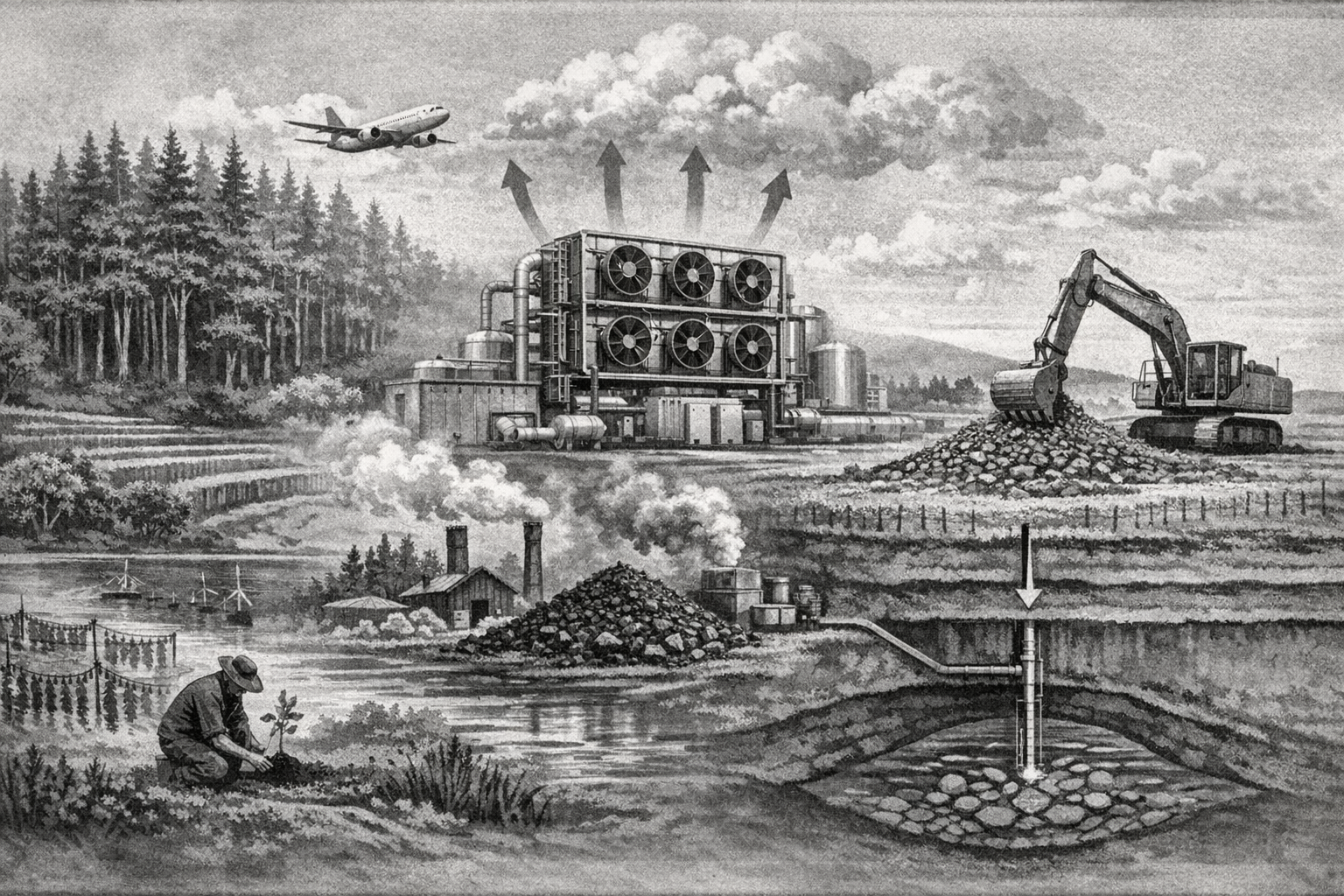
Just like a healthy forest needs different types of plants to stay strong, a healthy climate strategy needs a diverse set of climate actions including different types of carbon removals (CDR). When we talk about carbon dioxide removal, it means both nature based removals and engineered / novel CDR. Nature and technology are not separate tools in competition. They are two parts of the same solution, working together to help the planet breathe again. By connecting these dots, we can create a strategy that is both natural and robust. In CDR circles, this need is met through a portfolio approach. This means we facilitate a balanced mix of solutions to manage risks and address the different layers of our climate needs, from immediate resilience to long-term storage.
Nature as “Soft Infrastructure”
Nature-based solutions like reforestation, soil carbon, peatland restoration, and blue carbon (coastal ecosystems and oceans) are much more than simple carbon stores. They are the soft infrastructure of our planet. These systems protect communities from floods, keep our cities cool during heatwaves, provide a home for biodiversity and support the ecosystem’s capacity to regenerate.
These solutions are ready to be used right now. They help us buy valuable time while we develop and scale new technologies. Because these projects often happen in local communities, they also create jobs and protect the natural heritage of the people living there. This social layer makes nature-based removal a deeply human and interconnected solution.
Engineered Removals as “Durable Storage”
While nature provides immediate relief, we also need solutions that can store carbon for a very long time. Some emissions, especially those from fossil fuels, stay in the air for thousands of years. To balance this, we need engineered or novel removals that offer high permanence.
The Like-for-Like Principle is a rule suggesting that we should try to match permanent emissions with permanent storage.
Biochar is a beautiful example of how these two worlds connect. It uses the natural power of plants to capture carbon, but then uses a simple technology to turn that carbon into a stable form. This biochar can stay in the soil for centuries while making the land more fertile. It is a bridge between the biological and the engineered.
Designing a Finance Strategy for Impact
To support a portfolio approach which has both nature based and engineered removals, we need to move away from an “either-or” mindset. For an investor, a company with a net-zero goal, or a project developer, seeing nature and technology as complementary parts of a single portfolio is a more realistic and integral way to manage risk. In this approach, nature-based projects provide immediate returns through biodiversity and social benefits, while engineered removals provide long-term security for atmospheric cleanup. By investing in both, organizations ensure they are not relying on just one type of solution that might face future challenges. This creates a balanced return on investment where the “value” is measured not just in carbon units, but in the resilience of the whole system. Financial practices like advance market commitments or portfolio-based funds are already making this possible, allowing capital to flow where it is needed most at the right time.
Market Evolution as a Shared Learning Journey
As finance begins to flow into these specialized roles, our market rules are evolving to create clear ground rules. Organizations like the Science Based Targets initiative (SBTi) and the EU are building standards such as EU Carbon Removals and Carbon Farming Regulation (CRCF) to help us understand the specific contributions of nature and technology. These rules act as a guide, ensuring that every climate action is valued correctly within the whole system.
With these ground rules in place, we can look toward the future with clearer expectations, using models like the S-curve deployment trajectory from the RMI report prepared in collaboration with the Bezos Earth Fund, Scaling Technological Greenhouse Gas Removal: A Global Roadmap to 2050. This trajectory at the figure 6 from the report below, shows how different removal methods are expected to move from early development into a phase of rapid growth. It indicates that as we build and use these tools more, the costs are expected to drop, similar to what we have seen with solar and wind energy.
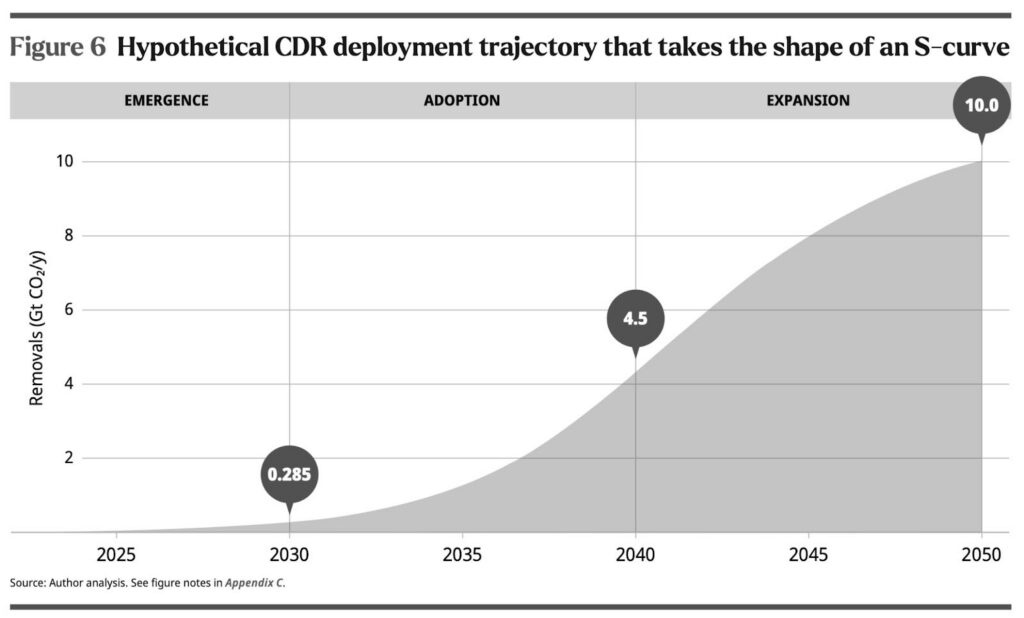
RMI: Scaling Technological Greenhouse Gas Removal: A Global Roadmap to 2050
By gaining experience and building these tools today, we are preparing for the steep scale-up needed to meet our goals. Enabling these technologies now, alongside our immediate nature-based actions, facilitates a path toward a balanced and affordable system for 2050.
Conclusion: Facilitating Potential
Moving from a mindset of competition to one of synergy is the key to a successful climate strategy. When we restore a wetland, we are not just sequestering carbon; we are building a more resilient environment that helps all our other climate actions succeed. The role of policy, finance, and community action is to enable both nature-based and technological removals to grow together. By designing this multi-layered approach today, we are moving away from “fixing a problem” fragmented mindset towards a better, interconnected system for the future.