

Residential battery systems are evolving from simple energy storage devices into active components of the electricity grid. In the past, homeowners with solar panels could reduce their electricity costs by selling excess power back to the grid. However, resistance from grid operators to this one-way flow and changing market conditions have increased interest in residential energy storage solutions. According to the U.S. Energy Information Administration, battery installations reached record levels in the first quarter of 2026, providing protection against rising electricity costs while also playing a critical role in maintaining grid stability through virtual power plants.
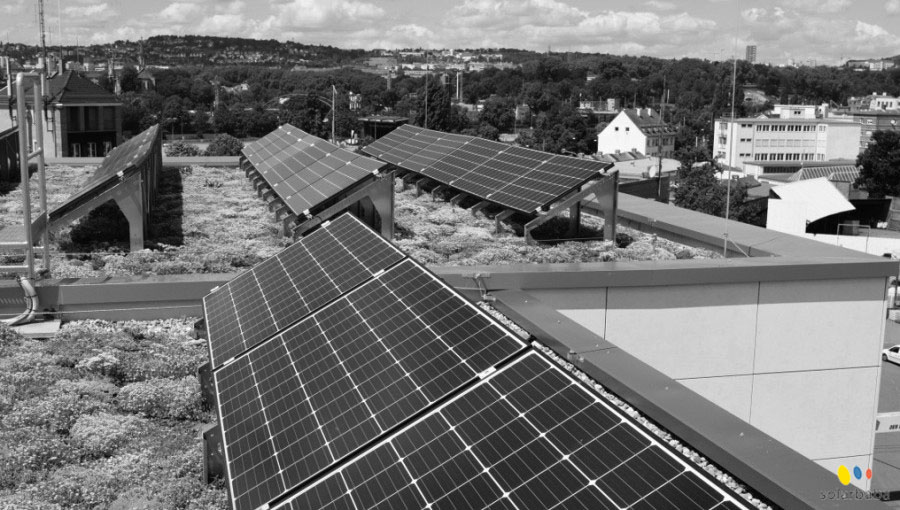
In the past, under net metering systems, solar homeowners could sell excess electricity to the grid and recover the cost of their systems relatively quickly. However, grid operators increasingly opposed this model because of the surplus electricity generated during midday solar peaks. Today, homeowners can store the electricity generated during the day in batteries and use it after sunset, reducing their dependence on the grid. Battery installations are expanding rapidly, particularly in states such as California, Hawaii, Texas, and Arizona, supported by government incentives.
One of the most significant developments in this sector is the creation of virtual power plants (VPPs), which combine thousands of residential batteries into a coordinated energy resource. These systems are managed through centralized software to respond to sudden increases in grid demand. For example, VPP capacity increased by 153% in 2025. Companies such as Sunrun, Renew Home, and Tesla have combined hundreds of thousands of batteries, reaching a capacity capable of providing more power than a large natural gas power plant. This technology is also increasingly viewed as a potential solution for meeting the growing energy demand of AI data centers.
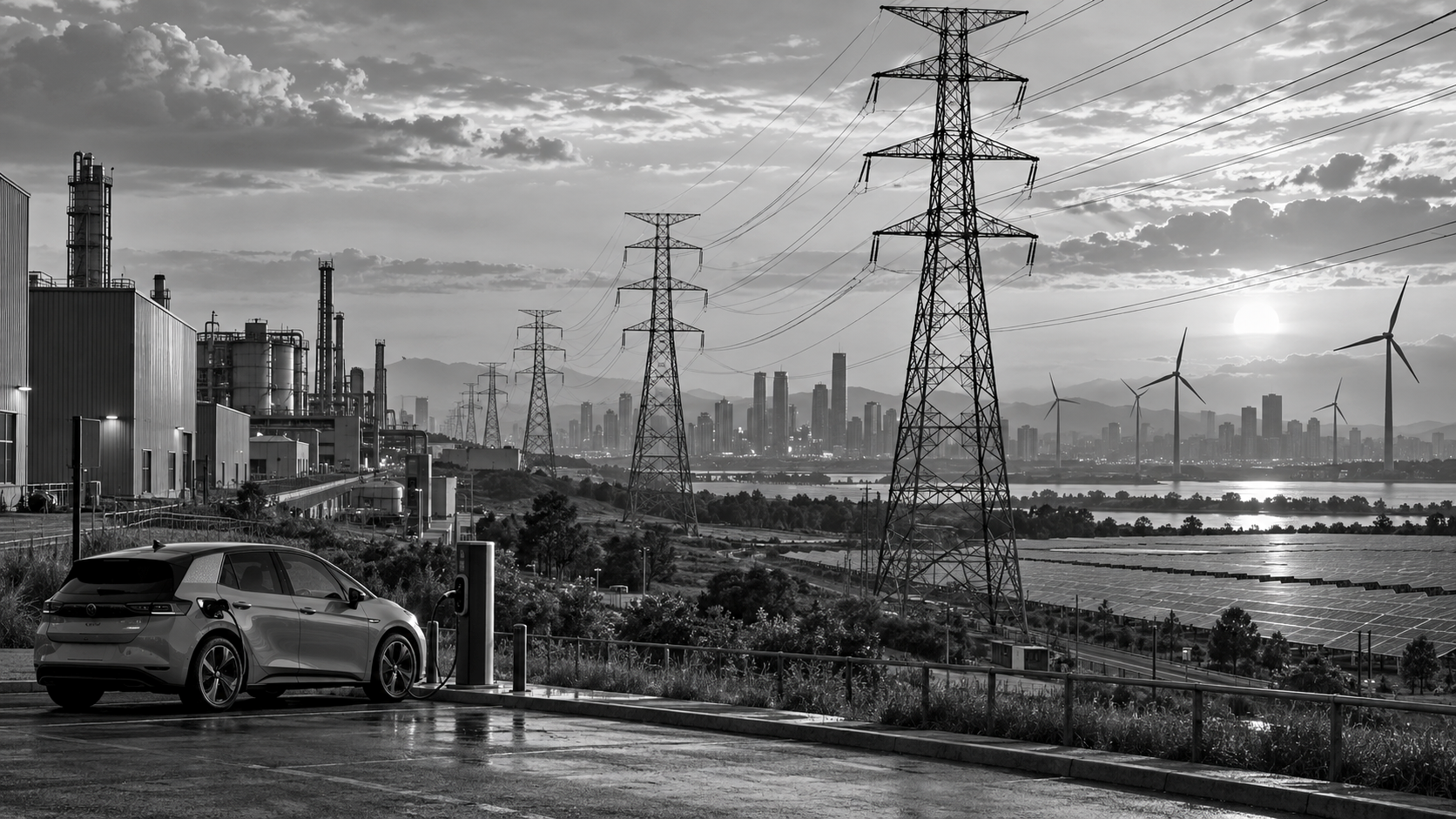
Virtual power plants offer more than cost savings; they can also reduce carbon emissions and provide environmental benefits. According to a report published by Ember, utility-scale battery projects can be built faster than new natural gas power plants and have an 87% lower carbon footprint. Similarly, residential batteries can discharge during periods of high grid demand, helping households significantly reduce their CO2 emissions.
Different models are being implemented around the world. In Germany, companies such as Octopus Energy are using electric vehicle batteries as grid-balancing resources while offering incentives such as free driving to participating customers. However, the expansion of these systems also presents challenges. Frequent battery use can shorten battery lifespans, while reduced user control over energy management and high upfront investment costs remain obstacles. Nevertheless, experts expect residential batteries to become central to a “battery revolution” that could fundamentally transform electricity markets as regulatory frameworks continue to improve.
Source: Solarbaba – In Turkish